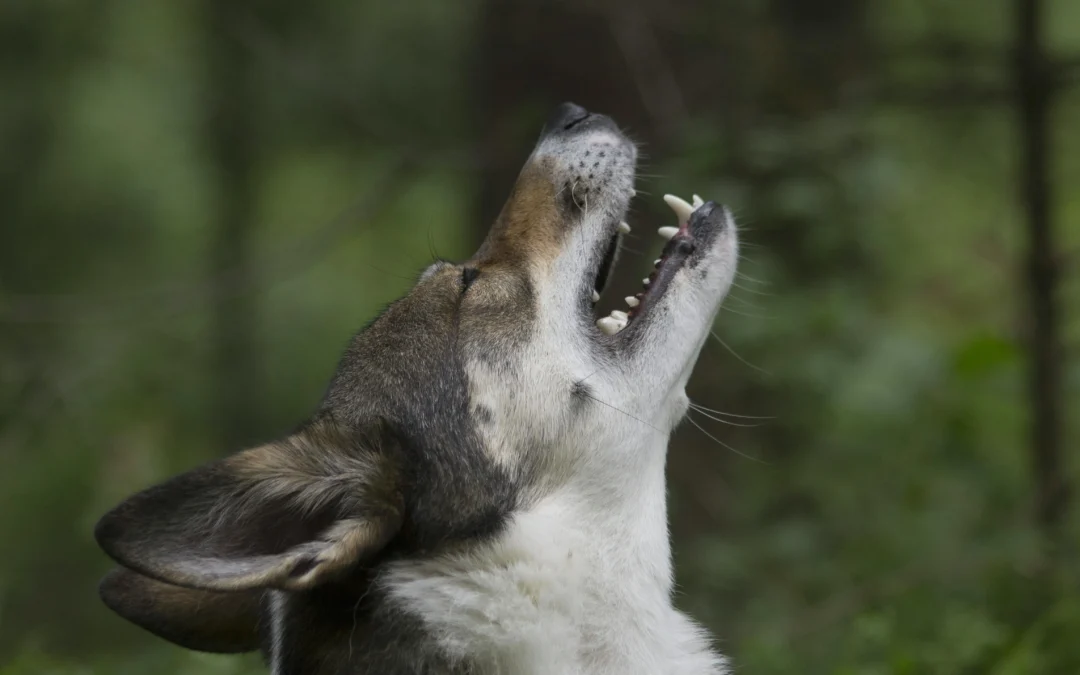
Your dog’s attitude is the combination of their inborn temperament, learned behavioral patterns, and moment-to-moment emotional responses. Understanding it helps you respond with clarity instead of frustration. Whether your dog is sassy, shy, or somewhere in between, their behavior is always a form of communication. This article walks you through what drives dog attitude, how to read the signals, and what you can do to support your dog at every stage. If you are looking for a place where that support is built into every day, DogPlay’s doggy daycare in Vancouver is designed exactly for that.
What Is Dog Attitude, Really?

Think of it this way: people have a base personality and daily moods that shift depending on stress, sleep, or circumstance. Dogs work the same way. Their underlying temperament is relatively stable, but a more reactive behavioral layer sits on top of it, and that layer responds to everything happening around them. That layered combination is what most of us mean when we talk about dog attitude, and individual dog personalities vary far more widely than most owners expect.
A naturally easygoing dog might still bark excessively on a stressful afternoon. A typically shy dog might surprise you with confidence in a familiar setting.
The key distinction is that attitude is not defiance. When your dog ignores a command or gets the zoomies at the worst possible moment, they are communicating something about their internal state. The next section breaks down what those specific behaviors are actually saying.
Common Dog Behaviors and What They Actually Mean

Most dogs show behavioral patterns that carry clear meaning once you know what to look for. According to Texas A&M University, more than 99% of dogs in the United States show potentially problematic behaviors. That statistic matters because it tells us the behaviors in the table below are not outliers — they are the everyday reality of living with a dog.
Here is a quick reference for common canine behavior signals:
| Behavior | What It Usually Means |
| Tail held high and stiff | Alertness or potential agitation |
| Tail low with a soft wag | Submission or nervousness |
| Ears pinned back | Fear, anxiety, or appeasement |
| Loose, wiggly body posture | Comfort and friendliness |
| Zoomies | Joy release and excess energy |
| Paw licking | Stress, boredom, or irritation |
| Refusing a familiar command | Overstimulation, not stubbornness |
| Growling | Communication of discomfort or a warning — not aggression by default |
Paw licking, for instance, is often dismissed as grooming but can signal stress or irritation. If it happens frequently, it is worth reading more about what drives this behavior.
Why Dogs Develop Their Unique Personality Traits

Dog personality traits come from three overlapping sources: genetics and breed tendencies, early socialization, and environment.
Breed influences general behavioral defaults. If you are drawn to breeds that tend toward calmer temperaments, our low-maintenance dog breeds guide breaks down what to expect from some of the most popular choices. But within any breed, two dogs from the same litter can have completely different personalities.
The period between three and twelve weeks of age is widely recognized as the most critical window for shaping long-term behavioral tendencies. The RSPCA emphasizes that dogs exposed to diverse people, sounds, and environments during this early socialization window typically develop more adaptable, confident attitudes. A herding breed raised in a quiet, low-stimulation apartment, for example, may develop anxious or restless behavioral tendencies simply because their environment did not match their wiring.
How a dog is raised and responded to daily also matters significantly. Dogs raised with consistency and positive reinforcement tend to show more stable, readable behavior over time.
How Socialization Shapes a Dog’s Attitude Over Time
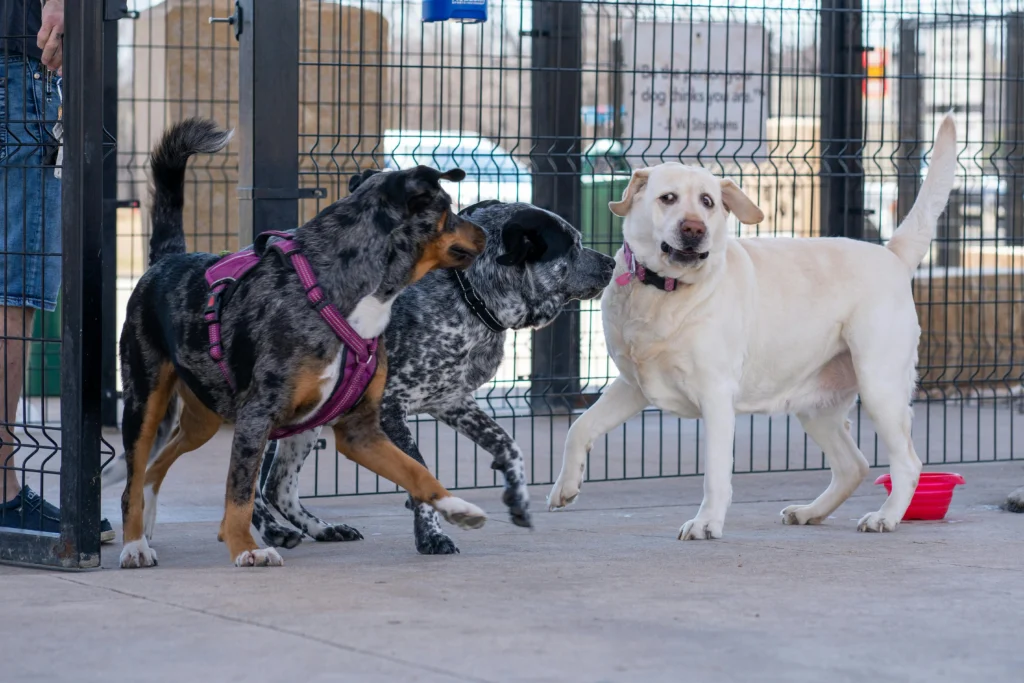
Dog attitude is not fixed, and that is one of the most hopeful things to understand about canine behavior. With the right environment, it genuinely changes.
Healthy socialization means exposure to new dogs, people, environments, and routines in a low-stress, positive way. The Cornell University College of Veterinary Medicine is clear on this: good trainers use positive reinforcement to encourage desired behaviors, and punitive methods are counterproductive.
DogPlay sees this play out regularly. Dogs that arrive hesitant and uncertain on their first visits often show measurable attitude shifts within weeks of consistent, structured socialization with trained staff. What staff observe over time is a dog that begins to read their environment as safe, and that sense of safety is what allows confident, settled behavior to take hold. That kind of change is exactly what professional doggy daycare in Vancouver is designed to support.
Reading Your Dog’s Attitude Before Problems Develop
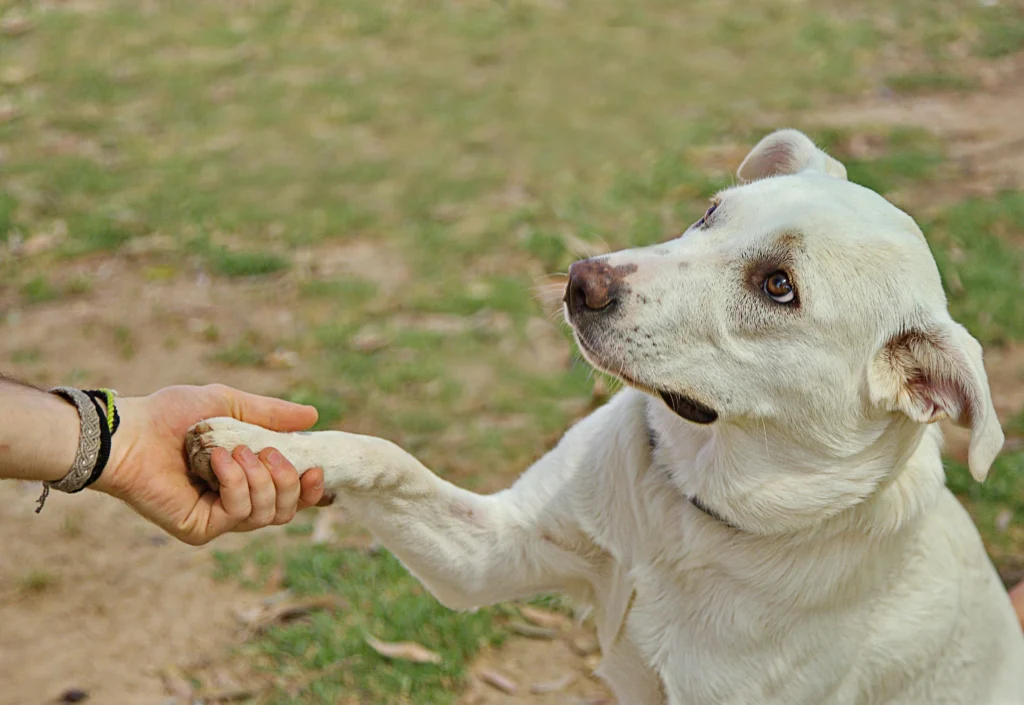
Catching dog behavior issues early is far easier than addressing them after they become entrenched. Most owners focus on behavior after it becomes a problem, but proactive monitoring is the skill that makes the biggest difference. Understanding what dog behaviors mean in context is what separates a reactive owner from a responsive one.
Three early warning signs owners often miss:
- Subtle appetite changes without a clear reason can signal anxiety before any other sign appears.
- Unusual clinginess or withdrawal in a typically independent or social dog points to emotional drift.
- Disproportionate reactions to familiar triggers suggest that something in their internal baseline has shifted.
The most practical step any owner can take is learning what normal looks like for their specific dog. A simple weekly two-minute check-in using the body language cues covered earlier gives you a reliable reference point. When you know your dog’s behavioral baseline, you will notice small changes long before they become serious. If you want support building that kind of structured routine, DogPlay’s boarding and daycare services give your dog consistent, professional care every single day of the year.
Reading dog attitude is not about achieving perfect obedience. It is about building a relationship where both of you can communicate clearly and feel understood.
When Understanding Your Dog’s Attitude Changes Everything

Every behavior your dog shows is a message. Once you learn to read those messages, frustration gives way to clarity, and clarity makes space for a much better relationship.
If your dog’s attitude could use a reset, structured socialization is one of the most effective tools available. DogPlay’s professional handlers are all FetchFind Certified and Canine First Aid trained, and the facility is open 365 days a year with daycare, boarding, and grooming all under one fully indoor, climate-controlled roof. Stop by DogPlay in Vancouver and see the environment firsthand, or reach out at [email protected].
FAQs About Dog Attitude

Can a dog’s attitude change over time?
Yes. While core temperament is relatively stable, behavioral patterns shaped by socialization, environment, and routine can absolutely shift. Dogs that receive consistent, positive, structured socialization often show significant attitude improvements, even in adulthood.
Is my dog being dominant or just communicating?
Most behaviors that owners read as dominance are actually communication signals rooted in anxiety, overstimulation, or unclear expectations. Understanding the specific behavior and its context gives you a much more accurate read than applying a dominance framework.
What are the biggest signs that my dog’s attitude needs attention?
Subtle appetite changes, unusual clinginess or withdrawal, and disproportionate reactions to familiar triggers are three early warning signs that something has shifted in your dog’s emotional baseline. Catching these early makes them much easier to address.
FAQs About DogPlay
What services does DogPlay offer?
DogPlay offers doggy daycare, boarding, and grooming, all under one fully indoor, climate-controlled roof. The facility is open 365 days a year, and dogs are never left alone.
What makes DogPlay different from other dog care facilities?
Every staff member at DogPlay is FetchFind Certified and trained in Canine First Aid. The team genuinely loves dogs, and that care shows in how the facility is run. DogPlay was built after previous ownership challenges made clear that trust and professional standards had to be the foundation of everything.