
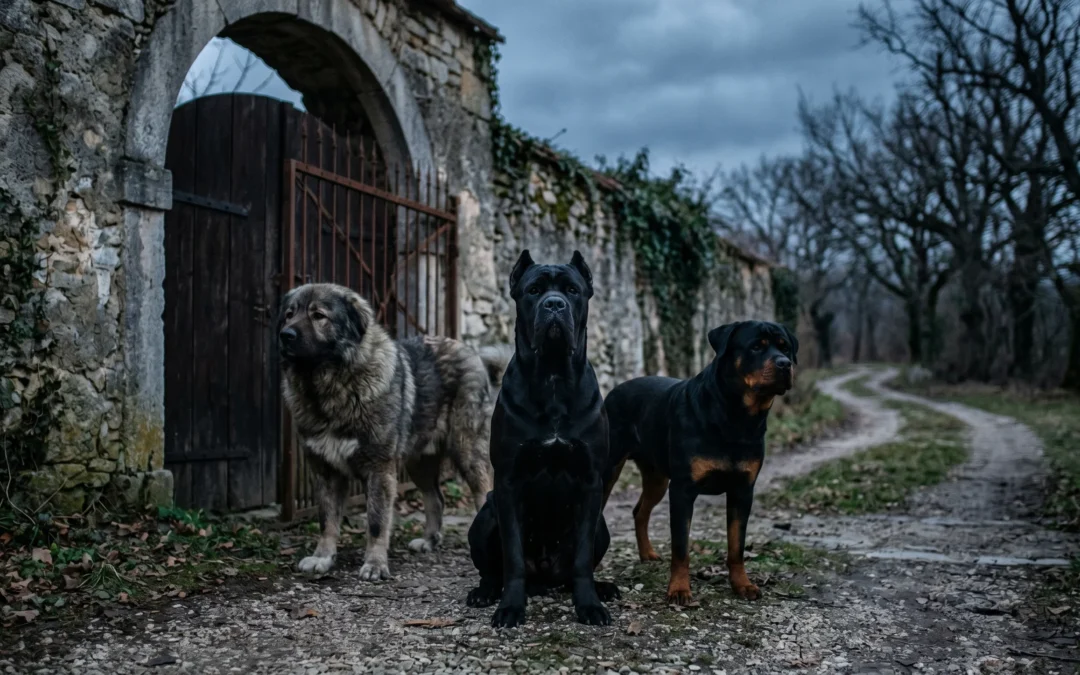
The most feared dog breeds have earned their reputations through data, legislation, and real incidents, but dangerous is rarely a simple word. Physical capability, breeding history, and individual temperament all shape risk, and so does the quality of care a dog receives every day. If you share your home with one of these breeds, spending time around other well-managed dogs in a well-run, structured daycare environment is one of the most practical steps you can take for their long-term behaviour.
Key Takeaways
- Breed alone is a poor predictor of individual behaviour
- Early socialisation, consistent training, and owner commitment shape outcomes more than genetics
- Several of the most feared breeds are among the world’s most trusted working and therapy dogs
- Breed-specific legislation is widely contested by animal welfare organisations across North America
Why Some Dog Breeds Have a Ferocious Reputation
This list is built from three consistent sources: fatal attack data, bite force research, and restricted breed legislation across multiple countries. These are the dogs that insurance companies flag, that municipalities have banned, and that news coverage has treated as inherently dangerous. Physical capability, breeding purpose, and environment all factor into whether a dog poses genuine risk.
1. Pit Bull Terrier
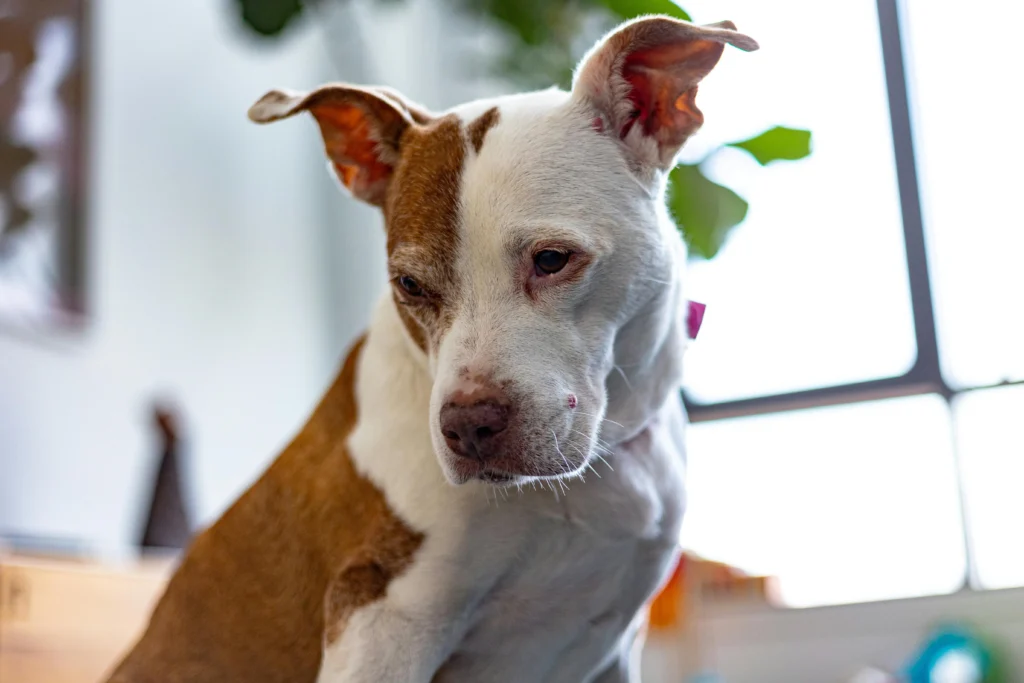
Originally bred for bull-baiting and later dogfighting, Pit Bulls were selected over generations for physical tenacity, jaw strength, and high pain tolerance. CDC data has historically placed Pit Bull-type dogs among breeds most frequently involved in fatal attacks in the United States. The critical complication is breed misidentification: studies show that visual breed identification by trained professionals is wrong up to 87% of the time, which significantly inflates the numbers attributed to this group.
2. Rottweiler
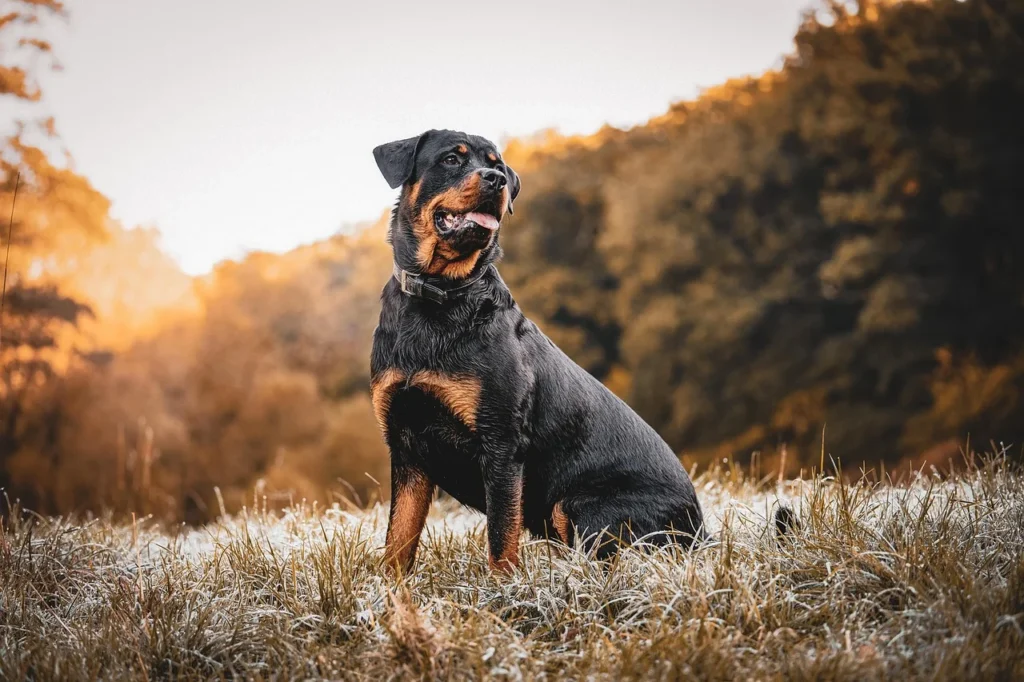
With a bite force measured at approximately 328 PSI and a territorial nature that runs deep, a poorly socialised Rottweiler can cause serious harm quickly. Rottweilers rank second only to Pit Bull-type dogs in most U.S. fatal attack data, and several countries including Portugal and Ireland have placed ownership restrictions on the breed. Away from those statistics, Rottweilers are widely used in police K9 units, search and rescue, and guide dog programmes, and they respond exceptionally well to firm, consistent, reward-based training.
3. German Shepherd
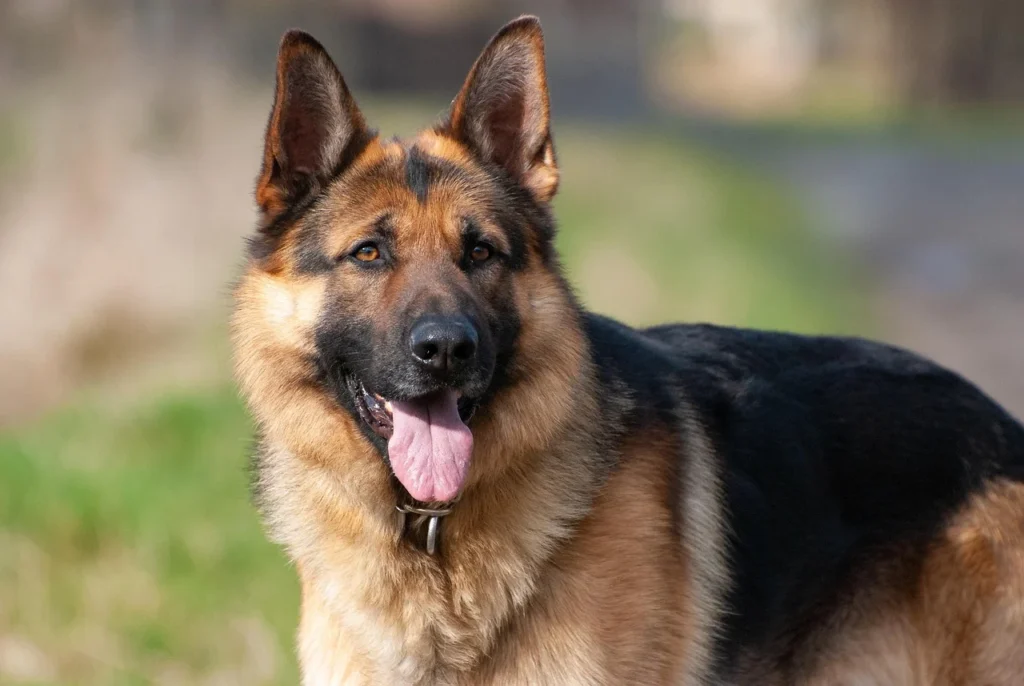
German Shepherds appear on lists of the most aggressive dogs worldwide partly because of their population size. With a bite force around 238 PSI and a strong instinct to protect, they account for a significant proportion of bite incidents simply because they are one of the most common breeds in North America. Police departments and military units worldwide continue to rely on them precisely because their drive channels so effectively with the right training and clear leadership.
4. Doberman Pinscher
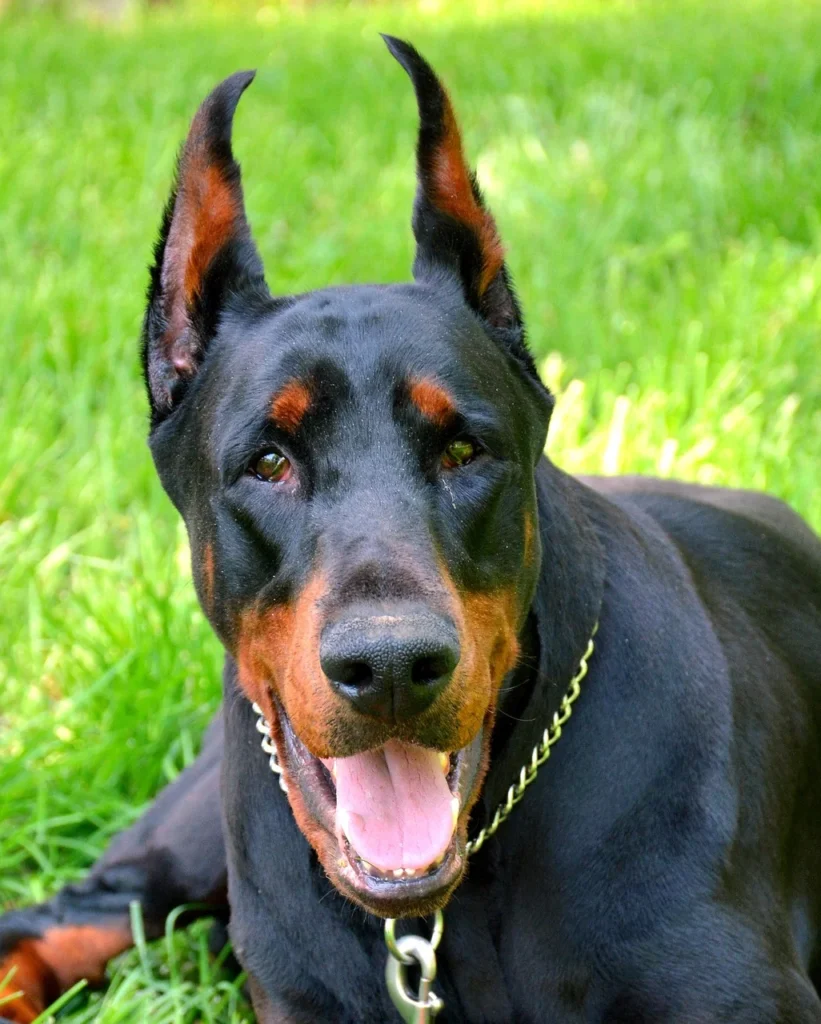
The Doberman was deliberately bred in the late 1800s to protect a German tax collector working dangerous routes, and every generation since has refined those protective traits. Their speed and instinct to guard mean a response can happen before an owner even registers a threat. With consistent positive reinforcement and experienced ownership, Dobermans are affectionate, loyal, and deeply responsive companions.
5. Siberian Husky
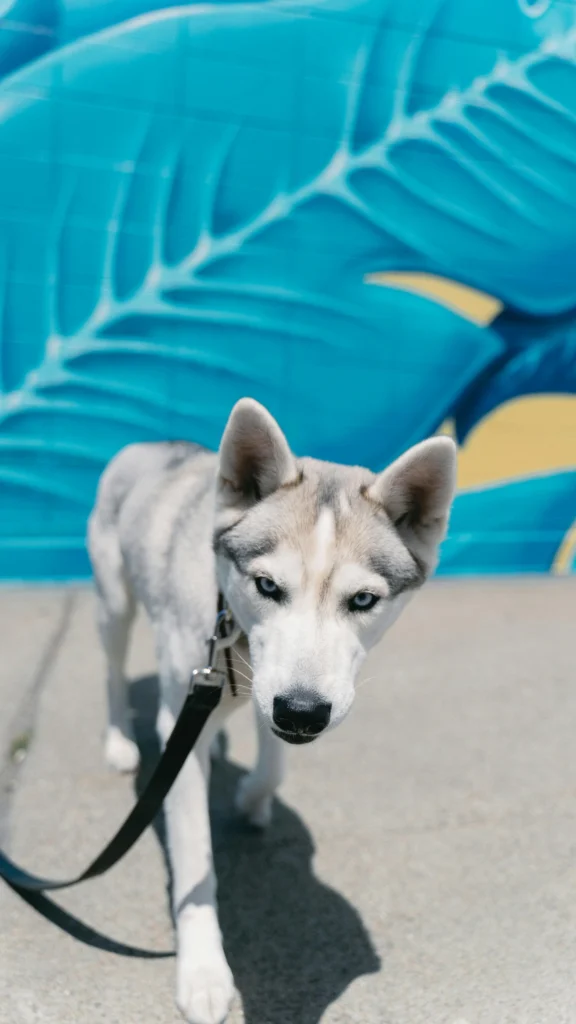
Huskies appear in fatal attack statistics at rates that genuinely surprise most people. The core issue is prey drive: bred to run long distances and work independently, that instinct pairs with a strong chase response that can trigger unpredictably around small children or other animals. Under-exercised, under-stimulated Huskies present a meaningfully higher risk than those with structured daily outlets.
6. Alaskan Malamute
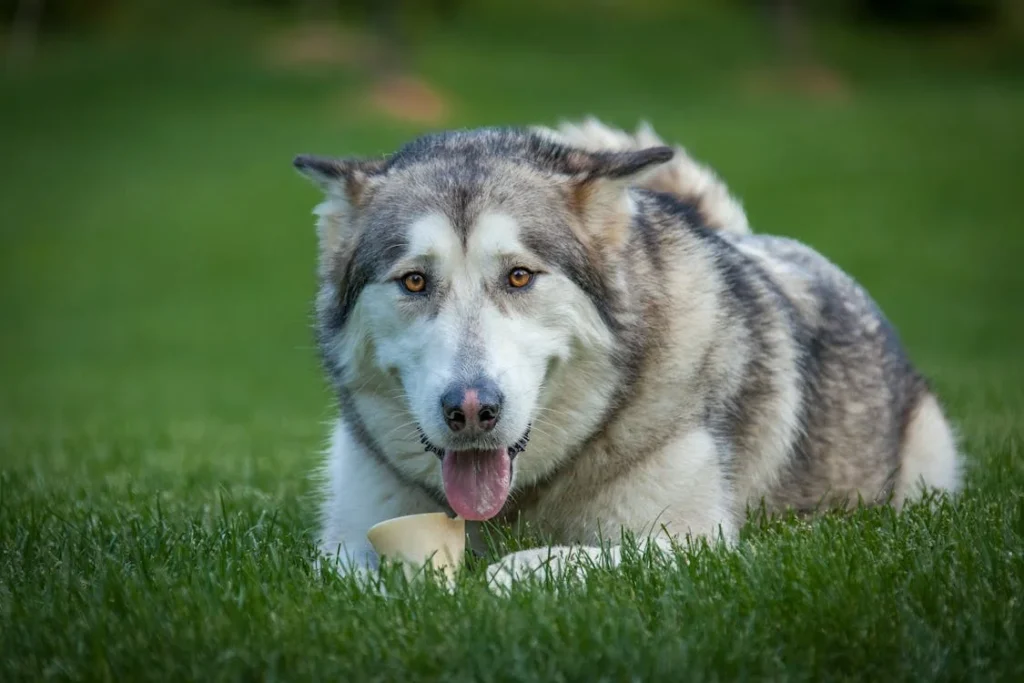
Malamutes were bred to make independent decisions in harsh Arctic conditions, and that independence does not switch off in a domestic setting. Their physical mass means even well-intentioned play can cause serious injury to a small child. They need owners who actively understand and manage a working dog’s deep instincts rather than relying on containment alone.
7. Chow Chow
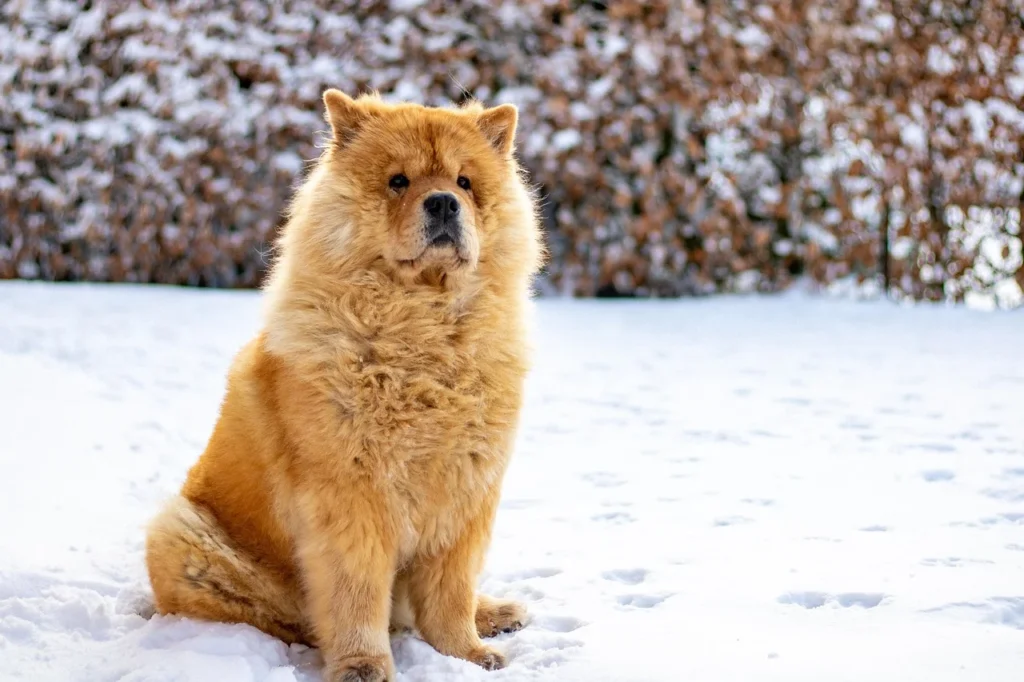
One of the oldest breeds in existence, the Chow Chow’s reputation for unpredictability comes from a pattern that repeatedly catches owners off guard: they often skip the warning signals most dogs display before biting. That tendency, combined with documented same-sex dog aggression and stubbornness around unfamiliar adults, makes them a genuinely poor match for inexperienced dog owners.
8. Akita
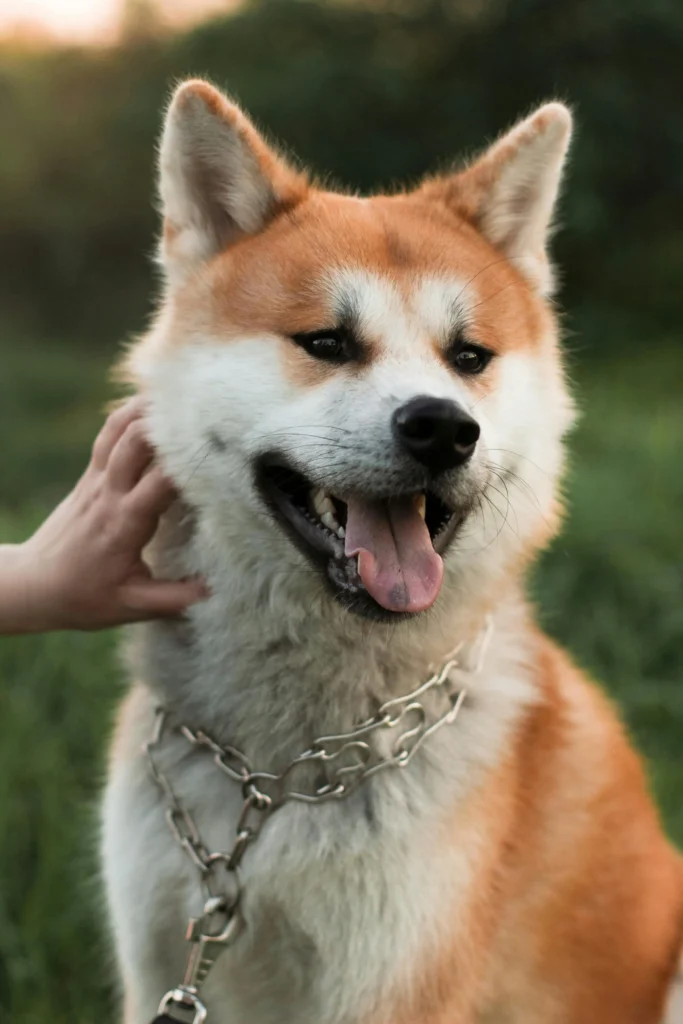
Originally bred in Japan to track and hold bears, the Akita’s inter-dog aggression is among the most consistently reported of any breed. Their extraordinary loyalty to family comes with a possessive intensity that requires experienced, consistent ownership and ongoing socialisation throughout the dog’s life.
9. Wolf Hybrid
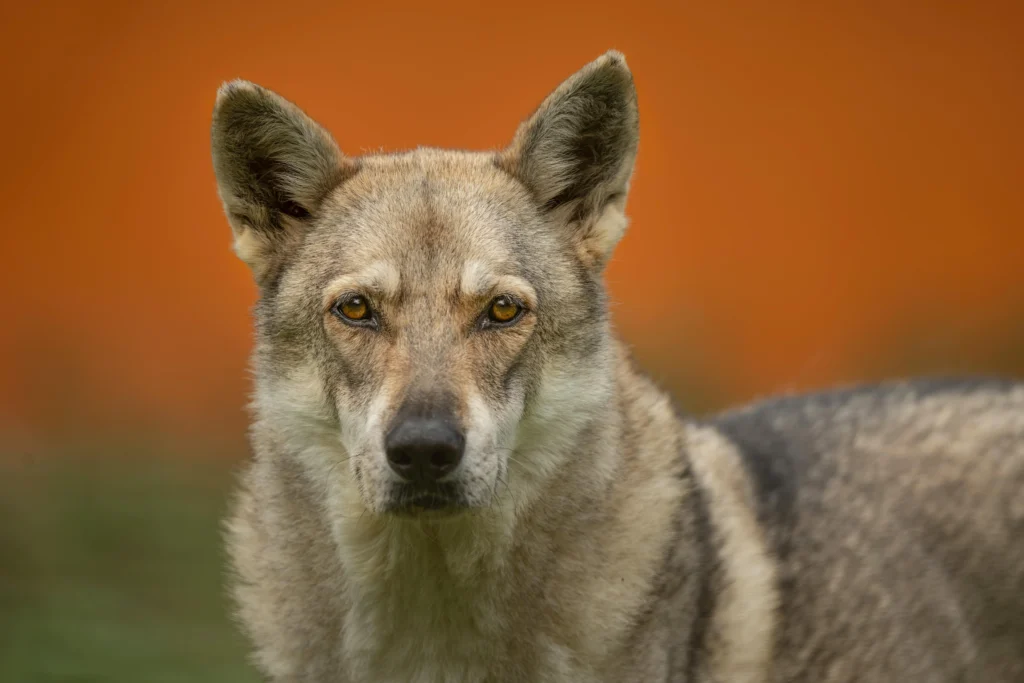
A Wolf Hybrid crosses a domestic dog with a grey wolf, and the higher the wolf content, the less predictable the behaviour. Wild instincts including prey drive and fear-biting remain much closer to the surface than in any domestic breed. Wolf Hybrids are illegal in numerous U.S. states and several Canadian provinces, and their per-capita involvement in fatal attack statistics is remarkably high relative to their low population numbers.
10. Cane Corso
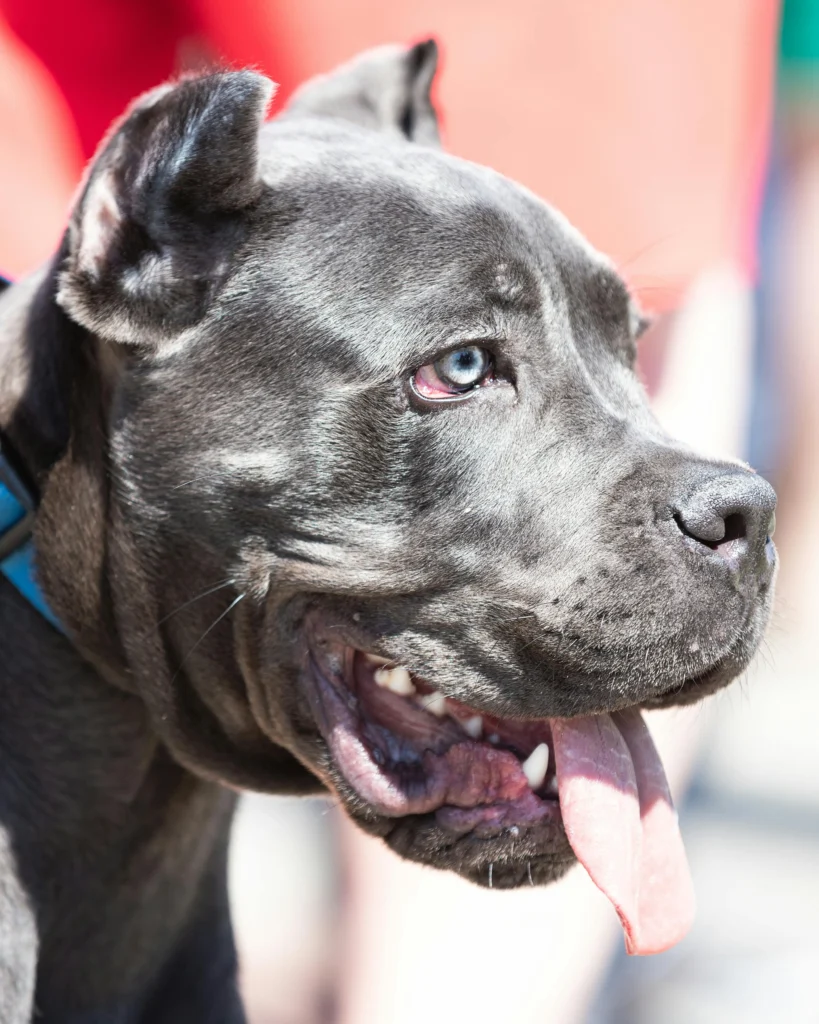
Descended from a Roman war dog, the Cane Corso is a dominant breed that requires confident, experienced ownership. Males regularly exceed 110 lbs and their guarding instinct is deeply hardwired. The recent surge in popularity has placed many Cane Corsos with owners who are not equipped to manage them, and incident rates have risen alongside it.
What the Research Actually Says About Most Feared Dog Breeds
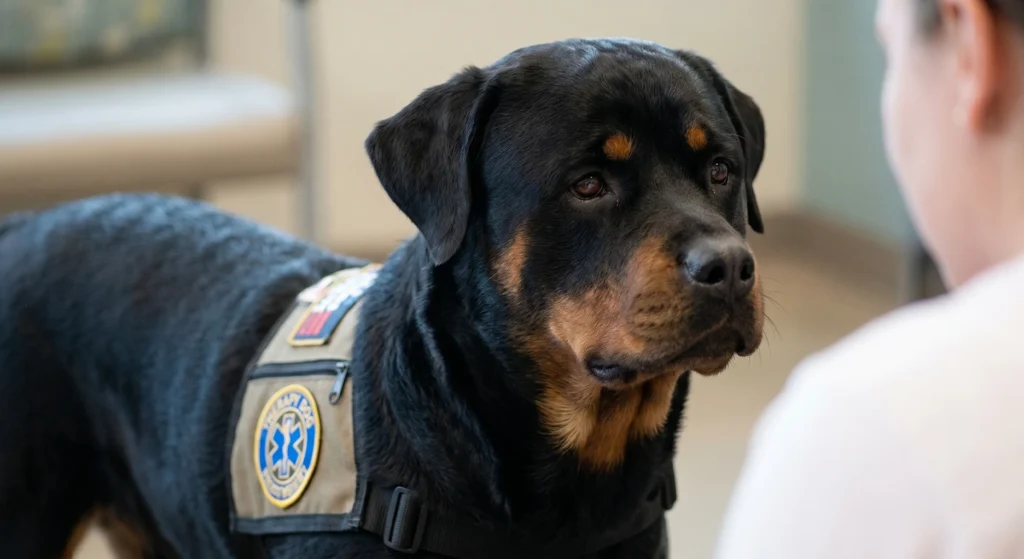
Breed is one factor in dog aggression, not the only one. Research in animal behaviour consistently finds that five variables shape outcome: genetics and breed tendencies, early socialisation, training quality and consistency, owner behaviour, and history of abuse or trauma. The same genetic line can produce a therapy dog or a dangerous animal depending on how those variables play out.
The Socialisation Window
The developmental window between three and 14 weeks is critical. Dogs that receive positive exposure to a wide range of people, animals, and environments during this period develop significantly more stable temperaments. Missing this window does not make a dog unsalvageable, but it makes behaviour management considerably harder later in life. For high-drive breeds, the enrichment and consistent social exposure that comes with regular daycare continues to make a measurable difference well beyond puppyhood.
Practical Steps for Owners of Powerful Breeds
Structured daily exercise, consistent positive reinforcement, and professional socialisation form the foundation for managing high-drive breeds safely. Passive containment is not enough for dogs bred to work, protect, or run. A daily programme led by handlers with recognised training certifications gives high-drive dogs the mental engagement and consistent structure that actually reduces behavioural risk over time.
Breed Restrictions and Legal Considerations
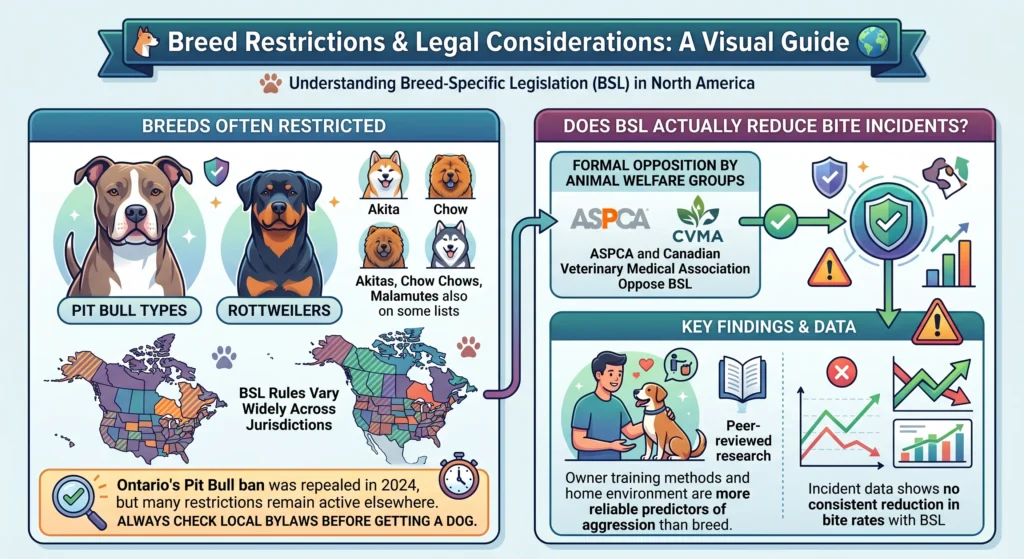
Breed-specific legislation (BSL) restricts or bans ownership of particular breeds based on physical characteristics, and the rules vary widely across North America.
Which Breeds Face the Most Restrictions?
Pit Bull-type dogs and Rottweilers face the broadest restrictions, but Akitas, Chow Chows, and Malamutes also appear on prohibited lists in some jurisdictions. Ontario’s Pit Bull ban was repealed in 2024, but other provinces and U.S. states maintain active restrictions. Checking your specific municipality’s bylaws before bringing any breed from this list home is essential.
Does BSL Actually Reduce Bite Incidents?
Animal welfare organisations including the ASPCA and the Canadian Veterinary Medical Association have formally opposed BSL, a position backed by peer-reviewed findings that owner training methods and home environment predict aggression more reliably than breed. Incident data from jurisdictions with and without breed bans has not demonstrated a consistent reduction in bite rates.
Every Dog Deserves to Be Understood
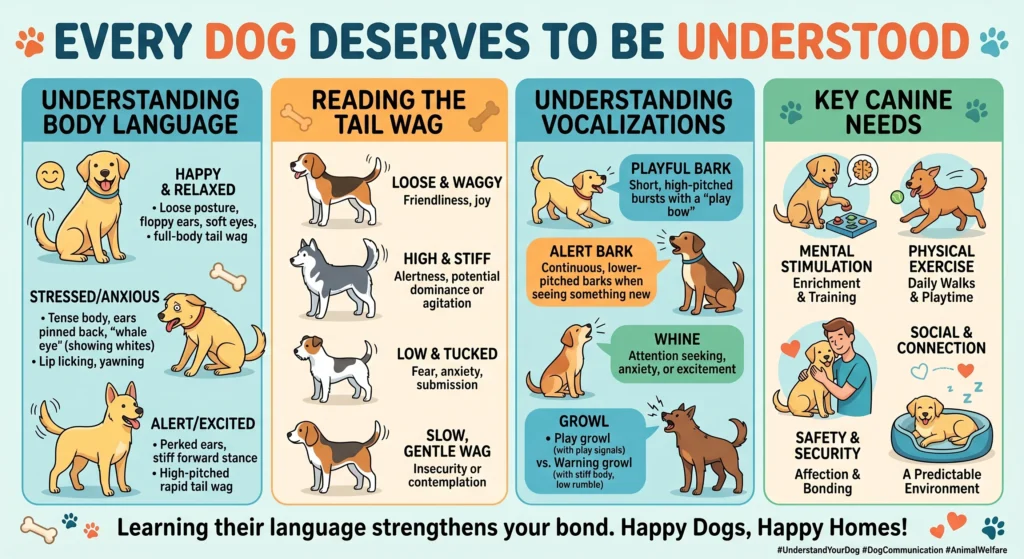
The most feared dog breeds are not feared without reason. Their capabilities are real, their histories are complicated, and the responsibility that comes with owning them is significant. The evidence consistently points toward environment, training, and owner commitment as the variables that matter most.
If you have a powerful breed in Vancouver and want them to thrive socially and behaviourally, DogPlay’s trained team offers the structured daily care these dogs genuinely need. As a trusted dog daycare in Vancouver open 365 days a year, every dog is assessed individually and welcomed on their own merits. Overnight stays for dogs whose owners travel are available for any dog who has completed a trial day, with a trained handler sleeping on-site every single night. Create an account to get your dog started and book their trial day today.