Quick Summary of Canadian Dog Breeds
- Canada is home to four living Canadian dog breeds and two extinct ones, each shaped by climate, geography, and Indigenous traditions.
- Living breeds like the Newfoundland, Labrador Retriever, Nova Scotia Duck Tolling Retriever, and Canadian Inuit Dog were developed for demanding tasks such as rescue work, retrieving, and Arctic travel.
- Extinct breeds—including the Tahltan Bear Dog and Salish Woolly Dog—played vital roles in hunting and weaving within Indigenous communities.
- These dogs carry traits rooted in their history: endurance, loyalty, intelligence, and strong working instincts.
- Understanding where these breeds come from helps dog parents better meet their dogs’ needs in modern family life.
Canada’s landscape shaped some of the most fascinating dogs in the world, yet many dog parents don’t realize how much history lives behind today’s Canadian dog breeds. Understanding their origins helps dog parents appreciate why certain traits still show up in their dogs today: stamina, patience, loyalty, and an instinct to work.
For dog parents juggling work or travel, having the right support system matters. That’s where DogPlay comes in. As a trusted dog daycare, boarding, and grooming facility open 365 days a year, DogPlay helps keep pups enriched, socialized, and cared for with trained staff on-site around the clock. If you’re in Vancouver or Richmond and want reliable care for your dog, DogPlay is ready to help with trusted dog boarding Vancouver pet parents rely on.
What Makes a Dog Breed “Canadian”?
Breeds become “Canadian” not just because of geography but because their development reflects Canada’s climate, working traditions, and Indigenous heritage. Many Indigenous Canadian dog breeds emerged thousands of years before kennel clubs existed, bred intentionally for survival tasks like sled pulling, hunting, retrieving, or providing warmth and protection.
Climate shaped these dogs heavily. Arctic regions produced durable, enduring working dogs, while Atlantic environments created strong swimmers and weather-resistant retrievers. Even extinct breeds tell part of the story: weaving, hunting, and transportation shaped how early peoples intentionally selected for traits that would support their families and communities.
This historical context helps today’s dog parents understand why many Canadian breed dogs have high energy levels, thick coats, or a natural drive to work alongside humans.
Newfoundland Dog
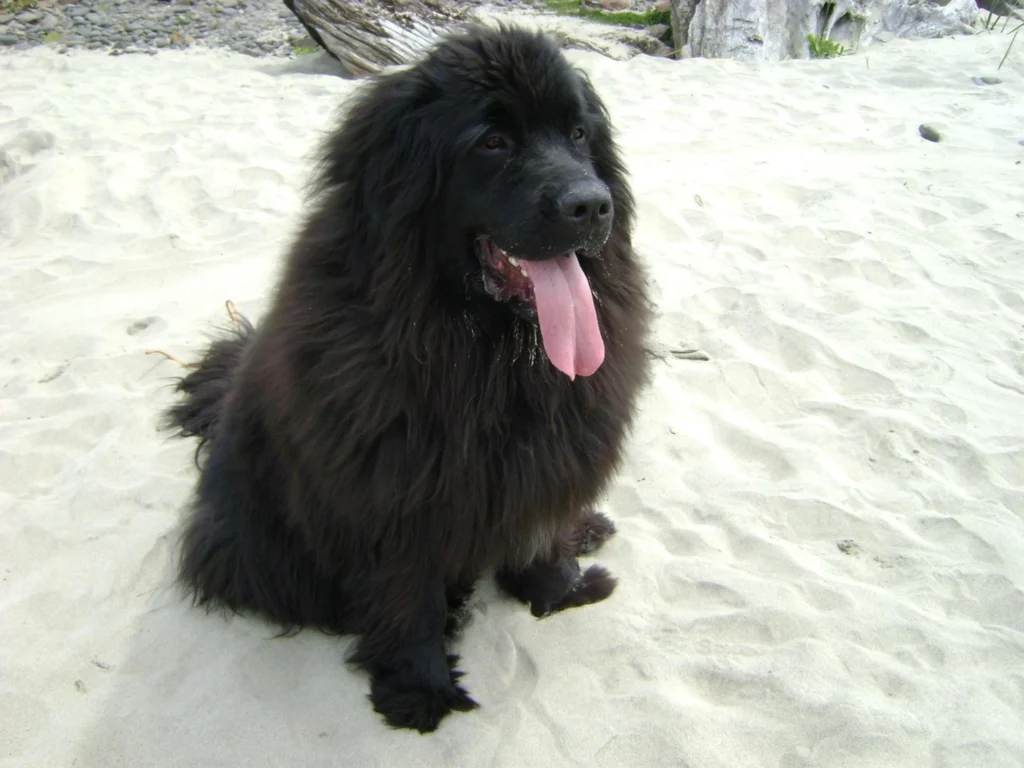
The Newfoundland dog breed is known for its strength, gentle nature, and powerful swimming ability. Historically, these dogs worked alongside fishers on the Atlantic coast, pulling in nets, hauling carts, and performing water rescues. Their thick, somewhat oily double coat is more than a defining feature, it performed crucial work by keeping them warm in frigid water. Despite their size, Newfoundlands are famously calm and patient, making them wonderful companions for families who enjoy a relaxed, affectionate dog.
Their intelligence and desire to please mean they thrive with steady routines, moderate exercise, and social contact. Families living in Vancouver’s milder climate will find that these dogs adapt well as long as they’re kept cool in summer, given regular opportunities for enrichment and gentle outdoor excursions, and supported with practical dog shedding tips as part of their care routine.
Labrador Retriever
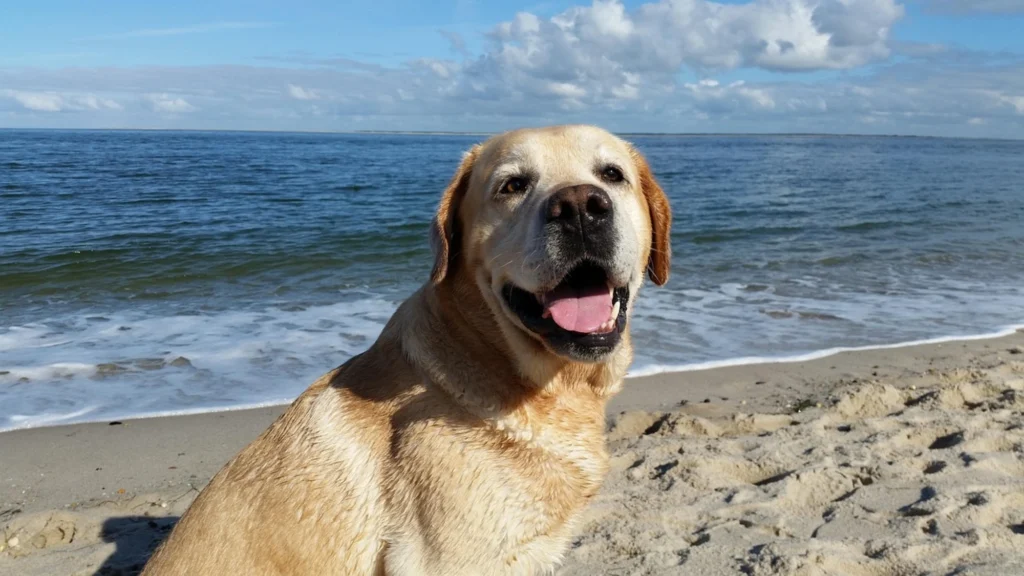
The Labrador Retriever is one of the most recognized Canadian dog breeds globally, although the breed’s refinement happened in the United Kingdom. Originating from the St. John’s Water Dog in Newfoundland, Labs were bred to retrieve fish that slipped from hooks and to assist hunters with waterfowl. Their friendly temperament, intelligence, and eagerness to work are the same qualities that make them one of the most popular companion dogs today.
Labs thrive in active households, pairing best with families who enjoy regular walks, training time, and outdoor adventures. Their short, dense coat helps protect them from cold water, and their naturally social temperament makes them adaptable to homes with children or other dogs when properly introduced. The Labrador Retriever also excels in service work, field sports, therapy roles, and search-and-rescue—proof of their remarkable versatility and trainability.
Nova Scotia Duck Tolling Retriever
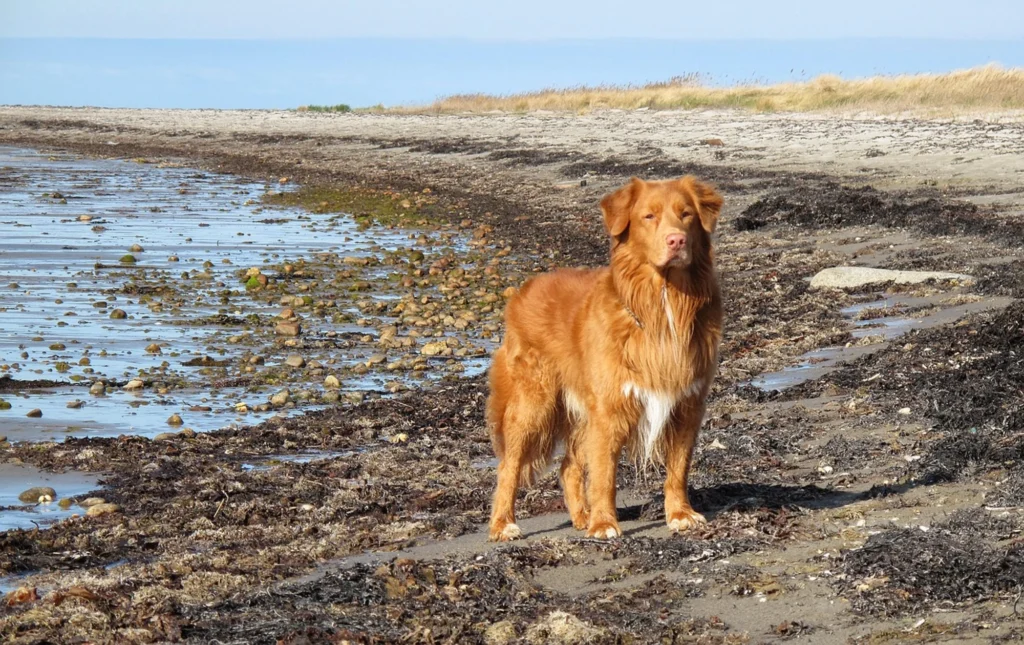
The Nova Scotia Duck Tolling Retriever is the smallest of the retriever family and one of the most unique Canadian dog breeds. Developed in Yarmouth County, Nova Scotia, Tollers were bred to “toll”—a hunting method where the dog’s energetic, fox-like movements along the shoreline attract the curiosity of ducks. Once the birds swim closer, hunters take the shot and the dog retrieves the waterfowl. This behaviour is rare in the dog world and is central to the breed’s charm.
Tollers are intelligent, energetic, and happiest when their mind is occupied. They need regular activity, puzzle games, and opportunities to run or swim. Their double coat sheds heavily twice a year and needs brushing to stay healthy. With balanced exercise and engagement, Tollers are playful, affectionate, and deeply bonded to their families.
Canadian Inuit Dog (Qimmiq)
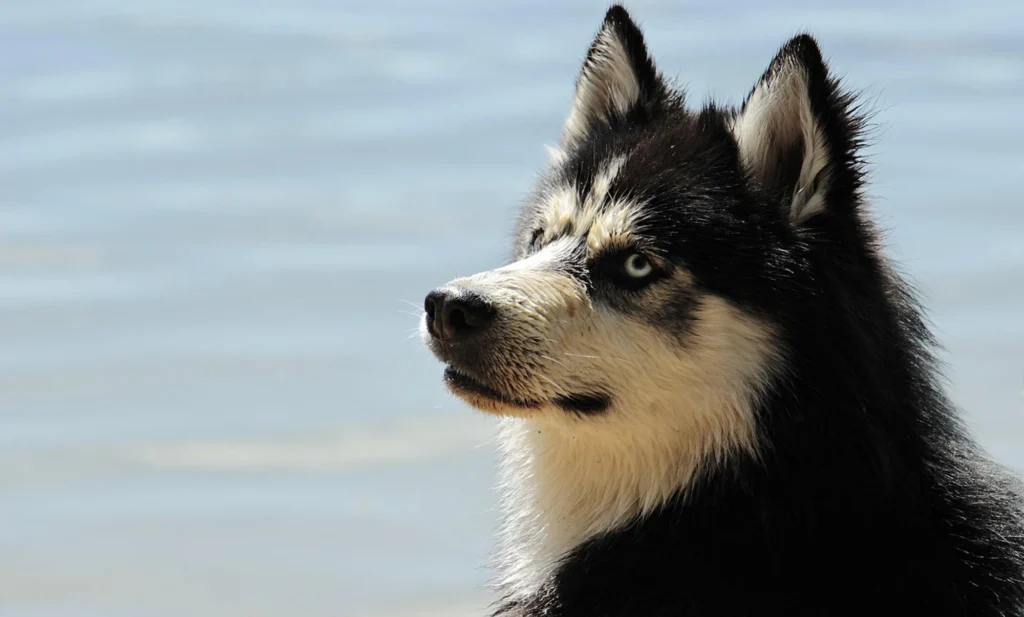
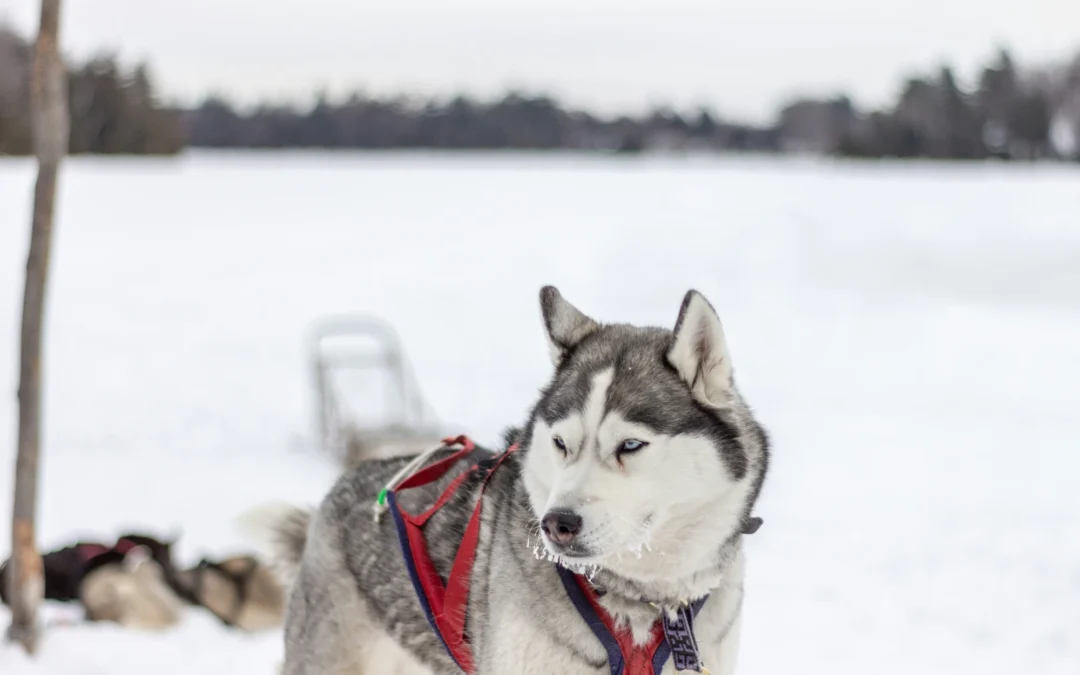
The Canadian Inuit Dog (Canadian Eskimo Dog), also known as Qimmiq, is one of the oldest Indigenous Canadian dog breeds. Developed by Inuit communities more than 1,000 years ago, these dogs played an essential role in Arctic life: pulling sleds, hunting seals, guarding camps, and helping families travel across vast, icy terrain. Their endurance, strength, and survival instincts reflect centuries of intentional breeding in harsh conditions.
This Canadian Eskimo Dog breed is powerful, vocal, and highly driven. Their thick coat, strong build, and natural resilience make them uniquely suited for Arctic climates, not urban life. While deeply loyal to their human companions, they require substantial space, purpose, and experienced handling. Due to snowmobiles replacing sled teams, the breed declined dramatically, becoming one of the most rare Canadian dog breeds still in existence. Preservation efforts continue today, recognizing the dog’s cultural importance and deep connection to Inuit history. Although unlikely to appear in Vancouver households, this breed remains an irreplaceable part of Canadian heritage.
Tahltan Bear Dog (Extinct)
The Tahltan Bear Dog is one of two extinct Canadian dog breeds in this guide and was historically kept by the Tahltan people of northwestern British Columbia. Despite their small size, these dogs were fierce bear-hunting partners, working in coordinated packs to distract and confuse bears during hunts. Their fox-like appearance, erect ears, and brush-like tail made them easy to identify.
As hunting methods changed and firearms became common, the breed’s role diminished. By the mid-20th century, the Tahltan Bear Dog population dropped significantly, and by the 1970s the breed was considered extinct. Although no longer present today, their legacy speaks to the resourcefulness and advanced breeding practices of Indigenous communities in northern BC.
Salish Woolly Dog (Extinct)
The Salish Woolly Dog holds a special place in regional history, especially for dog parents living in Vancouver and the surrounding Coast Salish territories. This small, white, long-haired dog was intentionally bred by Coast Salish peoples for its wool, which was sheared annually and used in traditional blankets and garments. These dogs were often kept on small islands or in enclosed areas to maintain the quality of their coats and to prevent crossbreeding with other village dogs.
This extinct breed highlights how Indigenous communities practiced sophisticated selective breeding long before modern registries existed. Their disappearance in the early 1900s resulted from colonization, displacement, and the introduction of sheep wool. Honouring the Salish Woolly Dog acknowledges local Indigenous history and the connection between land, people, and animals. Although the breed no longer exists, its cultural importance remains meaningful today—particularly in cities like Vancouver, where Coast Salish heritage shapes the region.
FAQs About Canadian Dog Breeds
What dog breeds come from Canada?
Six recognized or historically significant breeds come from Canada: Newfoundland, Labrador Retriever, Nova Scotia Duck Tolling Retriever, Canadian Inuit Dog (Canadian Eskimo Dog), Tahltan Bear Dog, and Salish Woolly Dog. Four are still living today, while two are extinct but remain part of Canada’s cultural and historical record.
What is Canada’s national dog?
Canada’s national dog is the Canadian Inuit Dog (Canadian Eskimo Dog), also known as Qimmiq. Nunavut recognizes it as the territory’s official animal, honouring its deep connection to Inuit culture and its role in Arctic survival, transportation, and hunting.
What is the most popular dog breed in Canada?
The Labrador Retriever consistently ranks as the most popular dog breed across the country due to its friendly temperament, versatility, and compatibility with family life. Their trainability and balanced energy levels make them a common sight in suburban and city households.
What are the rarest Canadian dog breeds?
The Canadian Inuit Dog is one of the rarest surviving breeds, due to population decline in the mid-20th century and ongoing conservation challenges. The Tahltan Bear Dog and Salish Woolly Dog are extinct, making them historically rare and culturally significant. These breeds offer valuable insights into Indigenous dog breeding traditions and the adaptability of early Canadian communities.
Are Canadian Dog Breeds Good Family Pets?
Many Canadian breeds, such as the Newfoundland, Labrador Retriever, and Toller, make excellent family dogs thanks to their sweet temperaments, intelligence, and eagerness to bond with people. The Canadian Inuit Dog, however, is best suited for highly experienced handlers due to its strength and working drive.
Thinking of Welcoming a Canadian Breed? We Love Helping Them Thrive at DogPlay.
Canadian dog breeds bring history, heart, and purpose into modern family life, and they shine when given the right mix of structure, enrichment, and care. At DogPlay, a dog daycare in Vancouver, we’re here to support your pup with daycare, overnight boarding, and dog grooming all under one roof, just minutes from YVR. Our trained staff are on-site 24/7, providing safety, comfort, and connection that dogs depend on. You can explore more resources on our blog or get started through our online portal to book your pup’s visit.
ALSO READ: