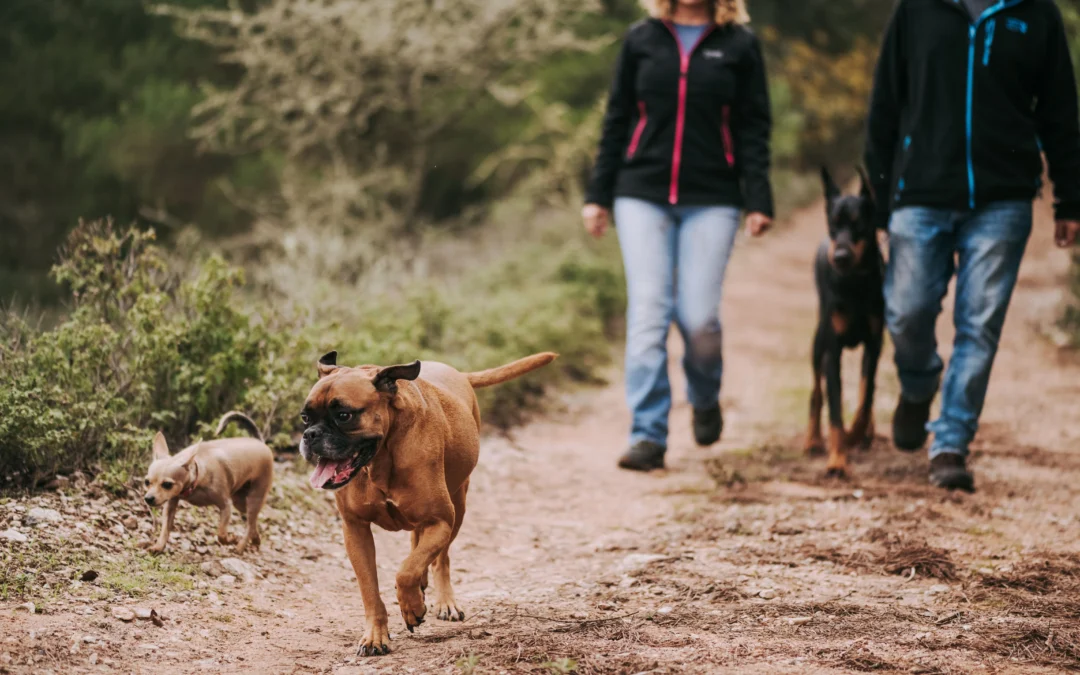
If you’ve typed “what is the best dog breed for an active person” into Google more than once, you already know the answer isn’t one single breed. It comes down to matching a dog’s real energy output to your actual weekly routine, not just picking whichever breed looks the most athletic in photos. Vancouver has no shortage of hikers, trail runners, and paddleboarders, and plenty of them bring their dogs to daily dog daycare a few times a week just to burn off that extra energy.
Some breeds practically thrive on that kind of output and ask for more the second you slow down, while others are just as genuinely active in a steadier, more manageable way. Below, we’ll go through the breeds built for a serious daily workout, the breeds that suit a more balanced and moderately active life, and a few honest myths about “athletic” dogs worth clearing up along the way.
Key Takeaways:
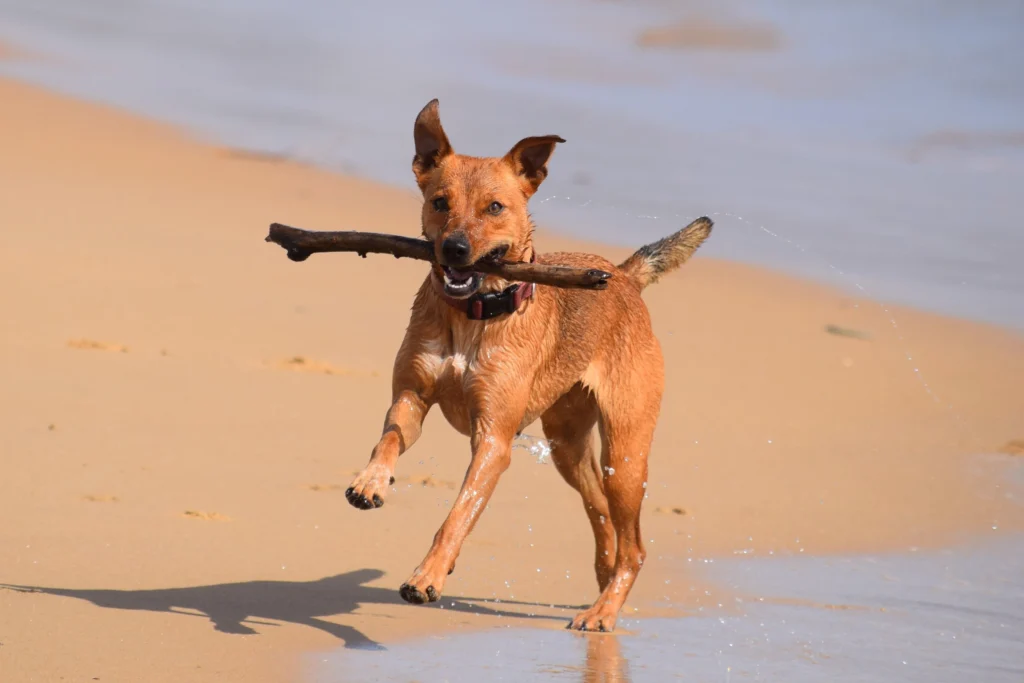
- There’s no single “best” breed. The right match depends on your actual weekly activity, not just how energetic a breed looks on paper
- Border Collies, Vizslas, German Shorthaired Pointers, and Siberian Huskies top the list for owners who want a serious daily workout partner
- Moderately active owners with a standard workday still have excellent options, like the Standard Poodle
- Sleek, athletic-looking breeds aren’t always built for long hikes. Plenty of sighthounds are sprinters, not distance runners
- Whatever breed you choose, structured exercise and mental stimulation matter more than the breed name alone
Start With Your Own Routine, Not the Breed
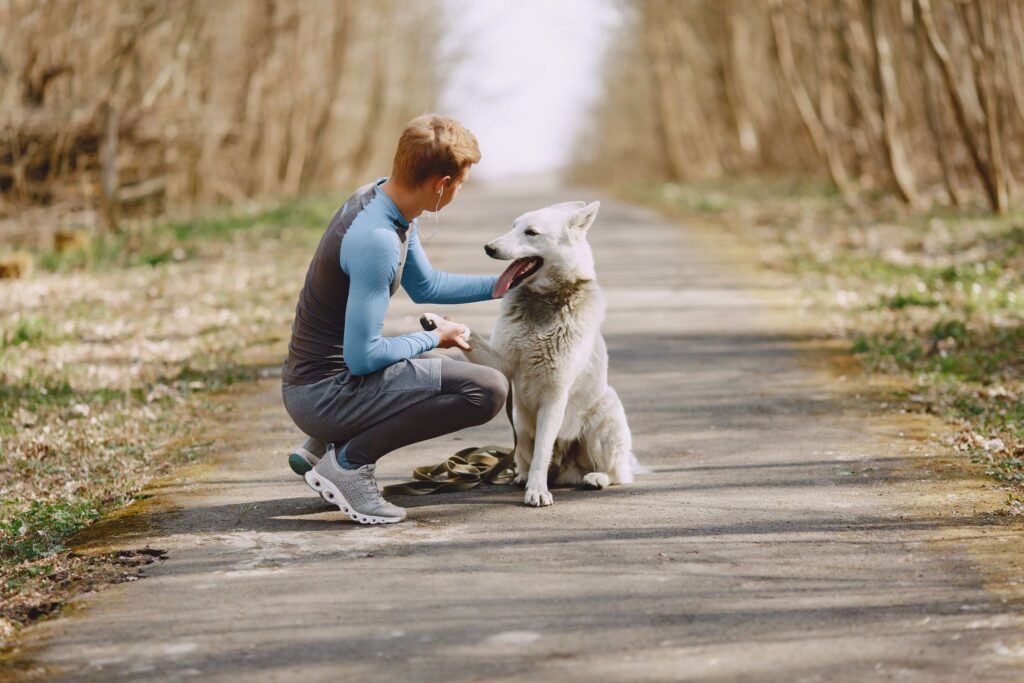
Before you fall for a breed because it looks adventurous in someone else’s photos, it helps to get honest about your actual week. An active person and an extremely active person aren’t the same thing, and the breed that suits one will exhaust the other.
How Much Exercise Do You Actually Get?
Someone who runs five times a week needs a very different dog than someone who walks daily and hikes on weekends, and both of those owners need a different dog than someone who mostly bikes to work and hits the gym a couple of nights a week. None of those routines is more or less active, they just point toward different breeds. Be specific with yourself:
- Do you exercise outdoors most days, or a few times a week?
- Is your activity high intensity, like running or biking, or steady, like walking or hiking?
- How much of that activity can realistically include a dog?
If you want better odds of finding the right fit among active dog breeds, answer those questions before you start browsing. And if getting a dog at all is still an open question, it’s worth taking an honest look at whether you’re ready before you start comparing breeds.
What Does “Active” Actually Mean for a Dog?
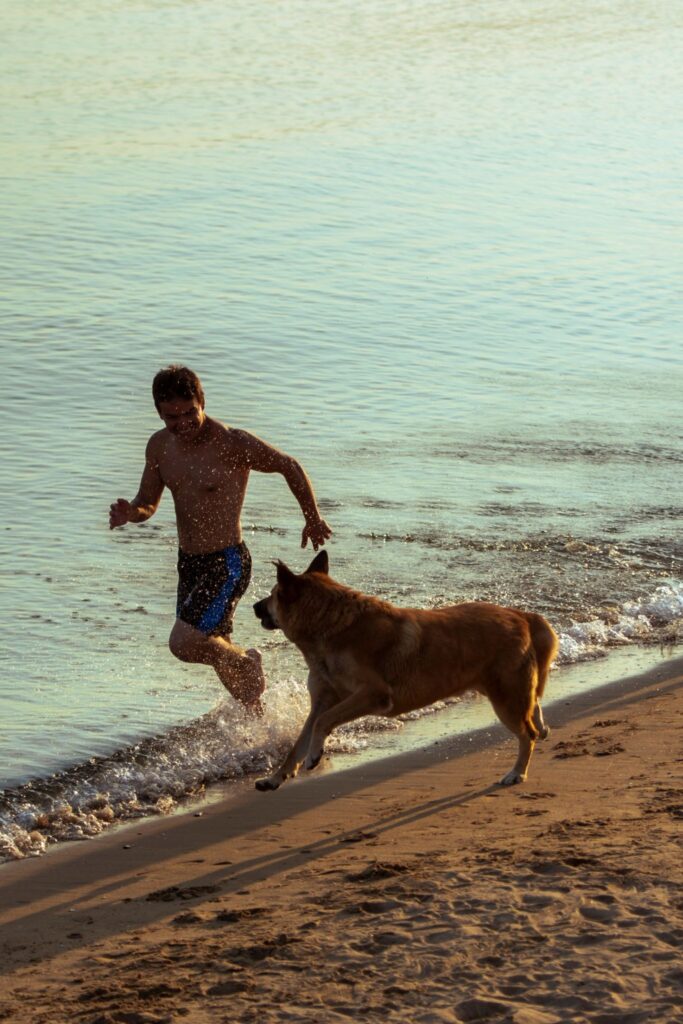
“Active” covers more than physical exercise. Mental stimulation tires out a dog’s brain the way a run tires out their legs, and a lot of owners underestimate how much difference this makes:
- Training games and short obedience drills
- Puzzle feeders that turn mealtime into a project
- Scent work or “find it” games with treats hidden around a room
A breed that seems high energy on paper can be perfectly happy with less physical exercise if these needs are met, and a breed that looks laid back can turn destructive fast if it’s bored all day with nothing to think about.
It’s also worth knowing that breed explains less of a dog’s personality than most people assume. A large-scale genetic study of thousands of pet dogs found that breed accounted for only a small slice of the behavioural differences between individual dogs. The takeaway: life experience shapes a dog’s personality more than pedigree does, so treat every breed description below as a strong starting point, not a guarantee.
Here’s a quick snapshot of what’s ahead:
| Breed | Daily Exercise Needed | Best Fit For |
| Border Collie | 1.5 to 2+ hours, plus mental work | Runners, hikers, agility fans |
| Vizsla | 1.5 to 2+ hours | Owners who want a workout partner glued to their side |
| Siberian Husky | 1.5 to 2 hours, secure space needed | Structured routines, cold weather adventures |
| German Shorthaired Pointer | 1.5 to 2 hours | Trail runners, swimmers |
| Standard Poodle | 45 to 60 minutes, plus mental work | Moderately active or first-time owners |
Top Breeds for Serious Daily Exercise
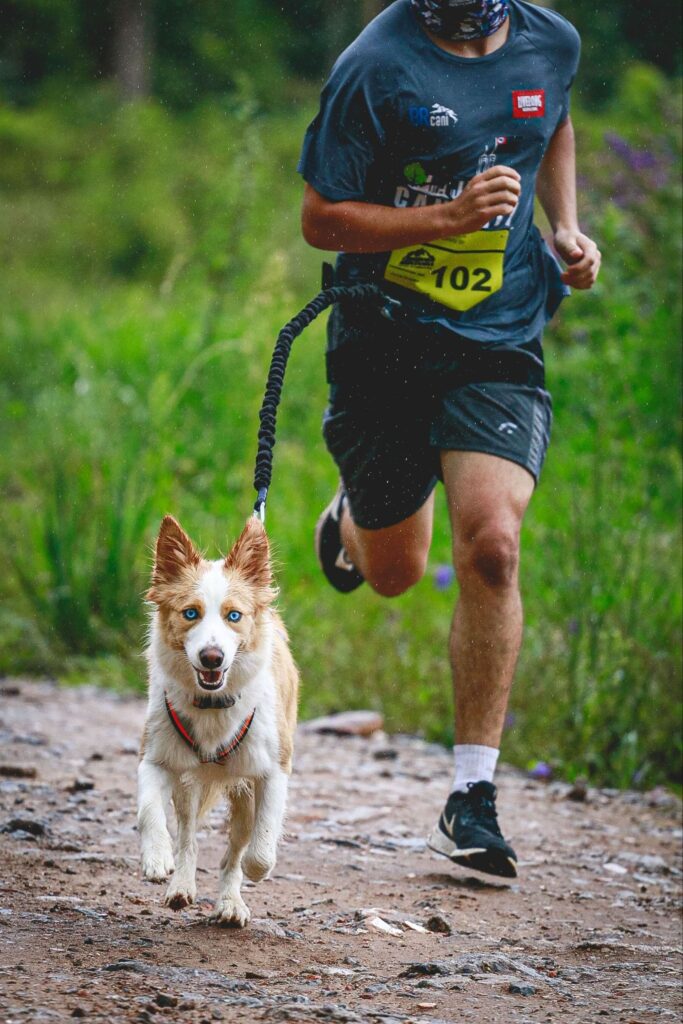
These are the active dog breeds that need daily exercise, the ones you choose when you want a genuine workout partner, not just a walking buddy.
Border Collie
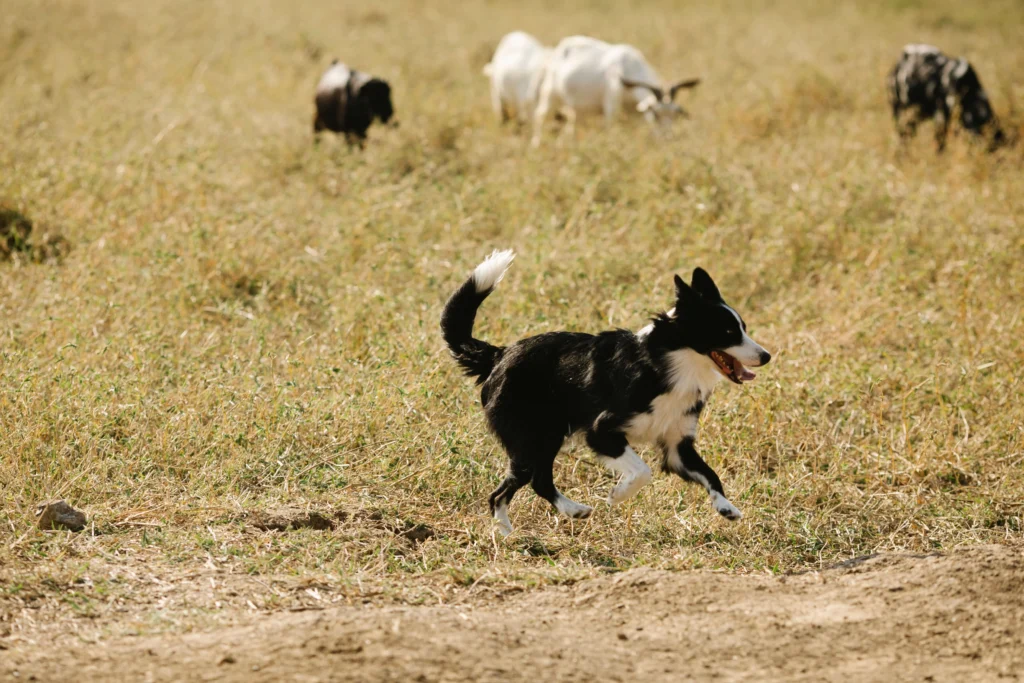
Border Collies were bred to work all day in open fields, and that drive doesn’t switch off just because they’re now living in a townhouse.
- Exercise needs: 1.5 to 2+ hours daily, plus mental work like agility or training games
- Great for: owners who can commit to physical and mental exercise every single day
- Watch for: herding instinct redirected at joggers, cyclists, or kids if underexercised
Give a Border Collie a proper routine, though, and you get one of the most responsive, trainable dogs around, the kind that picks up new tricks in a handful of tries.
Vizsla
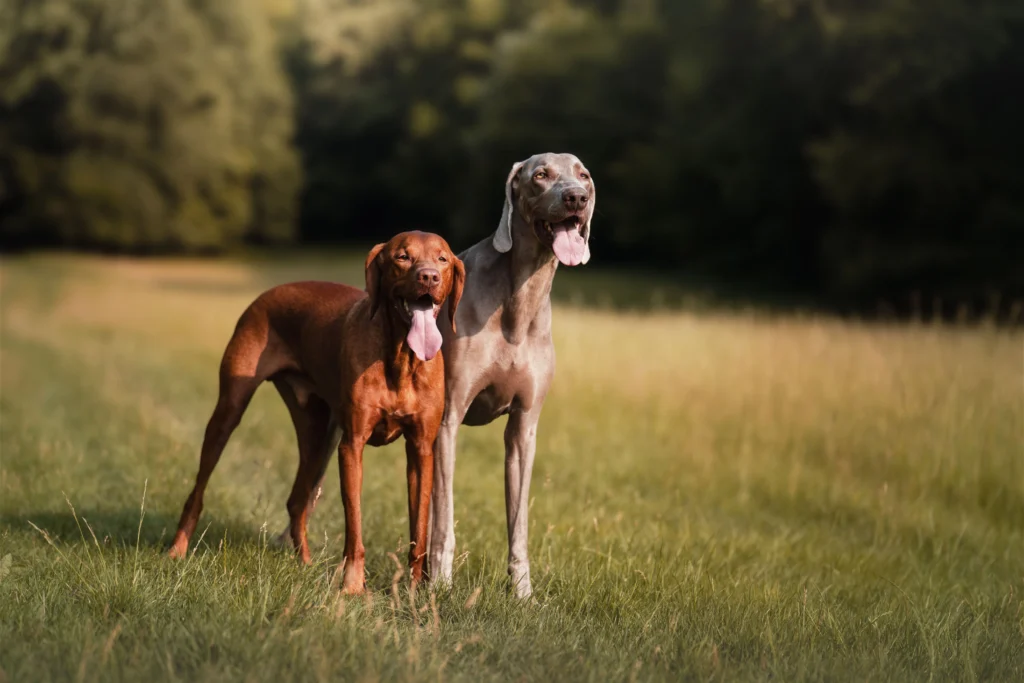
Vizslas are sometimes called velcro dogs, and it’s earned. They want to be wherever you are, and they want to be moving while they’re there.
- Exercise needs: 1.5 to 2+ hours daily, ideally running, hiking, or biking rather than just walking
- Great for: owners who want a dog glued to their side on every outing
- Watch for: restlessness and destructive habits if left under-exercised
A tired Vizsla is a wonderful, affectionate housemate who’ll happily nap draped across your feet. An under-exercised one will let you know about it, usually by redecorating your couch cushions.
Siberian Husky
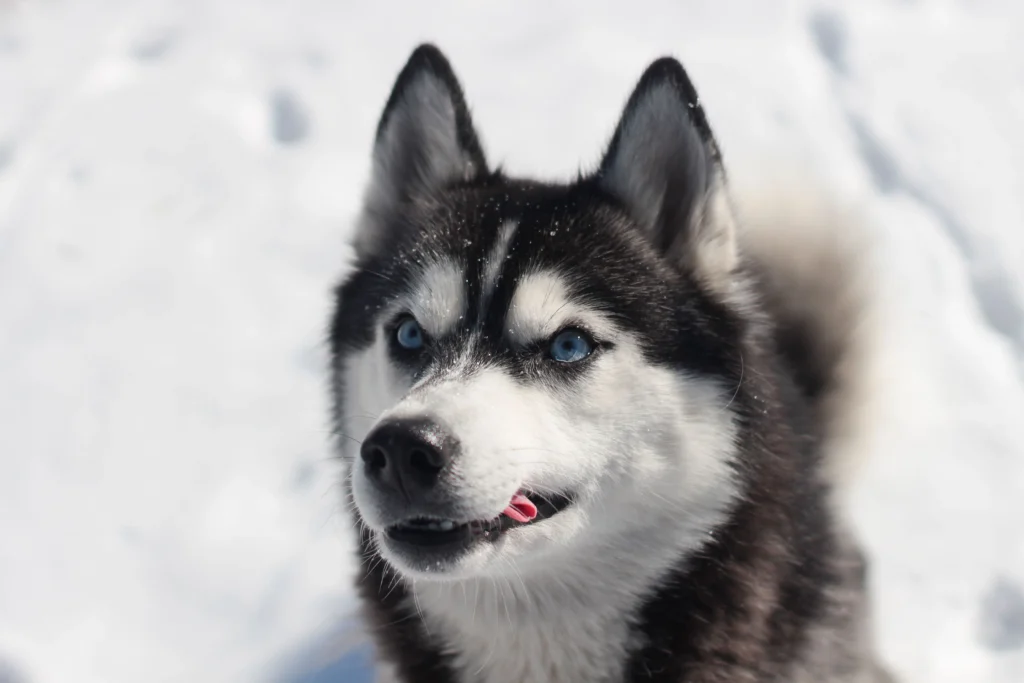
Huskies were built to pull sleds across long distances, and that endurance doesn’t disappear once they’re living in the city.
- Exercise needs: 1.5 to 2 hours daily, in a secure, fenced space since the instinct to run is strong
- Great for: owners with a consistent daily routine and access to safely enclosed areas
- Watch for: restlessness or escape attempts if structure and exercise fall short
We see this firsthand with Boomer, one of the Huskies who joins us regularly for daycare. Without enough structure, he gets restless fast, but on days with the right mix of play, rest, and routine, he settles into a completely different, much calmer dog.
German Shorthaired Pointer
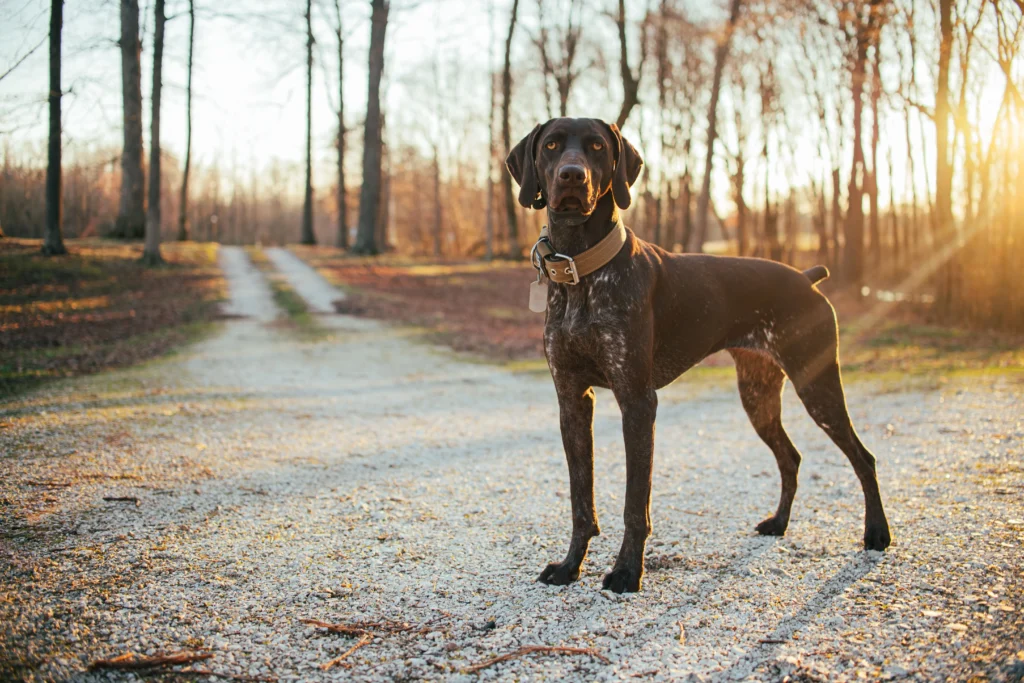
German Shorthaired Pointers were built for a full day of hunting in the field, and most of them still act like that job is waiting every morning.
- Exercise needs: 1.5 to 2 hours daily, ideally running, swimming, or long hikes
- Great for: owners who want a close, one-on-one bond with their dog
- Watch for: restlessness if exercise becomes irregular or too short
If your idea of a good weekend includes a long trail and a dog who never seems to tire, a GSP might be exactly what you’re after.
All four of these breeds are true high-energy dogs for active pet parents, and that need for real daily exercise doesn’t pause when you travel. If overnight stays are ever part of the picture, look for overnight boarding built around real activity and structure, not just a kennel run.
Best Dog Breeds for a Moderately Active, First-Time Owner
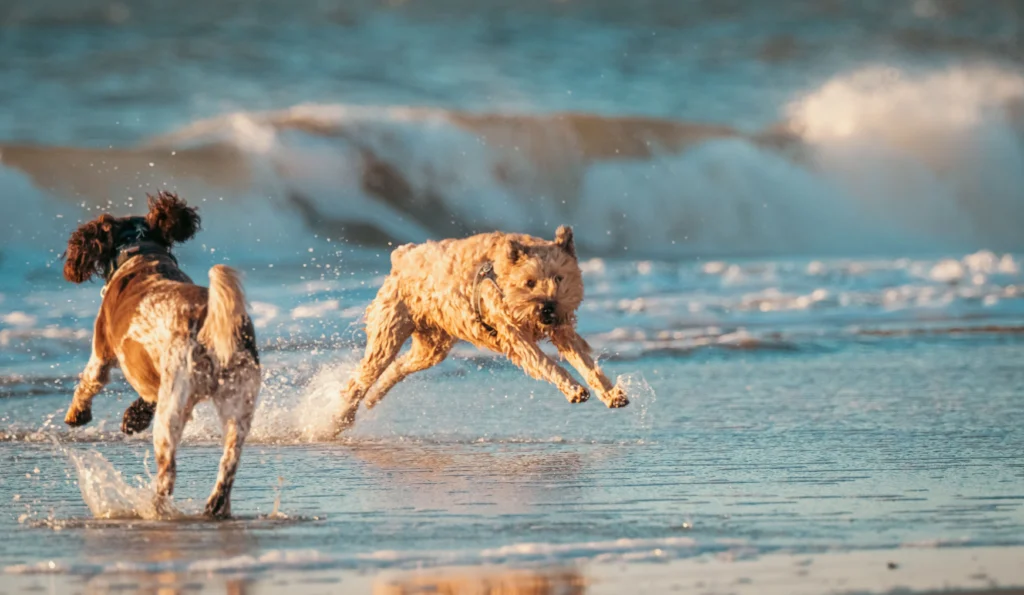
Not every active person is training for an ultramarathon, and that’s a good thing, because there’s a whole category of breeds built for a steadier, more balanced kind of active life.
The Sprinter vs. Marathoner Myth
A lot of people assume a lean, athletic-looking breed like a Greyhound is a natural fit for weekend hikes, but looks can be deceiving:
- Most sighthounds are sprinters built for short, explosive bursts of speed, not hours on a trail
- Many are genuinely happy with a couple of solid walks, then content curling up for the rest of the day
- The breed that looks the most athletic on paper isn’t always the one that wants to hike for three hours beside you
Standard Poodle, the Underrated All-Rounder
Standard Poodles get overshadowed by their haircuts, but underneath the grooming they’re genuinely athletic and quick to learn.
- Exercise needs: 45 to 60 minutes daily, plus mental work like training or puzzle toys
- Great for: moderately active owners and first-time dog owners with a standard workday
- Watch for: a grooming routine that needs real, ongoing commitment
They’re one of the best dogs for active owners who enjoy hiking without needing marathon-level mileage every single day. Budgeting for regular professional grooming is part of the deal, not an afterthought.
What to Actually Look for If You’re New to This
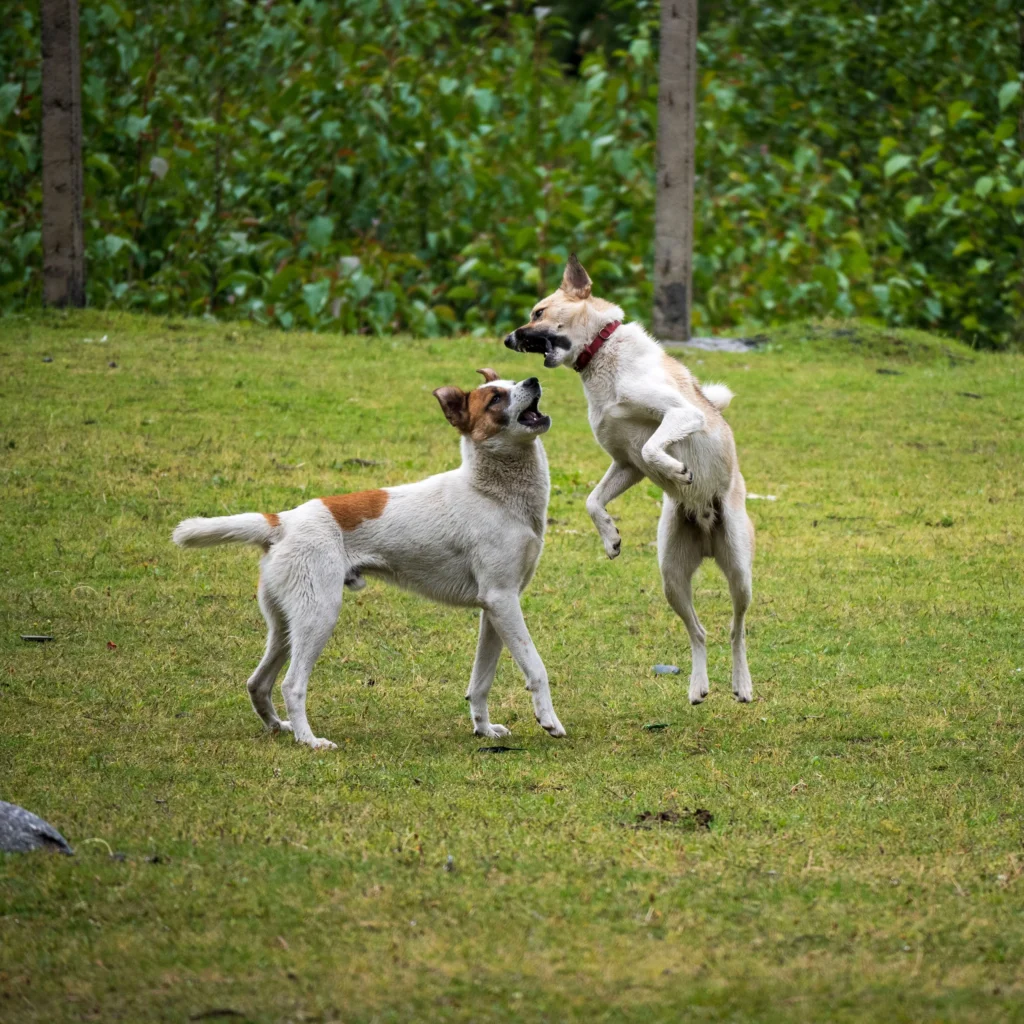
If you’re a first-time owner trying to figure out which breed fits your life, energy level is only half the picture. Look for:
- A temperament comfortable with a predictable amount of alone time during a workday
- A dog that’s genuinely easygoing around strangers and other dogs, not just tolerant of them
- Exercise needs that match your realistic weekly routine, not your ideal one
- A coat and grooming routine you’re actually willing to keep up with
No breed is completely hands off, and even the most independent dog still needs consistent structure and stimulation. A properly run dog daycare in Vancouver earns its keep for a lot of local owners for exactly this reason, especially during the workday stretch when nobody’s home to keep an active dog entertained.
The Best Match Comes Down to Energy, Not Just Breed
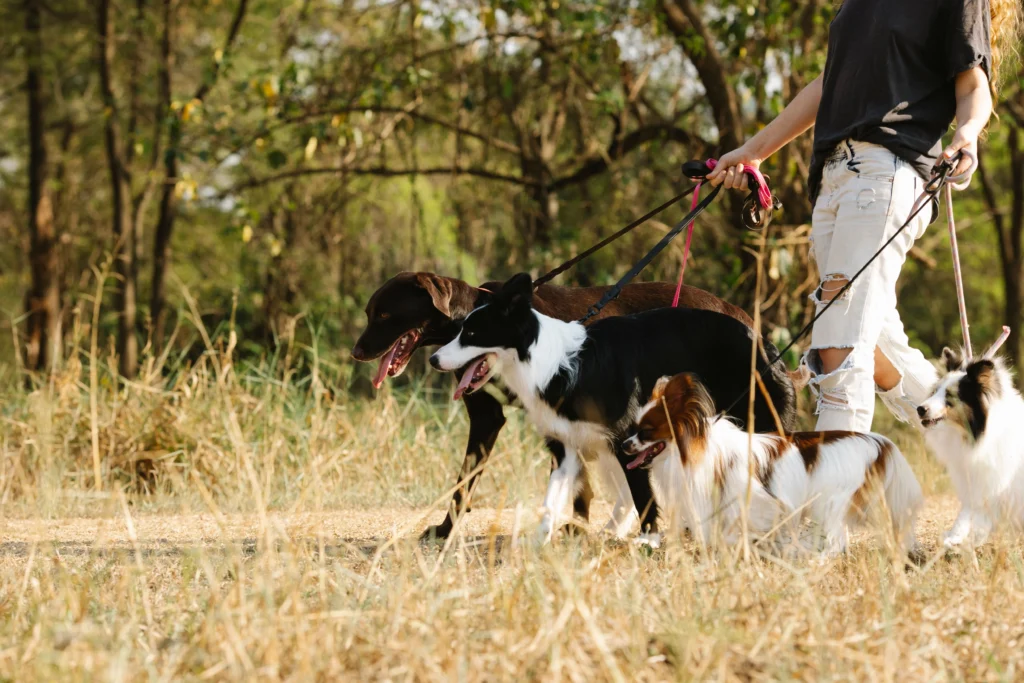
Really, finding the right match isn’t about a single winner on a list. It’s about being honest with yourself about how much time, energy, and structure you can realistically offer, then finding a dog whose needs line up with that.
Quick recap, by lifestyle:
- Want a genuine workout partner? Look at the Border Collie, Vizsla, Siberian Husky, or German Shorthaired Pointer
- Moderately active or a first-time owner? The Standard Poodle is a strong all-around fit
- Whatever breed you choose, structure and mental stimulation matter more than what’s on the papers
That holds true whether your dog is six months old or six years into the routine you’ve built together, in Vancouver rain or shine.
Need backup on the days your schedule won’t allow for a proper workout, or somewhere that keeps a high-energy dog busy while you’re travelling? We’re set up for exactly that. Create a free account and book your dog’s first trial day, we’d love to meet them.
FAQs About “What Is the Best Dog Breed for an Active Person?”
Is there really one perfect breed for an active lifestyle?
Not exactly. The best breed depends on how active you are, what kind of activity you enjoy, and how much time you can realistically commit every day. A breed that’s perfect for a trail runner might be miserable for someone who prefers long walks and weekend hikes.
How do I know if a breed actually matches my energy level and not just my personality?
Spend time around adult dogs of that breed if you can, talk to people who own one, and be honest about your actual week rather than your ideal one. Energy needs are much easier to plan around before you bring a dog home than after.