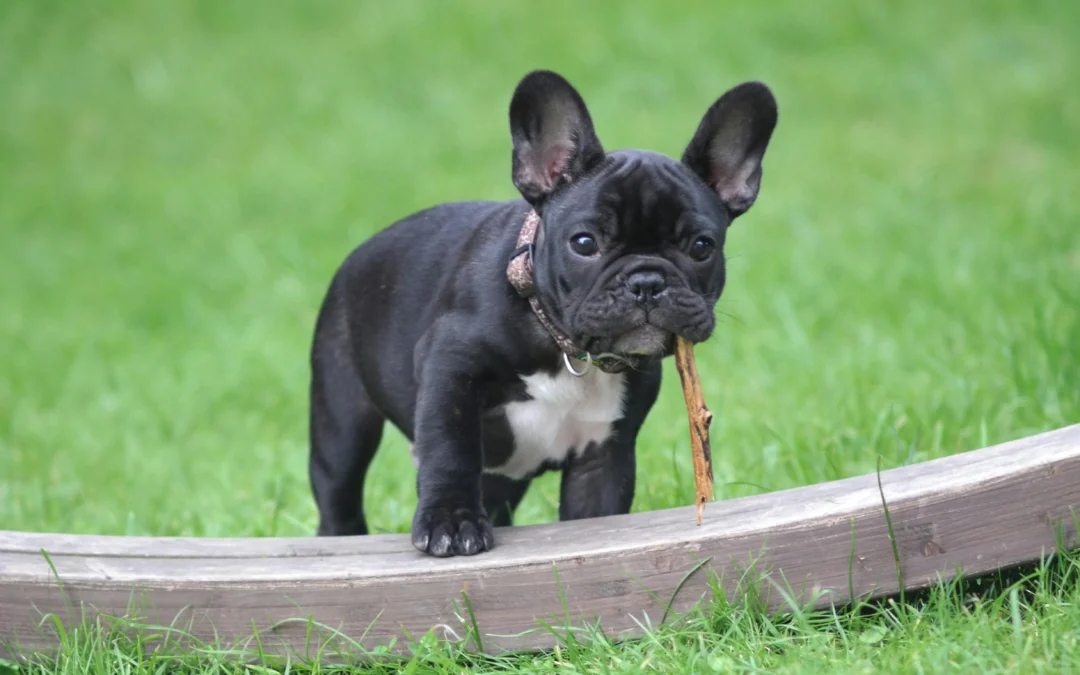
Bully sticks are one of the most popular natural chews for dogs, and for good reason. They’re single-ingredient, fully digestible, and dogs are almost universally obsessed with them. Whether you’re wondering “What are bully sticks made of?”, whether they’re safe, or how often to give one, we cover everything. As a dog daycare in Marpole that also offers boarding and grooming, we work hands-on with dogs every day, and bully sticks come up in nearly every conversation we have with Vancouver dog owners.
Key Takeaways:
- Bully sticks are made from a single ingredient: dried beef pizzle
- They’re fully digestible and far safer than rawhide
- Regular chewing supports dental health by scraping away plaque and tartar
- Supervision is essential every single time you give one
- They’re appropriate for puppies when sized correctly
- Calorie content means frequency needs to be managed based on your dog’s size
What Are Bully Sticks?
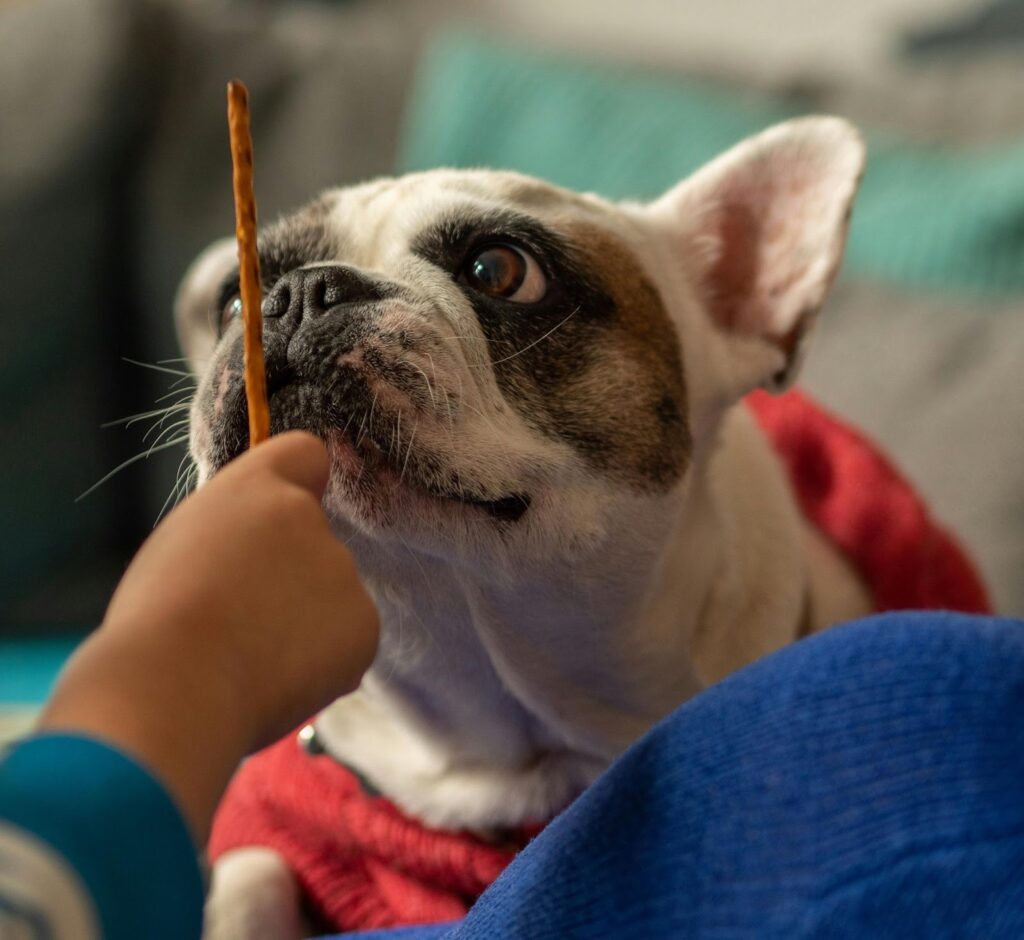
If you’ve ever asked what bully sticks are and gotten a vague answer, you’re not alone. Most dog owners know they’re popular, but fewer know exactly what they’re buying. The answer is clear: bully sticks are made from dried beef pizzle, which is the penis of a bull or steer.
That might raise an eyebrow, but your dog has absolutely zero reservations about it. Dogs are drawn to organ tissue because it closely mirrors their ancestral diet, and the rich, meaty flavor of a pizzle chew is about as appealing as a treat gets for them.
Other Names You Might See
Dog bully sticks are also sold under names like pizzle sticks, bully bones, and bully chews. They all refer to the same product. “Bully stick” became the mainstream-friendly label that made bully sticks easier to stock in regular pet stores without sending every shopper straight to Google in alarm.
What Are Bully Sticks Made of?

When owners ask “What are bully sticks made of?” or “What are bully sticks made from?”, the answer is refreshingly simple: one ingredient. Bully sticks start with nothing more than dried beef muscle from a bull’s pizzle. No fillers, no chemical preservatives, no artificial additives. Bully stick ingredients don’t get more transparent than that, and beef bully sticks are naturally grain-free and gluten-free, which is a genuine bonus for dogs with dietary sensitivities.
How Is a Bully Stick Made?
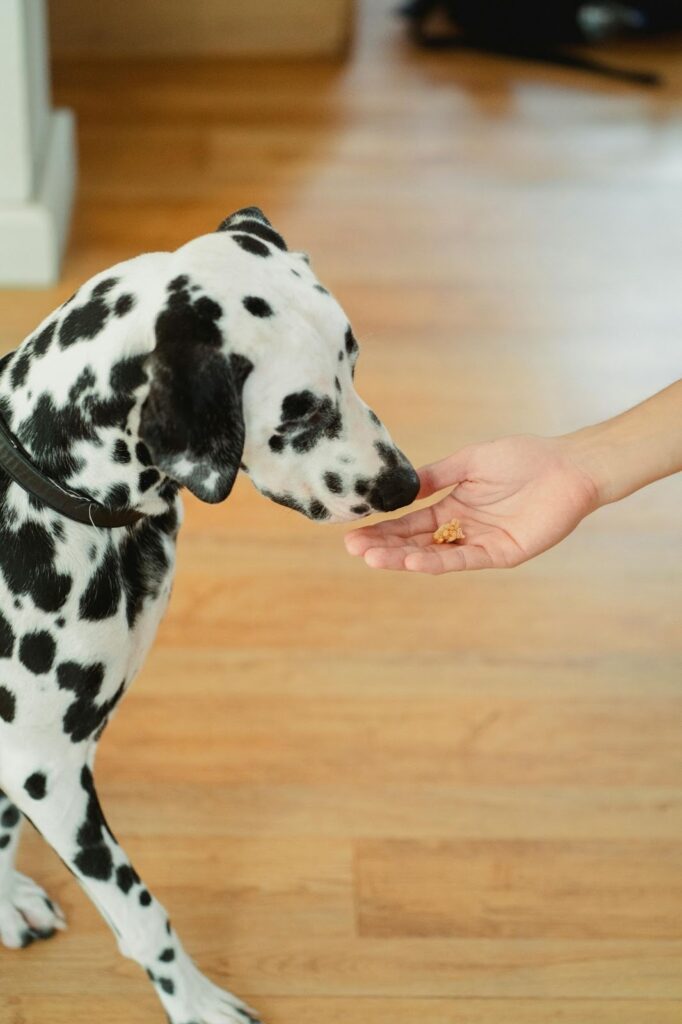
What are bully sticks made of from start to finish? The raw pizzle is cleaned to remove excess fat and impurities, sometimes shaped into braids, spirals, or rings, and then slow-dried through roasting, baking, or low-temperature dehydration. How pizzle sticks are made varies between producers: quality manufacturers use slow air-drying over two to three days for density and better bacterial control, while budget versions often use faster high-heat methods that produce a lighter, less durable chew. A quality bully stick produced through slow drying will be denser, last longer, and carry a lower contamination risk.
Why Do Some Bully Sticks Smell More Than Others?
Odor is almost entirely a moisture issue. More residual moisture in the stick means a stronger smell. “Odor-free” bully sticks undergo extended drying to reduce that moisture significantly, making them far more tolerable for indoor use. They’re never completely scentless once your dog gets going, but the difference is very noticeable. At the facility, low-odor is our strong preference for obvious reasons.
Are Bully Sticks Safe for Dogs?
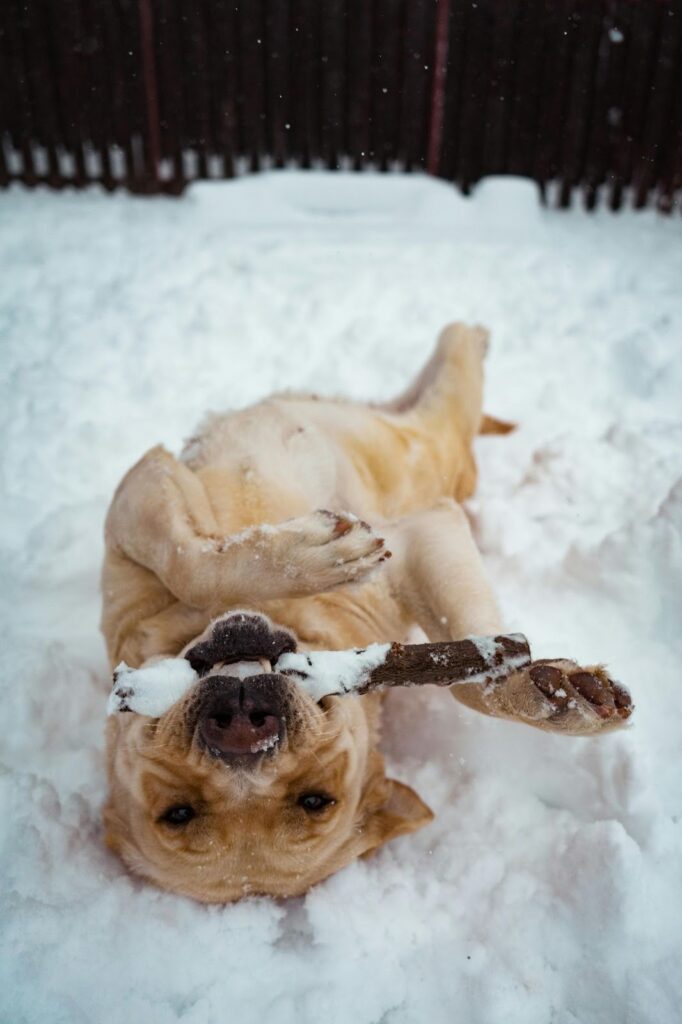
Are bully sticks safe for dogs? Yes, when given with proper supervision and in the correct size. Bully sticks that are properly matched to the dog and supervised throughout are one of the safer dog food options available. The risks that exist come from how a dog interacts with the chew, not from the product itself.
Supervision Is Non-Negotiable
We never leave a dog unattended with a bully stick at DogPlay. Full stop. Any natural chew can become a choking hazard as it shrinks, and bully sticks are no exception. Proper supervision means staying close enough to step in if your dog starts breaking off large chunks or the stick gets down to a dangerous length.
Choosing the Right Size
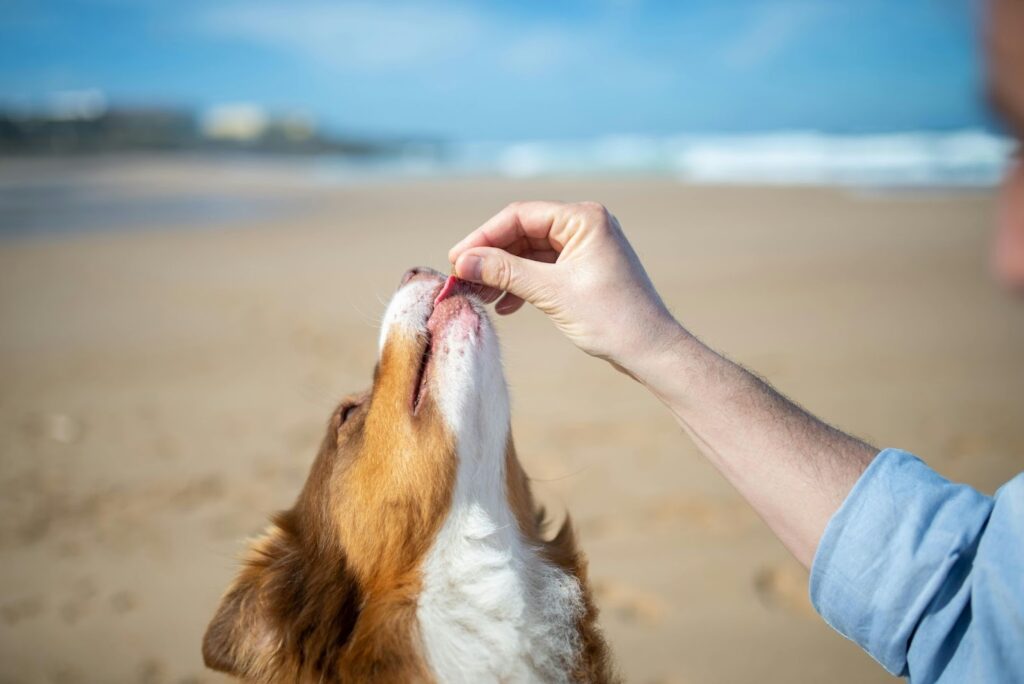
A bully stick that’s too small for a large dog is a choking risk from the outset. Choose slightly larger than you think your dog needs, and opt for braided or extra-thick options for aggressive chewers who power through a straight stick in minutes. We had a young Lab boarder who was chewing beautifully until he switched to breaking off chunks instead of grinding it down gradually. Moving him to a thicker braided option slowed him right down and made the whole session safer.
When to Pull the Stick
Once a bully stick reaches about 1.5 to 2 inches, it needs to come away. Your dog will protest loudly, but that nub is genuinely dangerous and can be swallowed whole. A holder manages this neatly by preventing your dog from reaching that final piece before you notice.
Are Bully Sticks Good for Dogs?

Are bully sticks good for dogs in a meaningful, lasting way? Yes, across several areas that genuinely support health and wellbeing. What makes bully sticks stand out is that their benefits are well-documented and consistently observed in practice.
Dental Health Benefits
One of the strongest arguments for bully sticks is their impact on oral health. Chewing mechanically scrapes plaque and tartar from the tooth surface before it has a chance to harden. Periodontal disease is one of the most prevalent conditions in adult dogs, and consistent chewing on tough natural chews is a recognized part of managing it.
For a closer look at why canine dental disease carries such serious health consequences, dental disorder progresses in dogs explains the clinical picture clearly. Are bully sticks healthy for dogs from a dental standpoint? Absolutely.
Protein and Nutrition
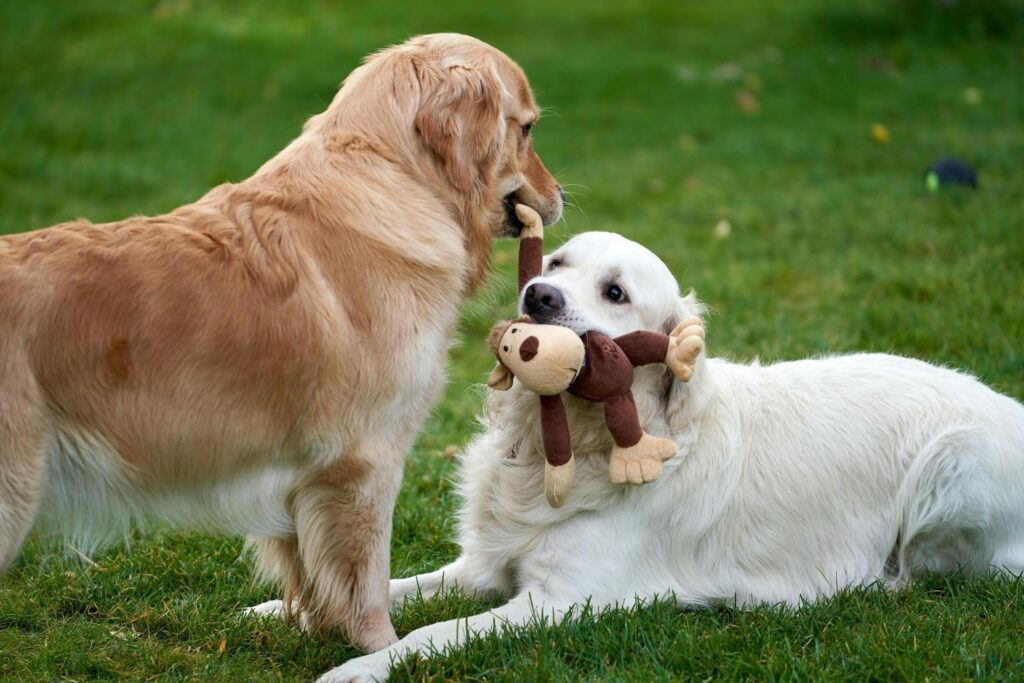
What is in a bully stick nutritionally? Primarily high-quality beef protein, providing the full range of amino acids dogs need for muscle development, coat health, skin condition, and immune support. Are bully sticks healthy for dogs overall? Yes, and considerably more so than most commercial treats. Bully stick ingredients are single-source, clean, and free from the grain fillers and artificial additives common in processed chew products.
Mental Enrichment You Can Actually See
We witness this firsthand at DogPlay. Dogs arriving for their first boarding stay, unsettled and anxious in a new environment, will often decompress visibly within ten minutes of being given a bully stick. Sustained chewing releases endorphins and tires a dog out in a calm, productive way.
Boomer, a senior Golden who boarded with us for the very first time after his family had never left him before, paced and whined for over an hour until we gave him the stick his owner had packed. He settled onto his mat and barely moved for the better part of forty minutes. His owner cried when she saw the update photo.
Bully Sticks for Puppies, Frequency, and Storage

Bully sticks for puppies: yes, with appropriate sizing and active supervision. As long as your puppy can chew hard treats independently, they can handle a bully stick. Are bully sticks good for puppies developmentally? Absolutely. They deliver the same protein and dental benefits as they do for adults, and they’re a far better teething outlet than furniture legs or shoes.
Can Puppies Have Bully Sticks?
Can puppies have bully sticks before reaching full size? Yes. Just choose an appropriate size, stay close while they chew, and take it away before it becomes a nub. Are bully sticks good for puppies with a strong chewing drive? Definitely. A thicker or braided option will hold up much longer.
How Often to Give Bully Sticks

How often to give bully sticks is primarily a calorie question. A 6-inch bully stick can contain anywhere from 54 to 132 calories, depending on thickness. For a small dog, that can represent up to 30% of daily caloric intake in a single session. For a 50-pound dog, it’s closer to 9%. A few times per week is a sensible baseline for most dogs, with regular meal portions adjusted slightly to account for the extra calories.
How to Store Bully Sticks
How to store bully sticks properly: keep them in a cool, dry spot in an airtight container or resealable bag, away from sunlight and humidity. Quality bully sticks have a shelf life of up to three years when stored correctly. Once a stick has been partially chewed and set aside, refrigerate it or discard it within a day or two, particularly in a coastal city like Vancouver, where ambient moisture builds up quickly.
The Chew That Always Earns Its Spot
Bully sticks have a well-deserved reputation, and at DogPlay, we see why every day. They’re one of the few treats that deliver across multiple areas at once: clean protein, meaningful dental support, full digestibility, and real enrichment value. We don’t recommend things we haven’t seen work with real dogs, and bully sticks are as close to a unanimous recommendation as we can offer.
The formula for using bully sticks well is simple: choose the right size for your dog, supervise every session, and take the stick away before it becomes a nub. Those three habits make the difference between a great experience and a stressful one.
If you’re not sure which option suits your dog best, our team is happy to talk it through. Whether your dog spends their days with us as a regular at our dog daycare in Vancouver or is boarding with us for the first time, the goal is always the same: a happy, healthy, well-cared-for dog.
Bully sticks aren’t the right fit for every dog in every situation, but for most, they’re one of the best natural chews available. Visit DogPlay, ask us anything, or book a stay and experience the difference that thoughtful, hands-on care makes. Your dog will thank you for it.
FAQ About Bully Sticks
Should Dogs Eat Sticks from the Yard?
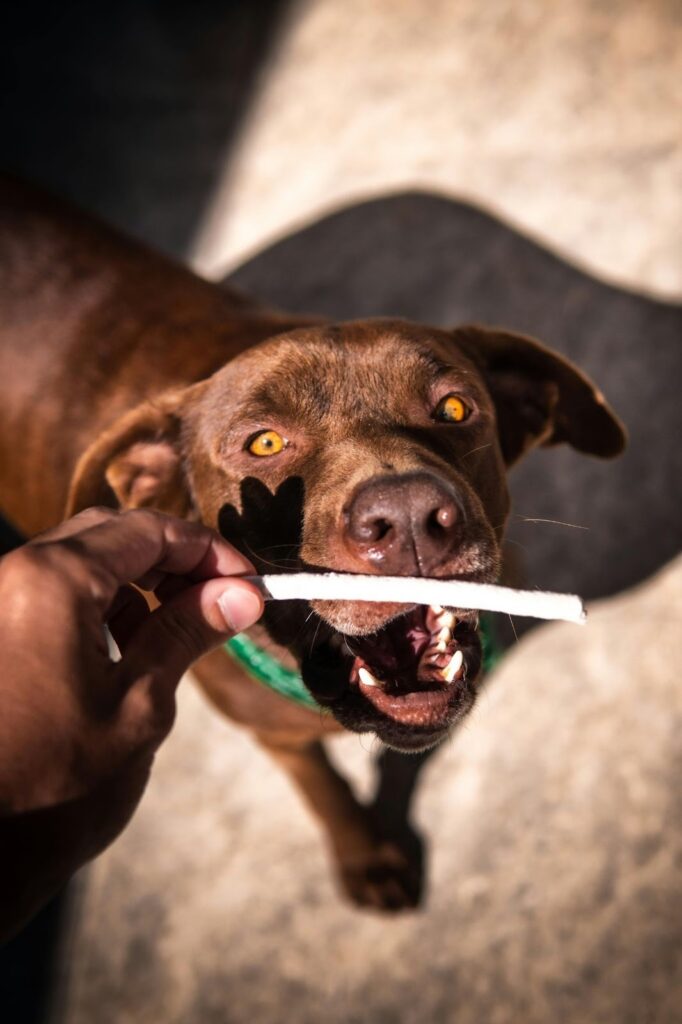
No. Should dogs eat sticks found outside? Absolutely not. Wood splinters and can cause serious internal injuries. Bully sticks are purpose-made natural chews designed for safe, gradual consumption.
Are Bully Sticks Digestible?
Yes. Unlike rawhide, bully sticks break down fully in the digestive tract, and chewing begins the breakdown process before the dog even swallows.
Do Bully Sticks Carry Bacteria?
Like any natural animal product, they can carry low levels of bacteria. Choosing a brand with rigorous pathogen testing matters. Always wash your hands after handling bully sticks.
Can Bully Sticks Cause Blockages?
When chewed properly and sized correctly, bully sticks are fully digestible and blockages are uncommon. The risk increases significantly if a dog swallows a large unchewed piece, which is why supervision matters every time.
Are There Bully Sticks for Dogs with Beef Allergies?
Yes. Water buffalo pizzle and lamb pizzle are excellent alternatives for dogs that can’t tolerate beef bully sticks.
FAQ About DogPlay

Do You Give Bully Sticks to Dogs at DogPlay?
Yes, when owners have packed them or specifically requested them as part of their dog’s routine. Bully sticks are always given individually, never in a group setting. High-value chews in a shared space invite resource guarding, even from the most social dogs.
How Does Your Team Supervise Chewing at the Facility?
Actively and in person, every time. We use holders once the stick gets short and remove it before it reaches nub territory. Our dog boarding team knows that proper supervision means being physically present, not just somewhere nearby.
Which Types of Bully Sticks Do You Prefer at the Facility?
Odor-free bully sticks are our strong preference for indoor use. For moderate to heavy chewers, braided options hold up far better than straight sticks and keep the dog more mentally engaged throughout the session.
Do You Recommend Bully Sticks to Vancouver Dog Owners?
All the time. When clients bring their dogs in for dog grooming and ask what they can do at home to support dental health between professional cleanings, bully sticks are one of our first suggestions.