

Living in the Pacific Northwest, we are lucky to have beautiful trails and green spaces right in our backyard. But whether you are walking your pup through the Marpole neighbourhood or taking a weekend trip up the coast, there is one tiny neighbour we always have to watch out for: the tick. At DogPlay, we believe that being a responsible dog parent means staying one step ahead of these hitchhikers. Understanding the relationship between tick bites and dogs is the best way to keep your furry family member safe, happy, and healthy. If you need a trusted dog daycare in Vancouver to watch your pup while you tackle the trails yourself, we are here to help.
Tick Bites and Dogs: The Reality of Ticks in Vancouver and Beyond

Many people think of ticks as a “deep woods” problem, but in Vancouver, they are much closer than you think. Ticks don’t jump or fly; they wait on the tips of tall grass or shrubs. Because our climate stays relatively mild, we have to treat this as a year-round concern. Whether your dog is in doggy daycare or boarding with us, we stay vigilant because these parasites are masters of disguise. It is why our DogPlay Daycare and Boarding emphasizes our commitment to safety and enrichment above all else.
What Would a Tick Look Like on a Dog?

If you have never seen one before, you might ask: what would a tick look like on a dog? Before they feed, a tick on dog fur can look like a tiny, dark speck. Once they attach and begin to feed, their bodies engorge with blood. At this stage, they look like a smooth, shiny bump that can range in colour from greyish-tan to dark brown. They can vary in size from a tiny pinhead to the size of a bean, which is why manual checks are so important.
Common Spots to Find a Tick Bite on Dog Skin

Ticks are looking for warm, hidden areas where the skin is thinner. When we do our checks at DogPlay, we pay extra attention to the “hot spots.” This includes the crevices between the toes, inside the ear flaps, and around the eyelids. A tick bite on dog skin often occurs in these protected areas because the tick wants to feed undisturbed for several days.
Recognizing the Early Signs of Ticks in Dogs
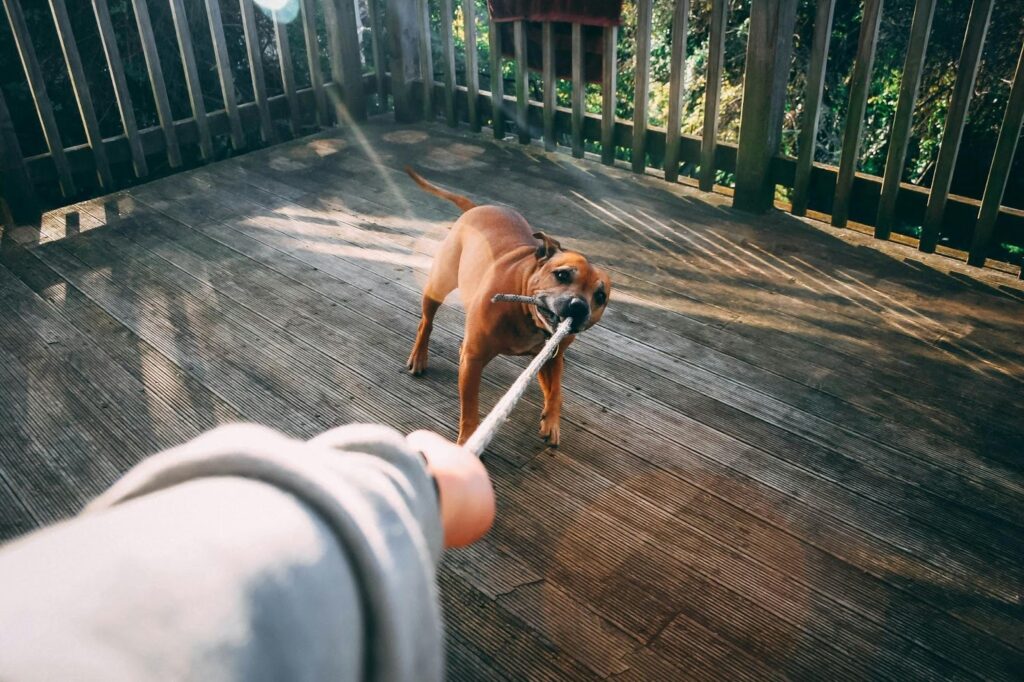
Sometimes you won’t see the parasite itself, but you’ll notice signs of ticks in dogs through their behavior. While the bites themselves aren’t usually itchy, a dog might lick or chew at a specific spot if the skin becomes irritated. If you notice a small, firm red bump, it could be a canine tick bite. Because they can be so small, we recommend a “hands-on” approach every single day.
How to Perform a Professional Finger-Brush Check

The best tool for finding a tick on dog fur is actually your own hands. At our Vancouver facility, we use a technique we call the “finger-brush.” You run your fingers slowly through your dog’s coat, applying enough pressure to feel the skin. You are looking for any unusual bumps or lumps. This is especially vital for our long-haired friends who can easily hide a hitchhiker in their undercoat.
The Correct Method for Canine Tick Removal
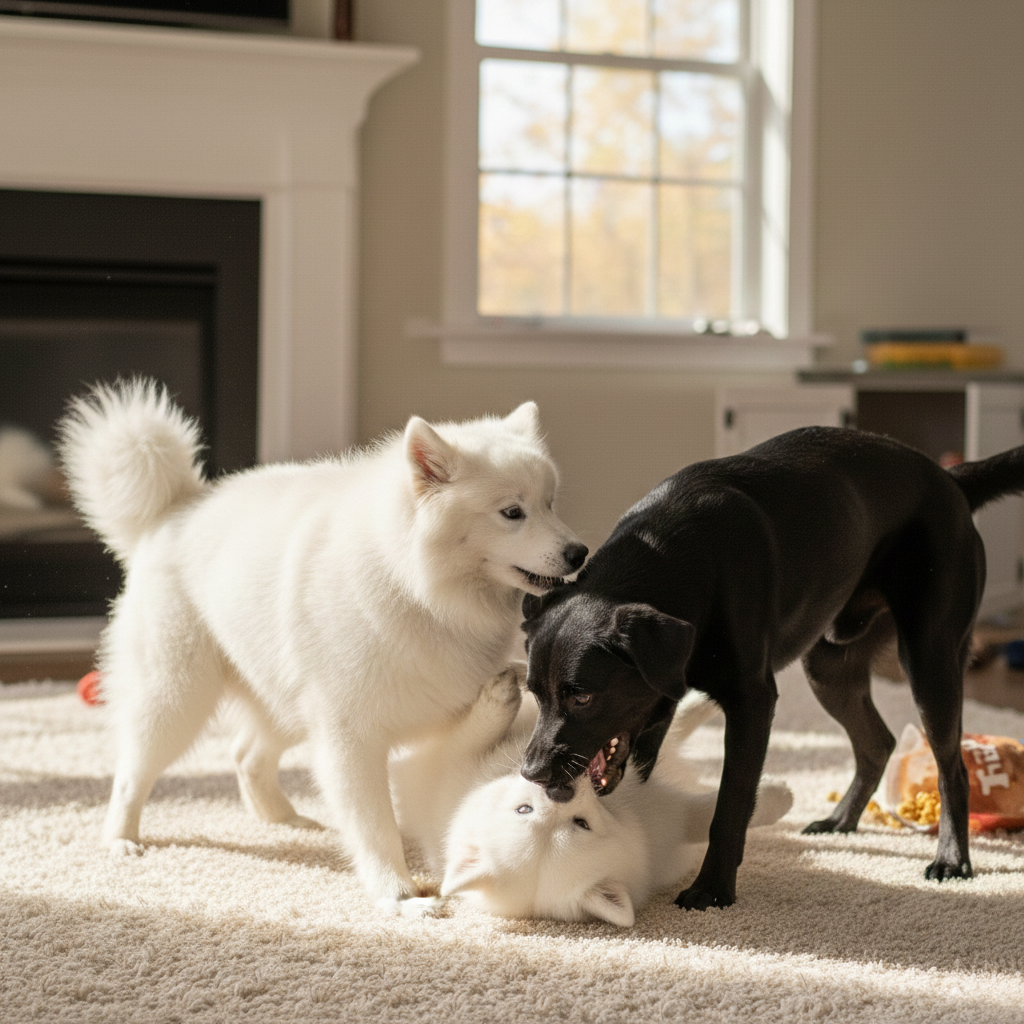
If you find one, don’t panic, but do act quickly. Canine tick removal needs to be done carefully to ensure you don’t leave the mouthparts behind. Using a pair of fine-tipped tweezers, grasp the tick as close to the skin as possible. You want to pull upward with steady, even pressure. It’s a common myth that you should twist the tick or use a lit match. Agitating the tick can actually cause it to regurgitate fluids back into your dog, increasing the risk of infection.
Essential Steps for How to Get a Tick Out of a Dog
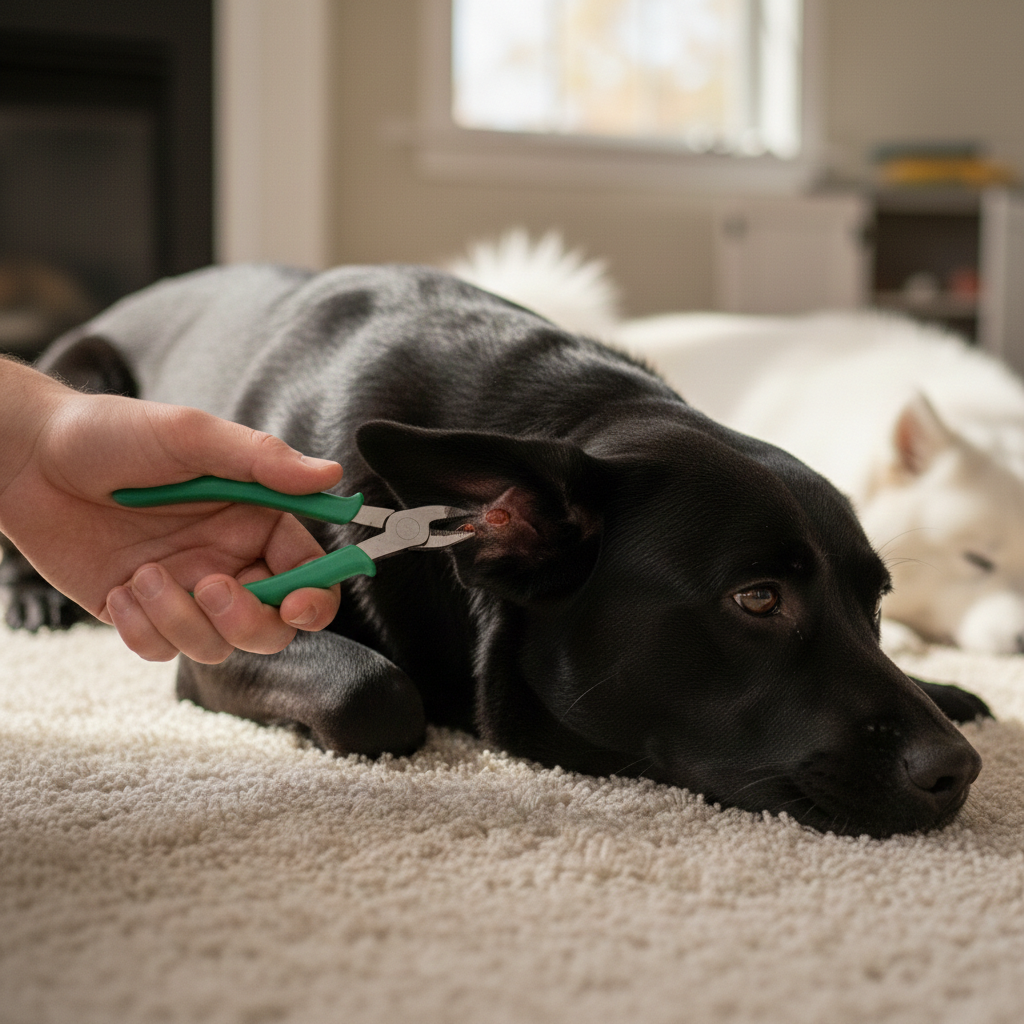
When you are learning how to get a tick out of a dog, remember that the goal is a clean extraction. Once the tick is out, clean the bite area with soap and water or a pet-safe antiseptic. We often suggest saving the tick in a small container with rubbing alcohol. This way, if your dog starts showing symptoms later, your vet can identify the exact species of tick, which helps narrow down what kind of tick infection dogs might be facing.
Understanding the Risk of Tick Infection

A tick infection in dogs can contract isn’t just about a simple skin irritation. Ticks are vectors for various bacteria and parasites. While many people focus on Lyme disease, there are other concerns like Anaplasmosis or Ehrlichiosis. The dangerous part is that some of these infections can be transmitted in as little as 3 to 6 hours after the tick attaches. There are a lot of other common canine illnesses to watch out for when caring for your dog.
Identifying Symptoms of Lyme Disease in Dogs

One of the most frequently discussed topics is the symptoms of lyme disease in dogs. Unlike humans, dogs don’t usually get a “bullseye” rash. Instead, you might notice intermittent lameness. Other signs include fever, decreased appetite, and a general sense of lethargy. If your dog seems “off” a few weeks after a forest walk, it is always worth a trip to the vet for a blood test.
Why 24/7 Supervision Matters for Post-Bite Monitoring

At DogPlay, we offer 24/7 on-site staffing, which is a huge advantage for dogs being monitored for a canine tick bite. Because our overnight team member sleeps in a room connected to our dog boarding suites, we can catch subtle changes in behavior. If a dog becomes restless or shows signs of a fever in the middle of the night, we are there to provide comfort and alert you immediately. We don’t rely on cameras; we rely on human connection.
Effective Tick Prevention for Dogs in the City
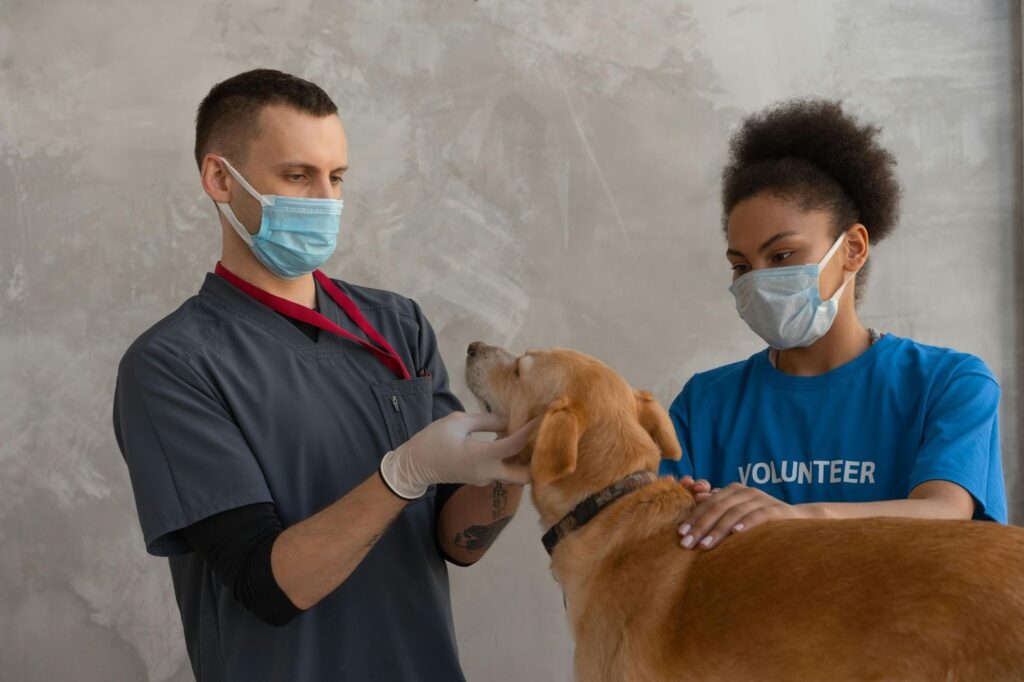
The best medicine is always prevention. Tick prevention for dogs has come a long way, and there are several great options like chewable tablets, topicals, or collars. We find that for our active Vancouver clients, the chewables are often the most convenient and effective. Talk to your vet about which one is right for your dog’s lifestyle. Combining medical prevention with daily checks is the gold standard for safety.
Managing the Bite Site and Potential Infections

After a tick is removed, the site might stay red for a few days. However, if you notice the redness spreading or oozing, it could be a secondary skin infection. Keep the area clean and avoid letting your dog scratch at it. In our dog grooming services, we often see these small scabs and can help parents identify which ones are healing naturally and which ones might need a professional look.
The Importance of Routine Grooming for Detection

Professional grooming is important for the maintenace of a clean coat and a health check. Our groomers spend a significant amount of time touching every inch of your dog’s skin. We have caught many ticks during a standard bath and brush-out that owners had missed. This extra set of expert eyes is an invaluable part of your dog’s wellness team, especially during the spring and fall shedding cycle.
Helping Your Dog Recover from Tick-Borne Illness
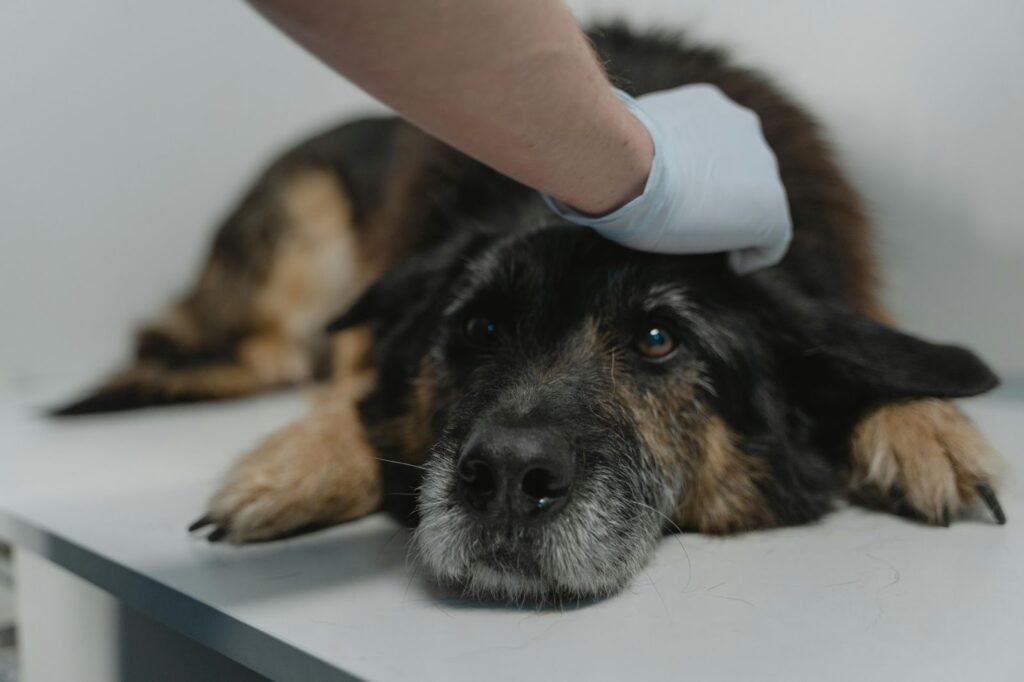
If your dog does test positive for a tick-related illness, the treatment usually involves a course of antibiotics. It is important to remember that these meds can be tough on the gut. We often recommend adding a probiotic to their meals to help keep their digestion stable. During this time, a quiet, stress-free environment can help them get the rest they need to rebuild their strength.
Peace of Mind for Busy Vancouver Dog Parents

We know how much you love your dog and how busy life in the city can be. Between work, travel, and school runs, it’s easy to miss the small stuff. That is why we are here. Whether it is through our daycare, boarding, or grooming services, our goal is to give you peace of mind knowing that your dog is being cared for like family. We take the “responsible” part of pet ownership seriously, so you can enjoy the fun parts of having a pup.
Final Words: Keeping Your Pup Safe In The Great Outdoors

At the end of the day, dealing with tick bites is just a part of living in our beautiful, green corner of the world. By staying consistent with your checks and keeping up with prevention, you can significantly reduce the risks. If you ever find a bump you aren’t sure about, or if you need a trusted place to watch over your pup while you’re away, we are always here to help. Our team is dedicated to keeping your dogs safe and clean so you can breathe a little easier. If you are looking for the best dog daycare in Vancouver for your pet, come visit us in Marpole or create an account on our website to get started!
FAQs About Tick Bites on Dogs
How long does a tick stay on a dog?
A tick will usually stay attached for 3 to 6 days to finish its blood meal, though some can stay for up to two weeks if they aren’t discovered.
Can I get sick from a tick on my dog?
While the tick won’t pass a disease directly from the dog to you, a tick can crawl off your dog and onto you. This is why checking your pet after a walk also protects your human family.
Does a tick bite always mean my dog will get Lyme disease?
No. Not every tick carries disease, and even if it does, it usually needs to be attached for a certain amount of time to transmit the infection. Quick removal is your best defense.
FAQs About DogPlay
Where are you located?
We are at 8849 Selkirk Street in the Marpole neighbourhood of Vancouver, just minutes from YVR and Richmond.
Do you have staff there overnight?
Yes! One of our trained team members stays on-site 24/7, sleeping in a room connected to our boarding suites so your dog is never truly alone.
How do I get started with daycare or boarding?
The best way is to visit dogplay.ca and create an account. Once you’re in our system, we can schedule a Trial Day to make sure our environment is the right fit for your dog.