
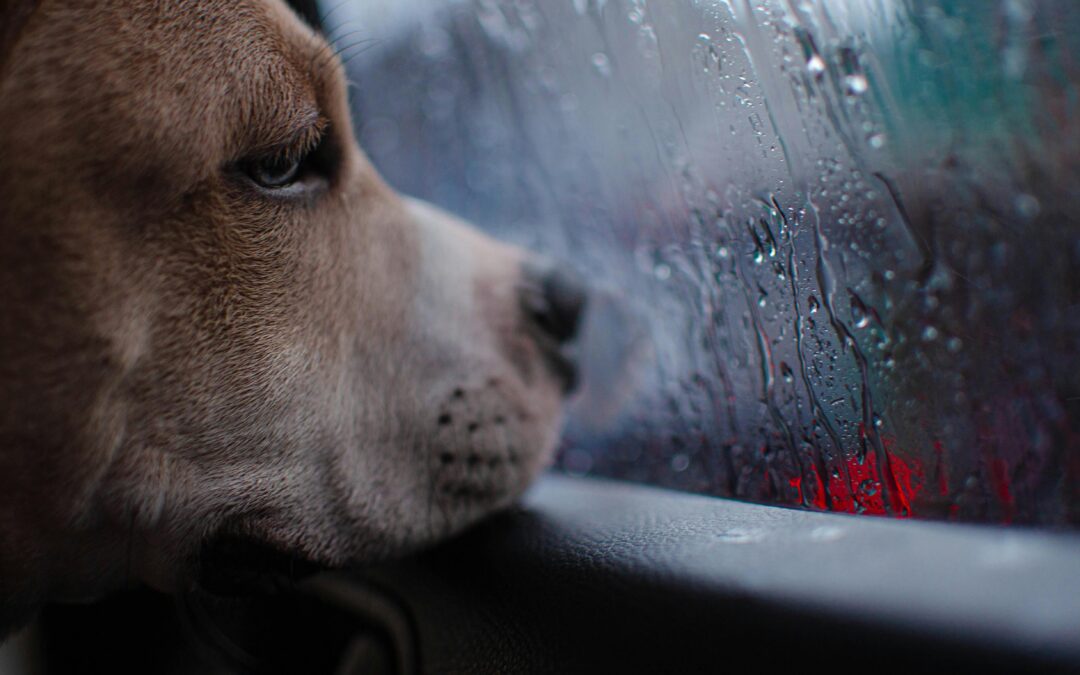
Sad dogs are more common than most dog owners realize. If your pup has been unusually quiet, skipping meals, or showing zero interest in their daily walk, they may be going through a depressive episode. Depression in dogs is real, it’s recognizable, and most dogs recover fully with the right support. At DogPlay’s doggy daycare, we work with dogs every single day and we’ve learned to spot the signs early.
Can Dogs Actually Get Depressed?

Yes, and it happens more often than people expect. While dog depression isn’t a formal medical diagnosis, veterinarians and certified behaviorists widely agree that dogs experience genuine emotional states that closely resemble what we’d call depression in humans.
Dogs are emotionally intelligent animals. They form deep attachments, feel the weight of change, and respond to the world around them in ways that go well beyond basic instinct. When something important disappears from their life or their environment shifts significantly, dogs feel it and sometimes they struggle.
The Most Common Signs of Sad Dogs

The most telling sign is a loss of interest in activities they used to love. A dog who once bolted to the door at the word “walk” and now barely lifts their head is communicating something real. Other signs include decreased appetite, low energy, changes in sleep, and withdrawal from family members. Some dogs become clingy and unusually needy, while others isolate themselves completely.
Physical cues matter too. Droopy eyes, ears pulled back, a low-carried tail, and a general heaviness in how a dog moves are all worth noticing. At DogPlay, we’ve had dogs arrive like this, slower to engage, slower to play, finding a wall to lean against instead of joining the group.
It’s one of the clearer signs that something has shifted for that dog emotionally. Destructive behavior, more frequent accidents in the house, and uncharacteristic irritability can also point to a dog going through genuine emotional distress. A UK study found that 74% of dogs show signs of poor mental health, and only 36% of owners recognize those signals.
What Does a Depressed Dog Look Like in a Daycare Setting?

We’ve had dogs come in after their owner returned to the office full-time after years of working from home, and the difference in those dogs is really noticeable. They come in with their tail low, hang back near the entrance instead of running in to greet the other dogs, and sometimes find a corner and lie down.
Pip is a perfect example of what consistent care can do. She came in very hesitant at first, unsure of the whole experience. Within a couple of weeks, she was leading the way through the doors herself, tail wagging as she headed in for a full day of play. Her owners noticed she had become noticeably more confident and far more comfortable around other dogs. That kind of shift doesn’t happen overnight, but it does happen.
Why Are Dogs Sad? The Most Common Triggers

Depression on dogs is almost always tied to a specific change or loss. The most common triggers include losing a companion (human or canine), major environmental changes like moving homes, the arrival of a new baby or pet, and significant shifts in the owner’s schedule.
In Vancouver, the back-to-office shift affected a lot of dogs deeply. Dogs who had their people home full-time for years suddenly found themselves alone for eight or nine hours a day, and that isolation hit many of them hard. Vancouver winters play a role too.
Months of grey, rainy weather can cut into outdoor time and mental stimulation significantly. Underlying physical illness and chronic pain are also major contributors, which is why a vet visit should always be the first step.
Do Dogs Sense Sadness in the People Around Them?

They do, and research backs it up. Dogs have been bred over thousands of years to be attuned to human emotion, and studies have found that dogs mirror their owners’ stress responses. Do dogs know when you’re sad? Most experienced dog owners would say yes without hesitation, and behavioral science agrees.
This means that if you’re going through a difficult time at home, your dog may begin to reflect that back to you. Dogs are sad when the people they love are sad, and that cycle is worth paying attention to. Taking care of your own well-being is genuinely part of taking care of your dog’s mental health. You can read more about how this connection works through the signs of depression in pets.
Why Is My Dog Acting Strange All of a Sudden?

A dog acting strange out of nowhere is one of the most common things owners describe when they reach out to us. “Strange” usually means a combination of things: less playful, more withdrawn, sleeping in odd spots, not finishing meals, or reacting differently to things they used to enjoy.
The key word is “suddenly.” When behavioral changes are abrupt and don’t have an obvious physical explanation, they’re often emotional. Think about what has changed in your dog’s world recently.
A shift in your work schedule, a houseguest leaving, a sibling dog passing away. Any of these can be enough to trigger a depressive episode. Dogs don’t change their behavior without a reason, and it’s worth slowing down to look for it.
My Dog Is Lethargic and Not Eating: When to Worry
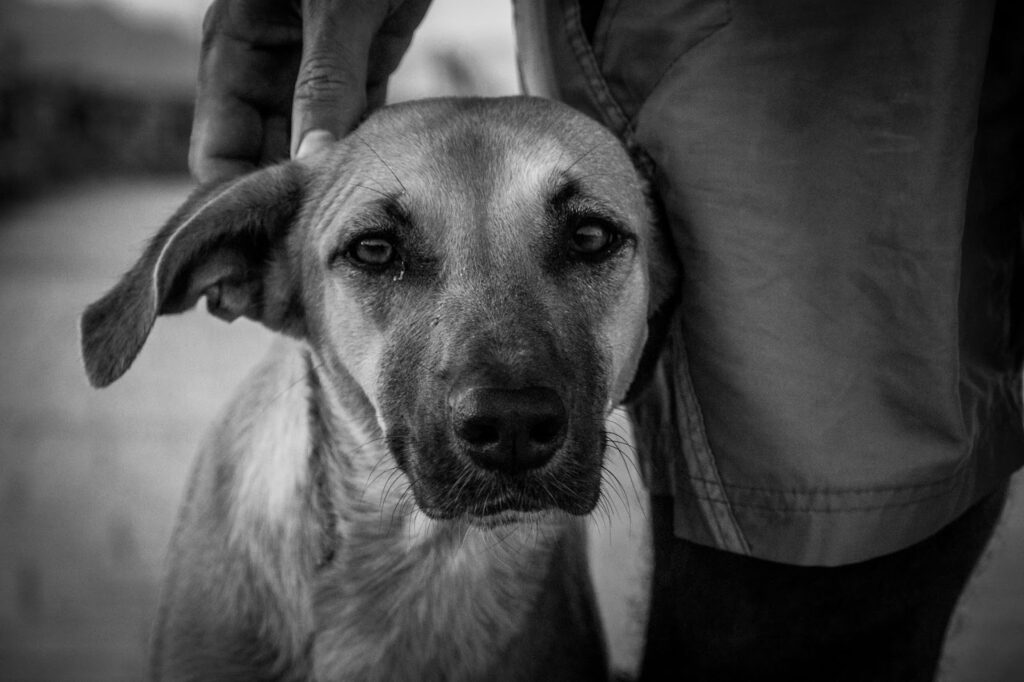
A dog lethargic and not eating for more than 24 to 48 hours needs a vet visit. While these symptoms can be signs of depression, they can also indicate a physical illness that needs to be addressed first. A full physical exam and bloodwork will help your vet determine whether the root cause is medical or behavioral, and that distinction matters for how you move forward.
If your dog gets a clean bill of health and depression is the suspected cause, the focus shifts to enrichment, routine, socialization, and possibly medication. Trying to work through this one at home without professional input isn’t the right move. Get the veterinary guidance first and build a recovery plan from there. At our doggy daycare in Vancouver, we can help you think through next steps once your vet has weighed in.
How to Help a Depressed Dog Feel Like Themselves Again

Once medical causes have been ruled out, there is a lot you can do. Increased exercise is consistently one of the most effective tools, and variety matters. New routes, new smells, and new environments give your dog’s brain something to work with beyond their usual routine. Mental stimulation through puzzle feeders, training sessions, and interactive games works alongside physical activity to genuinely lift a dog’s mood.
Spend extra time with your dog without pressure. Sit near them, offer calm affection, and let them lead the interaction. For dogs who need more social connection and a better quality of life than a busy work week allows, regular daycare visits or overnight dog boarding can bridge that gap in a meaningful way. If symptoms persist beyond two weeks, discuss medication options with your vet.
Medications like fluoxetine are sometimes prescribed and can make a real difference for dogs whose depression is severe enough to affect their daily quality of life. A dog grooming appointment can also help, since the calm one-on-one attention and physical touch of a grooming session can be genuinely soothing for a stressed or withdrawn dog.
How Socialization and Routine Help Dogs Bounce Back

One of the most powerful things you can give a depressed dog is consistency. A predictable routine provides a sense of safety that anxious or withdrawn dogs deeply need, and that stability is foundational to emotional recovery.
Social interaction is equally important, especially for people-oriented breeds like Labs, Goldens, Cavaliers, and Vizslas. These dogs were bred to be with people and other animals, and prolonged isolation affects them more acutely. We’ve watched real transformations happen at DogPlay through consistent social time.
Maple, a rescue who arrived completely shut down, no eye contact, no interest in treats, pressing herself against the wall, began initiating play with other dogs after about a month of regular visits. Her owner cried when she saw the photos from that day. That kind of turnaround is possible when a dog has structure, genuine care, and the chance to simply be a dog again.
Bottom Line: Your Dog Deserves to Feel Good Again
If your dog has been struggling lately, know that you’re not alone and neither are they. Depression in dogs is real, it’s manageable, and most dogs come back to themselves fully with the right combination of veterinary care, enrichment, and consistent connection. The saddest dog we’ve ever seen walk through our doors is now one of our happiest regulars, and your dog can get there too.
If you’re a busy Vancouver dog parent looking for a place where your pup gets genuine social time, daily physical activity, and care from people who actually notice when something seems off, we’d love to meet them. Book a trial day at the best dog daycare in Vancouver and give your dog the daily engagement that makes a real difference.