

Is cheese good for dogs? For most healthy pups, yes. Cheese is safe in small amounts, genuinely useful as a training reward, and enjoyable for the vast majority of dogs. The catch is that not all cheeses are equal, and a few varieties are outright dangerous. This guide covers what is safe, what is risky, and how to use cheese wisely in your dog’s routine. If your pup already spends time at daycare with us at DogPlay, you know firsthand how food-motivated dogs can be during the day.
Key Takeaways
- Most healthy dogs can enjoy cheese in moderation as a treat or training reward
- Mozzarella and cottage cheese are among the safest choices; blue cheese is toxic and should never be given to dogs
- Treats, including cheese, should never exceed 10% of your dog’s total daily caloric intake
- Dogs with pancreatitis, obesity, or dairy sensitivity should avoid cheese entirely
- Soft cheese is one of the most effective tools for hiding daily medication
Is Cheese Good for Dogs? The Short Answer
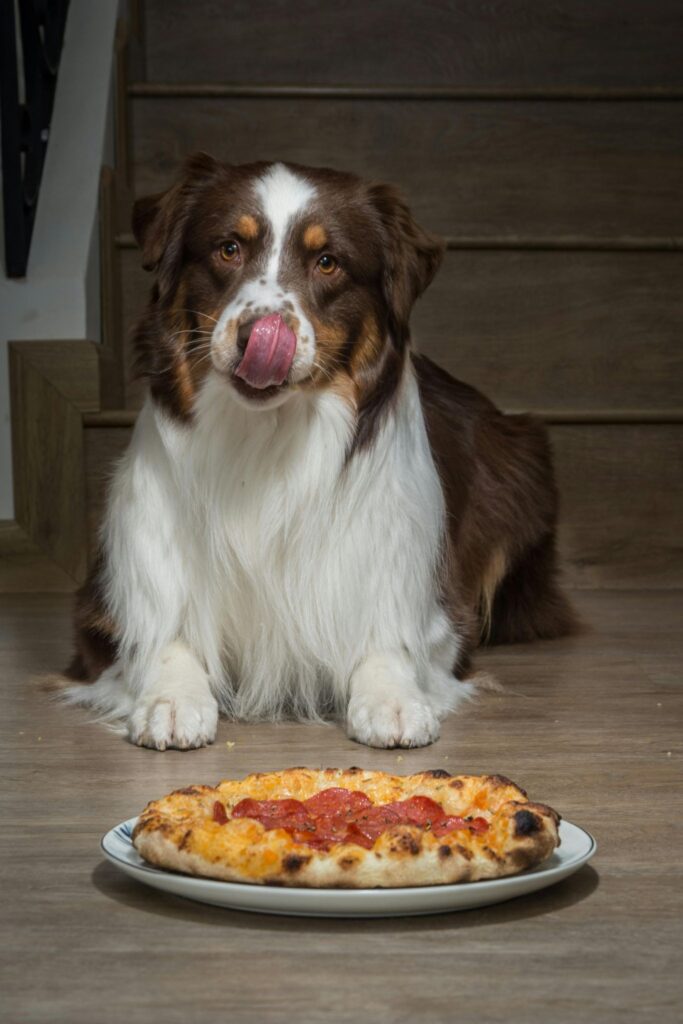
For most dogs, cheese gets a green light with a few important conditions attached. Understanding those conditions is what separates a smart treat habit from one that quietly causes problems over time.
Why Cheese Has Earned a Spot in the Treat Drawer
Cheese is one of the most popular high-value training treats for dogs, and the reason is straightforward. It is pungent, soft, easy to break into tiny pieces, and most dogs go completely wild for it. Professional trainers and veterinary behaviourists have leaned on cheese for years to motivate dogs through recall training, socialization exercises, and complex behaviour work. A single block of mozzarella can stretch across dozens of brief training sessions, making it a cost-effective and convenient option alongside commercial treats.
The Honest Nuance Every Owner Should Know
Is cheese good for dogs as a nutritional staple? No. As an occasional, portion-controlled reward? Absolutely. The dogs who should skip it entirely are those with pancreatitis, lactose sensitivity, obesity, or specific breed predispositions to digestive trouble. For healthy dogs without those concerns, the occasional cheesy reward is perfectly reasonable.
Nutritional Benefits of Cheese for Dogs
Cheese is not just empty calories, and understanding what it actually delivers helps explain why it holds up as a legitimate treat option rather than pure indulgence.
What Cheese Actually Contributes
Cheese contains protein, which supports muscle development and tissue repair. Calcium contributes to strong bones and healthy teeth. B-complex vitamins play a role in energy metabolism, and essential fatty acids support skin health and coat condition. None of these are exclusive to cheese. A complete, balanced dog food covers them all. But knowing they are present in cheese helps explain why a small cube of mozzarella offers more nutritional value than a sugar-based commercial treat.
The Training Connection That Makes Cheese So Effective
The fat content in cheese makes it smell strong and taste rich, which is exactly what you want from a high-value reward during focused training. A plain dry kibble biscuit simply cannot compete when a dog is working through a challenging distraction environment or encountering something new for the first time.
Cottage cheese deserves a special mention here. Because it is lower in fat and very gentle on the stomach, vets and trainers often recommend it for dogs recovering from illness or digestive upset. Most dogs find it palatable even when they are not feeling their best, and the protein content supports recovery without stressing the digestive system.
The Real Risks of Feeding Cheese to Dogs

Cheese is not without its downsides, and knowing the risks helps you make smarter choices at the grocery store and at treat time.
High Fat Content and the Pancreatitis Risk
The biggest concern with cheese is fat. Certain breeds, including Miniature Schnauzers, Cocker Spaniels, and Yorkshire Terriers, are genetically predisposed to pancreatitis in dogs, a painful inflammation of the pancreas that a single high-fat treat can trigger. Even in dogs without that predisposition, regular large servings of cheese can contribute to weight gain over time and create a cumulative health burden that is easy to overlook.
Lactose Intolerance in Dogs
Lactose intolerance in dogs is more common than most owners realize. Many adult dogs do not produce enough lactase to digest dairy comfortably, and symptoms often look like general tummy trouble: loose stools, gas, bloating, and vomiting within a few hours of eating dairy. Puppies handle dairy better because they still produce lactase while nursing, but production naturally declines as dogs mature.
The practical approach is to start with a very small amount of a low-lactose variety and watch for any symptoms over the following 24 hours before making cheese a regular habit.
Sodium, Additives, and Genuinely Toxic Ingredients
Aged and processed cheeses carry significant sodium loads. High sodium intake causes excessive thirst and, in larger quantities, contributes to sodium toxicity. More urgently, some cheeses are seasoned with garlic, onion, or chives. These ingredients are genuinely toxic to dogs, not just mildly irritating. They damage red blood cells and can cause hemolytic anemia. Flavoured cream cheeses and spreads sometimes also contain xylitol, an artificial sweetener that is extremely dangerous to dogs. Always check ingredient labels on anything beyond plain block cheese before sharing.
Which Cheeses Are Safe for Dogs

Not all cheeses carry equal risk, and knowing the difference makes it easy to shop smartly and treat confidently.
Safe vs. Unsafe Cheeses for Dogs
| Safe to Offer (in moderation) | Avoid Entirely |
| Mozzarella (low fat, low sodium) | Blue cheese (roquefortine C toxicity) |
| Cottage cheese (gentle on stomach) | Brie and Camembert (very high fat) |
| Soft goat cheese (lower lactose) | Processed cheese slices (additives, high sodium) |
| Aged cheddar or Swiss (low lactose) | Any cheese with garlic, onion, chives, or xylitol |
The safest choices share three traits: lower fat, lower sodium, and lower lactose. Hard aged cheeses like cheddar and Swiss are reasonably tolerated because the aging process breaks down much of the lactose. Blue cheese is a hard no at any quantity. As it ripens, it produces roquefortine C, a compound toxic to dogs that can cause vomiting, diarrhea, high fever, and in severe cases, seizures.
How Much Cheese Can Dogs Eat?

Portion control is where most well-meaning owners go wrong with cheese. The calories and fat add up faster than most people expect.
Portion Guidelines by Dog Size
The 10% rule applies here. Treats of any kind, including cheese, should never make up more than 10% of your dog’s total daily caloric intake. In practice, that looks something like this:
- Small dogs (under 20 lbs): one or two pea-sized pieces per day, at most
- Medium dogs (20 to 50 lbs): a few thumbnail-sized pieces
- Large dogs (over 50 lbs): slightly more, but moderation still applies
Cheese is calorie-dense, and those calories add up fast when treats are offered daily. For dogs spending time at dog boarding and receiving treats from multiple caregivers throughout the day, it is worth communicating your pup’s treat limits clearly at drop-off.
How Often Is Too Often?
Frequency matters as much as portion size. A dog who gets small amounts of cheese every single day is consuming far more fat and sodium over a week than one who gets it as an occasional special reward. Think of cheese as a high-value treat reserved for focused training sessions, vet visits, or nail trims, not something to offer every time those puppy eyes appear at the kitchen counter.
Can Puppies Eat Cheese?

Puppies and adult dogs respond to cheese differently, and the distinction is worth understanding before you hand over that first piece.
Puppies and Dairy Tolerance
Puppies tolerate dairy better than adult dogs because they still produce active lactase. That said, their digestive systems are still developing and tend to be more reactive to new foods in general. Introduce cheese slowly, keep portions extremely small, and avoid high-fat varieties during the puppy stage. Cheese is a treat, not a nutrition source.
Puppies need a complete, balanced puppy formula to support healthy growth. If your puppy shows signs of food sensitivities early on, discuss dairy with your vet before exploring it further. If you notice dog diarrhea and loose stools after introducing something new, find out what is going on and when it is worth a call to the vet.
Using Cheese in Puppy Training
Cheese is genuinely useful in early socialization and basic command training. The strong smell and soft texture make it highly motivating for young dogs working through their first cues. Keep pieces tiny, almost crumb-sized, so training sessions do not add up to a significant caloric load. In group settings, small food rewards help puppies associate new environments and people with positive experiences, which builds the confident, social temperament you want to see develop over time.
Using Cheese to Hide Medication
This is one of the most practical uses of cheese for dogs, and one that most general guides overlook entirely.
The Pill Pocket Method
Soft cheese is one of the most effective tools for disguising pills. The method is simple: pinch off a small amount of cream cheese or mozzarella, press the pill into the centre, seal the cheese completely around it, and offer it by hand. The fat content and strong smell mask the pill’s taste and texture well enough that most dogs swallow it without hesitation. This is especially useful for senior dogs on daily medications, where pill compliance can otherwise feel like a daily battle.
Always confirm with your veterinarian before using cheese this way, since some medications interact with dairy. Dogs with full lactose intolerance should not rely on this approach for long-term daily prescriptions.
Tips for Dogs Who Have Figured Out the Trick
Some dogs are clever enough to eat the cheese and spit out the pill with impressive precision. A sequencing approach helps here: offer one plain piece of cheese first, then the pill-wrapped piece, then immediately follow with another plain piece. The rapid sequence usually prevents the dog from pausing to investigate. For dogs who truly cannot tolerate dairy, soft vegetables can serve as an alternative wrapping when medication compliance is the priority.
How to Feed Cheese to Your Dog Safely
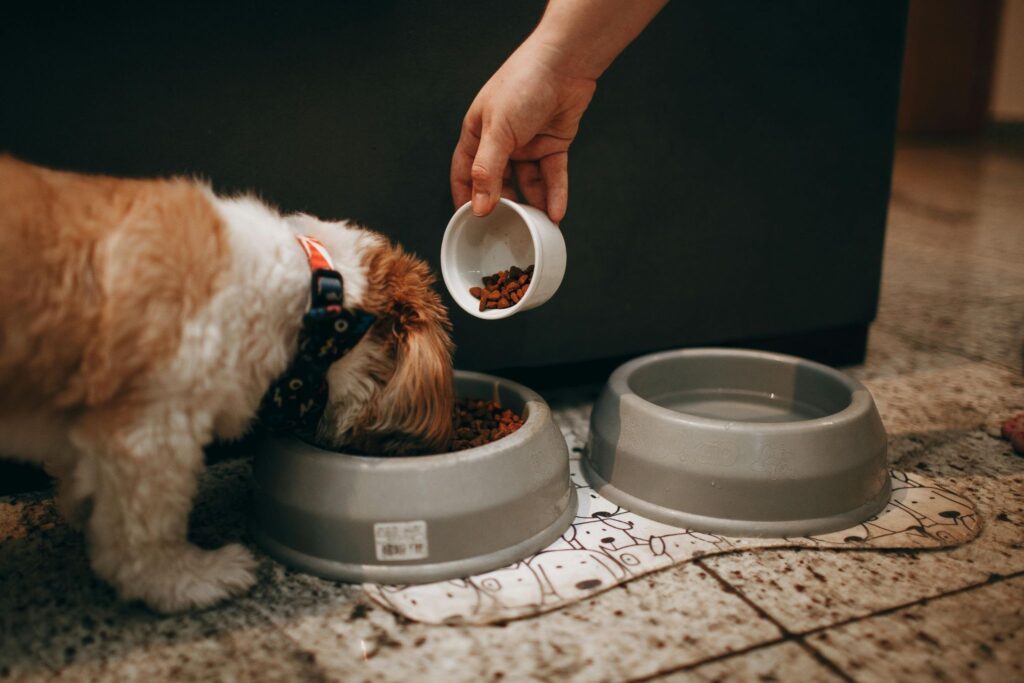
A few consistent habits make all the difference between cheese being a smart treat choice and a source of ongoing digestive trouble.
Habits Worth Building From the Start
Choose low-fat, low-sodium varieties as your default, and start with a small test amount the first time to gauge your individual dog’s tolerance. Avoid any cheese with toxic additives, and check ingredient labels on flavoured or spreadable products before assuming they are plain. Never offer cheese to dogs with a known history of pancreatitis, obesity, or dairy sensitivity.
After introducing cheese for the first time, watch for digestive symptoms over the following 24 hours. If your dog is on medication, confirm with your vet that dairy is compatible before cheese becomes part of the routine.
For a complete look at how treats fit into a balanced diet, this overview of healthy nutrition guidelines for dogs from VCA Canada is a helpful starting point. When you want your dog looking and feeling their best alongside a solid nutrition routine, book a grooming appointment at DogPlay and let our team take care of the rest.
Your Dog Deserves Treats That Actually Work for Them

Is cheese good for dogs when it is used thoughtfully? Without question. Mozzarella, cottage cheese, and soft goat cheese are safe, practical choices for most healthy pups. Blue cheese, anything containing garlic or xylitol, and heavily processed spreads belong firmly off the menu.
The best treat strategy is a straightforward one: know your dog’s individual tolerance, keep portions honest, choose quality over quantity, and let cheese serve its best purpose as a motivator and reward rather than a dietary staple.
At DogPlay, we love helping dogs thrive in every part of their day, from enrichment during daycare to comfortable overnights in boarding. If you are ready to give your pup the care and attention they deserve, contact us to book a meet and greet. We are located in Marpole at 8849 Selkirk Street, and we would love to meet your dog.Looking for a trusted dog daycare in Vancouver? Come say hello.