
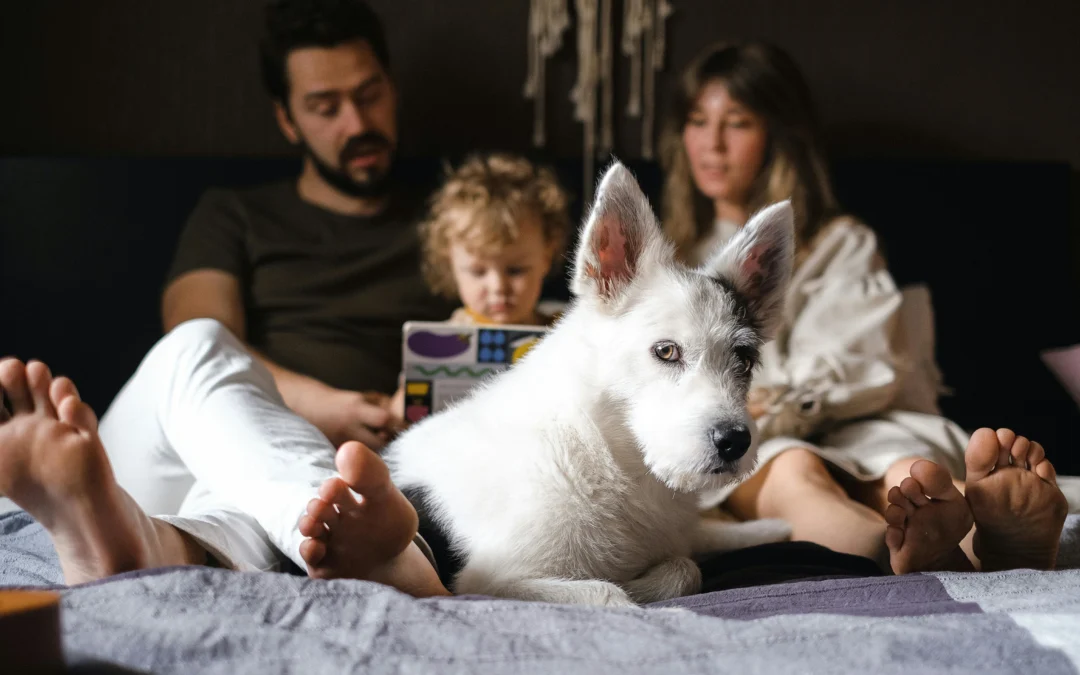
Not sure which dog actually fits your family? You are not alone. The right breed depends far less on what looks great on a list and far more on your real daily life. Whether you have toddlers, a one-bedroom condo in Marpole, or a yard full of energetic kids, there is a genuinely great family dog out there for you. These are the ideal family dogs worth knowing, and how to figure out which one belongs in your home. If you are already exploring dog daycare in Marpole to support your new pup’s socialisation, you are already thinking about this the right way.
Key Takeaways
- The best family breed comes from honest lifestyle assessment, not just a cute face
- Recommended family dogs like Golden Retrievers, Labs, and Bernese Mountain Dogs are popular because they genuinely earn it
- Best dogs for first-time dog owners are forgiving, trainable, and recover quickly from the unpredictability of family life
- Socialisation and consistent training matter more than any breed profile
- Vancouver condo living changes the equation, and some breeds adapt far better than others
What Makes a Dog Truly Family-Friendly?
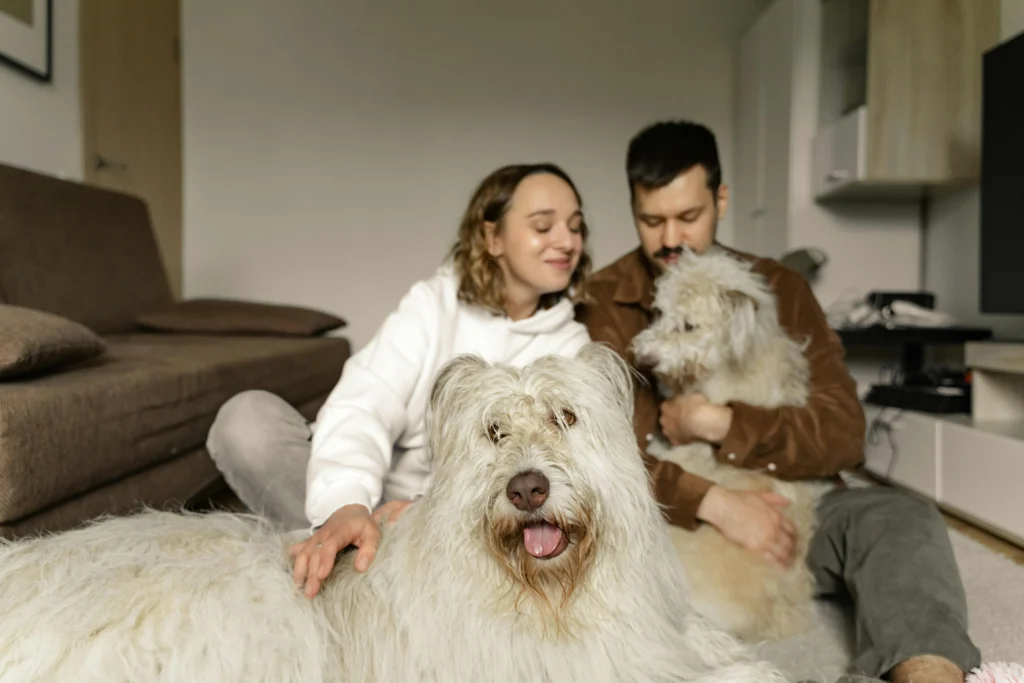
The most common mistake families make is choosing a breed based on how it looks in photos or how it ranks on a generic list. What actually makes a dog what is a great family dog material is a combination of temperament, energy, and resilience that plays out in real daily life, not in a curated breed description.
Temperament Is Everything
The kindest dogs for families share one quality above all else: they recover quickly. When a toddler trips over them, when the doorbell sends children sprinting through the hallway, when a Saturday afternoon gets genuinely chaotic, a family-friendly dog finds its feet again fast. That emotional recovery speed is what separates a dog that thrives in a busy household from one that becomes anxious, reactive, or withdrawn over time.
At DogPlay, we see this play out every single day. Golden Retrievers and Labrador Retrievers walk into group daycare on their first visit like they have been coming for years. They read the room, engage comfortably with other dogs, and bounce back without drama when something startles them. That social confidence is not just convenient in a professional setting. It is precisely what makes them so manageable at home around children of all ages and temperaments.
Reliability Over Reputation
Predictable temperament also means consistency. The friendliest dog breeds for families are not just gentle on calm weekday evenings. They are reliably gentle on hectic school mornings, during birthday parties, and through teething toddler phases. That reliability is what families are really looking for, even when they think they are just looking for a dog that is good with kids.
Energy Matching Matters More Than Size

Families tend to focus on size when picking a breed, but energy level is the more important variable for daily life. A high-energy breed in a home that cannot consistently meet its needs will find its own outlets, and those outlets rarely improve the furniture situation. What are the most playful dog breeds? Boxers, Border Collies, Vizslas, and Siberian Huskies all rank high on that list. They are wonderful dogs, but they require a household that genuinely has the time and commitment to match that output every single day.
The families we see thriving most often are not necessarily the ones with the biggest yards. They are the ones who chose a breed that honestly reflects their actual week, not their ideal week. Two working parents with young children, school pickups, and packed evenings need a dog with a moderate, manageable energy level. Choosing the most athletic breed available because it seemed exciting at the time is one of the most common mismatches we see come through our doors.
The Puppy Phase Nobody Warns You About
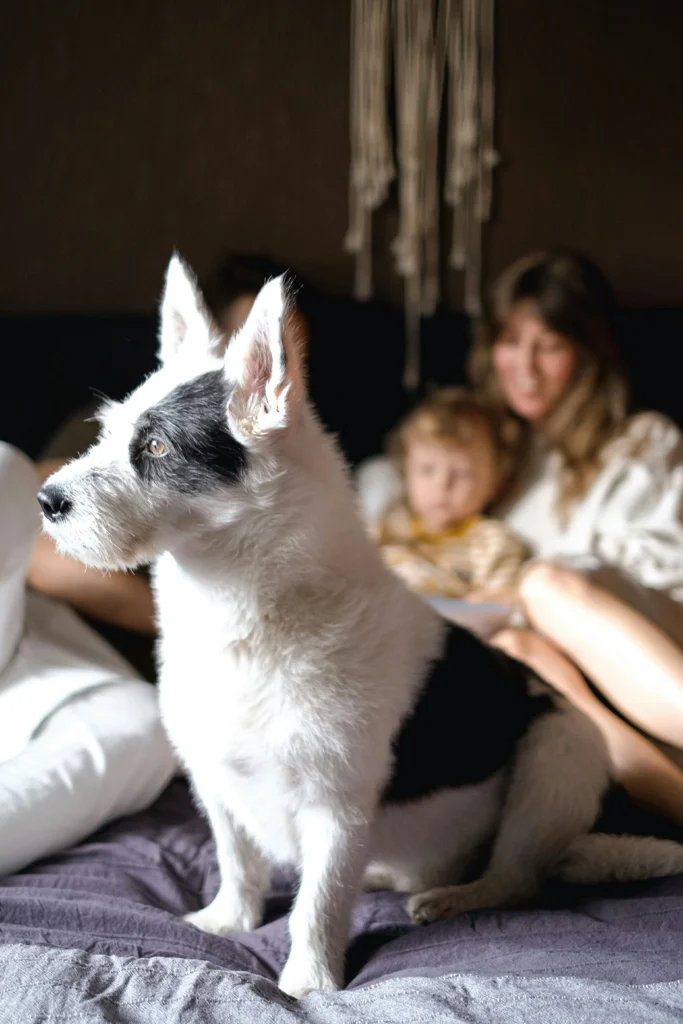
First-time families are often prepared for a puppy in theory but genuinely surprised by it in practice. Even the most top family dogs bite, jump, and bowl small children over during their first several months without any aggressive intent whatsoever. That phase passes, but it is real and it matters to understand before you commit.
Puppies from sociable best family breed lines engage fast and hard in group settings precisely because they have not yet learned to read signals from other dogs or from children. Early socialisation, consistent positive reinforcement training, and patience during those first months are what bridge the gap between a puppy with good genetics and a dog that genuinely earns its place as a beloved family member. The breed gives you a probability. Everything after that is a product of the household.
Ideal Family Dogs That Thrive in Vancouver Homes
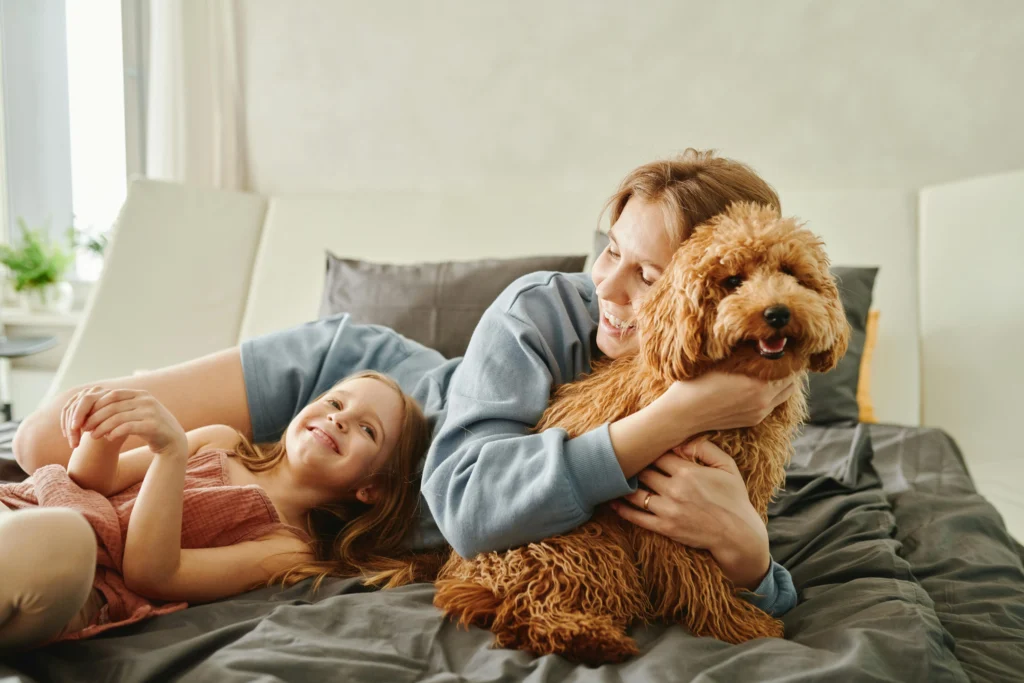
Vancouver’s urban density, rainy winters, and condo-heavy neighbourhoods create a specific set of conditions that generic breed lists do not account for. What is the best family dogs answer for a Marpole family in a two-bedroom apartment looks meaningfully different from what suits a household in South Surrey with half an acre. That local context genuinely changes the conversation.
The Classics That Consistently Deliver
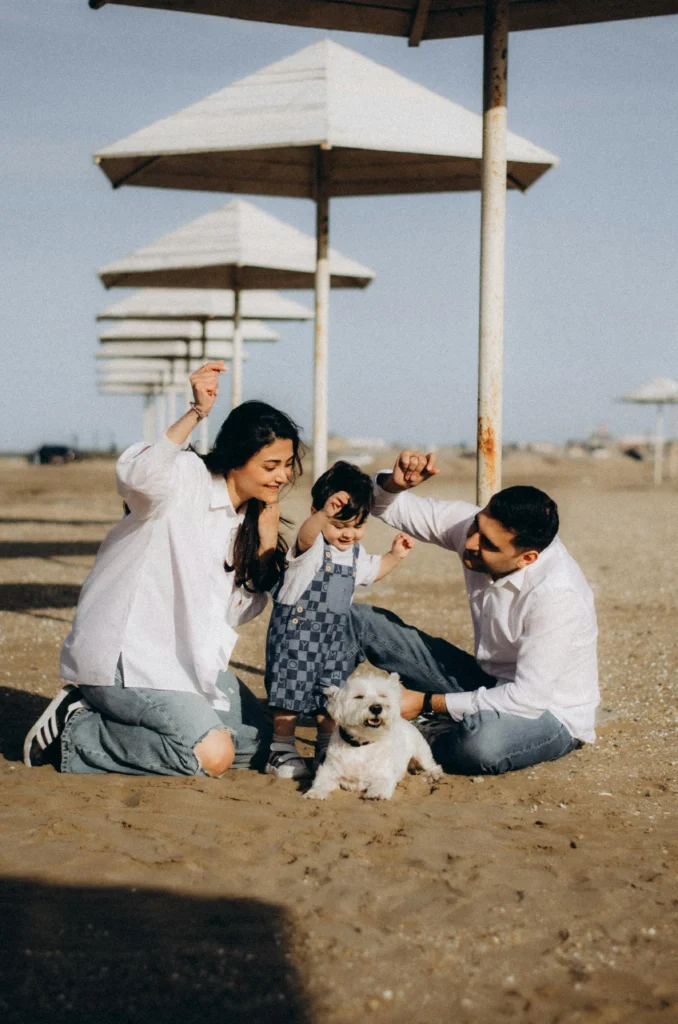
Some breeds have earned their reputation through decades of consistent performance, not just clever marketing. What are the best dog breeds for families that professionals recommend again and again? A handful of names come up every time, and the reasons are worth understanding.
Golden Retrievers are forgiving, gentle, and deeply people-oriented. They adapt their energy to whatever the room needs, shifting from backyard zoomies with kids to calm, steady cuddles on the couch without missing a beat. At DogPlay, we have watched Golden Retrievers like Lucky slot naturally into family routines and group daycare settings alike, and that ease is not accidental. It is bred in.
Labrador Retrievers bring the same warmth with a slightly more athletic edge. They are consistently ranked among the best dogs for kids across all age groups, from toddlers through to teenagers, and their eager, trainable nature makes them one of the strongest choices for best dogs for first-time dog owners as well. They forgive beginner handling mistakes without developing difficult behavioural patterns, which matters enormously when you are figuring things out as you go.
Bernese Mountain Dogs are the gentle giants that deserve more attention in the family dog conversation. They are calm in a way that actually settles the energy of the dogs around them. Deeply bonded to their families, they are attentive and watchful without tipping into reactivity or anxiety. For families interested in best dogs for protection and family, Berners deliver a naturally watchful presence without the intensive training demands that come with a dedicated guarding breed.
Beagles consistently surprise people who have not lived with one. Small and sturdy, socially confident, and remarkably unbothered by the noise and movement that come with a house full of children, they are more resilient than their compact size suggests. Their scent-driven curiosity also makes them excellent candidates for enrichment activities, which matters a great deal in urban settings where long off-leash runs are not always accessible.
Smaller Breeds for Condo Living
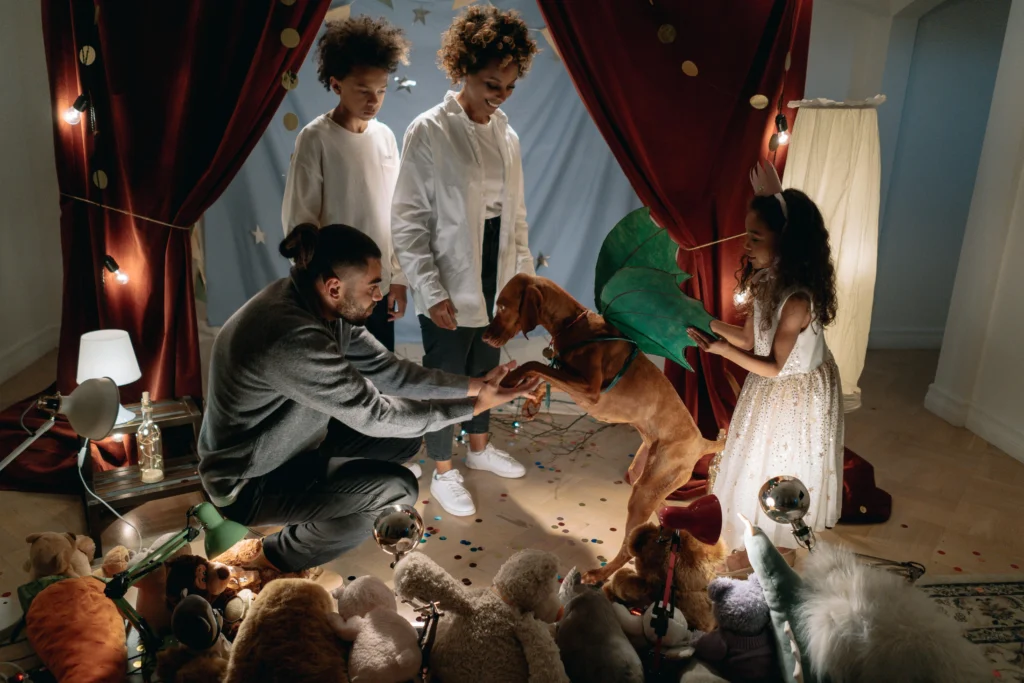
Vancouver is a condo city, and breed selection in a smaller living space deserves a genuinely honest conversation. The best dogs for first-time owners in an apartment context are not always the same breeds that thrive in a suburban house with a yard and a garden. Space shapes what is realistic, and choosing accordingly makes life better for everyone, including the dog.
Cavalier King Charles Spaniels are among the most well-suited breeds for urban family life. They are small enough for compact spaces, sturdy enough for gentle play with younger children, and calm enough to be genuinely content with regular walks rather than demanding hours of vigorous outdoor exercise. Families who bring their Cavaliers to our DogPlay dog grooming services regularly will find them among the most settled, easy-going dogs in any room.
Havanese are another excellent choice for condo families. Playful and affectionate without being relentless about it, their low-shedding coats make them practical for smaller spaces, and at 7 to 13 pounds, they travel easily and adapt naturally to the rhythms of a busy Vancouver household.
French Bulldogs and Pugs round out the compact, urban-friendly options. Neither requires intense daily exercise, both are genuinely sociable, and both tend to do well in the sensory-rich environment of a lively household. Health monitoring is important for brachycephalic breeds, but for the right family in the right living situation, they are deeply rewarding companions.
Good Guard and Family Dogs: What That Actually Looks Like
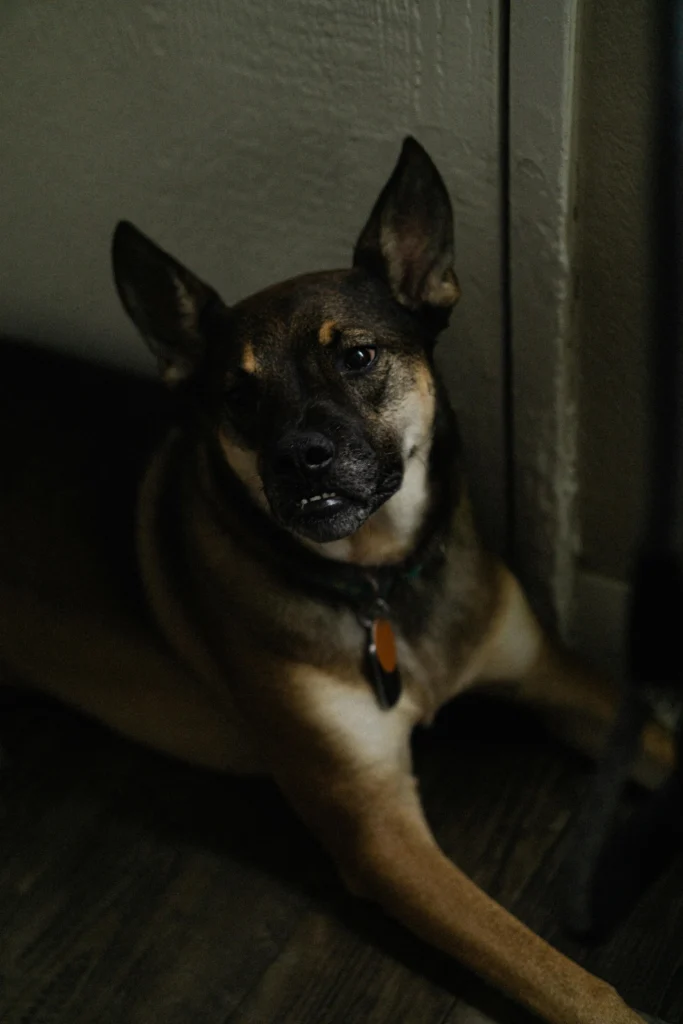
Families who ask about good guard and family dogs are rarely looking for an aggressive dog. What they actually want is a breed that is deeply bonded to the household, naturally attentive, and a credible deterrent without requiring specialised protection training or raising safety concerns around children.
Bernese Mountain Dogs tick that box consistently. They notice everything, and they tend to position themselves between their family and anything unfamiliar, not out of aggression but out of genuine attachment. Labrador Retrievers are not traditional guard dogs by any measure, but their size, their bark, and their fierce loyalty to the people they love make them a natural deterrent in practice. German Shepherds come up frequently in this conversation and can be outstanding family dogs, but they need experienced handling and a household that provides consistent structure and clear expectations from day one.
What Dog Is Right for Me? Matching Breed to Your Real Life
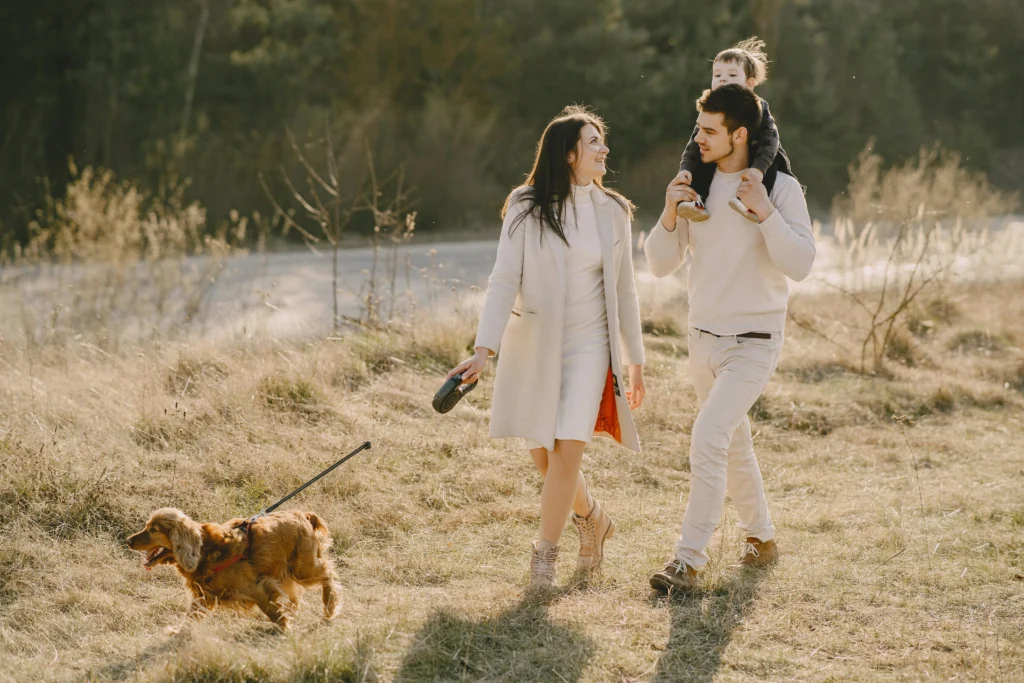
It starts with a clear-eyed look at your household, your schedule, and what you can realistically commit to week after week.
What Dog Is Good for Me If I Have Young Kids?
If you have children under eight and you have never owned a dog before, your first filter should be temperament and trainability, not appearance. What is a great family dog in this context? Look for breeds that are forgiving of unpredictable behaviour, recover quickly from startling moments, and are known for tolerating the enthusiastic and occasionally rough physical affection that young children bring before they have learned better.
Golden Retrievers, Labrador Retrievers, Cavalier King Charles Spaniels, and Beagles all score consistently well here. They are among the friendliest dog breeds in both professional assessments and real-world family experience, and they share a quality that matters enormously around young kids: they do not hold grudges.
What no breed profile can provide is socialisation and training. At DogPlay, we see well-bred dogs from excellent recommended family dogs lines struggle because they did not receive early, consistent exposure to other dogs, children, and new environments. We also see dogs of modest pedigree thrive because their owners invested early and showed up consistently. When looking into what veterinary experts recommend when selecting a family dog, temperament assessment and early socialisation are among the strongest predictors of long-term success in family settings, more reliable even than breed selection alone.
What Is the Best Dog for First-Time Owners?
Ultimately, it comes down to two things: trainability and forgiveness. First-time owners make mistakes, and the breed you choose needs to absorb those mistakes without developing entrenched behavioural problems as a result.
Labrador Retrievers and Golden Retrievers are the most consistently recommended answer for very good reason. They are highly trainable, motivated by food and praise, and genuinely eager to connect with their people. Standard Poodles are another strong choice: ranked among the most intelligent breeds, they respond beautifully to positive reinforcement and form deep, lasting family bonds. Cavalier King Charles Spaniels and Beagles round out the list of forgiving, practical starting points for families new to dog ownership.
One piece of advice we give to every first-time family: enrol in a training class early, and look into DogPlay dog boarding and daycare options before you need them in a crisis. Having a reliable place where your dog is known, comfortable, and well cared for is part of setting your entire family up for long-term success.
What Are the Most Playful Dog Breeds?
For families with older children who want a genuinely energetic, active playmate, “What are the most playful dog breeds?” is a fair and practical question. Boxers are famously puppylike well into adulthood, and their physical enthusiasm is both their greatest charm and the thing that requires the most management around younger kids. Vizslas are shadow dogs who want to be wherever their family is, constantly moving and engaged. Labrador Retrievers maintain their playful energy well into middle age, making them an excellent long-term fit for active families.
The key is pairing that playfulness with the right outlet. Regular visits to a dog daycare in Vancouver do extraordinary things for higher-energy breeds in urban settings. Channelling their social and physical drive in a structured, supervised environment means the energy they bring home is settled and satisfied rather than frantic and searching for an outlet.
Your Dog Is Waiting. Let’s Make Sure It’s the Right One.
The families we see building genuinely wonderful lives with their dogs are not always the ones who picked the most popular breed or spent the most on a puppy. They are the ones who asked the harder questions first, chose honestly, prepared intentionally, and kept showing up through every phase.
At DogPlay, we have watched hundreds of Vancouver families welcome new dogs into their homes, and we have seen what makes the difference. If you are still working through what dog is suitable for me, come and talk to us. Reach out to us to book a tour of our Marpole facility and see what a well-socialised, well-matched family dog looks like in real life. We would love to be part of your dog’s story from the very beginning.
FAQs About Family Dogs

Is it better to get a puppy or an adult dog for a family?
Both can work beautifully depending on your household. Puppies allow you to shape socialisation and behaviour from the start, but adult dogs often settle into family life faster because their personality is fully formed and the unpredictability of the puppy phase is behind them.
How important is training for a family dog?
Genuinely essential. Even the most naturally gentle breed benefits enormously from early, consistent positive reinforcement training. It builds confidence in the dog and gives the whole family a shared, reliable way to communicate.
Can apartment dogs be good family dogs?
Absolutely. Breeds like Cavalier King Charles Spaniels, Havanese, and French Bulldogs adapt very well to smaller spaces and make wonderful family companions. We make sure that dogs of all life stages benefit from dog daycare. They receive regular exercise, mental stimulation, and consistent social time.