
If you or someone in your family has allergies, hypoallergenic dogs can genuinely make a difference. These low-shedding breeds release fewer allergens into your home, which reduces reactions for many allergy sufferers.
No dog is completely allergen-free, but the right breed choice combined with consistent care goes a long way. At DogPlay, we care for and groom dozens of low-shedding breeds every single week, and here’s what we’ve learned about what actually works and what owners often get wrong.
Hypoallergenic Dogs: Sorting Fact from Fiction

Most people think dog hair is the main problem, but the real culprits are the proteins found in a dog’s saliva, skin oils, and urine. These proteins hitch a ride on shed hair and dander, spreading all over your home.
When you look at a hypoallergenic dogs list, you are really just looking at lower-shedding breeds. Because they drop less hair, fewer allergens end up floating around your living space. This definitely helps reduce allergic reactions, but it does not mean the dog is completely allergy-free.
It is also helpful to know that allergen levels change from dog to dog. You might react to one Poodle and feel perfectly fine around another. Understanding the science behind why specific dog allergens affect people differently can save you a lot of frustration as you search for the right match.
What Dog Breeds Are Hypoallergenic?
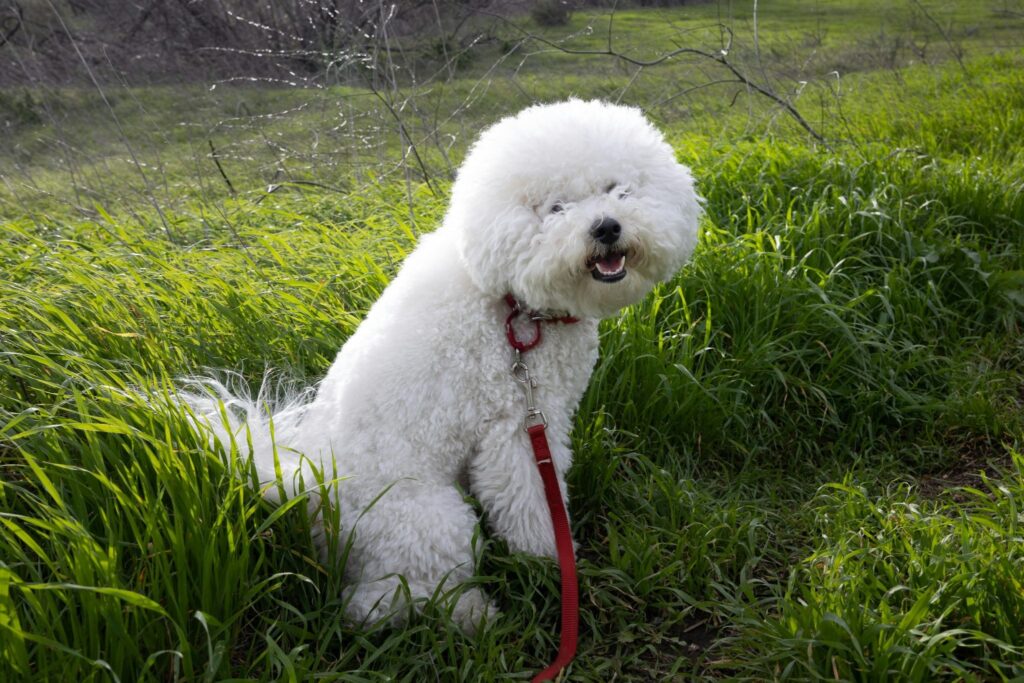
When owners ask us what dog breeds are hypoallergenic, our honest answer is that no breed is fully hypoallergenic, but some are significantly better suited to allergy-sensitive households than others. The breeds of hypoallergenic dogs we groom and care for most often at DogPlay include:
- Poodles (standard, miniature, and toy) — consistently low-shedding, highly trainable, and one of the most reliable choices for allergy sufferers
- Bichon Frise — a brilliant small hypoallergenic dog that adapts well to apartment living in Vancouver
- Schnauzers — available in miniature, standard, and giant sizes, making them one of the more versatile hypoallergenic dog breeds non-shedding options for different family sizes
- Portuguese Water Dogs — active, intelligent, and genuinely low-shedding with a coat that holds up well in Vancouver’s damp climate
- Shih Tzu and Maltese — popular miniature hypoallergenic dogs that shed minimally but require dedicated coat maintenance
- Labradoodles and Goldendoodles — among the most popular large hypoallergenic dogs we see in Marpole and across Vancouver; their coat type depends heavily on which parent breed they take after, so individual variation is real
- Bernedoodles and Cavapoos — two breeds we’re seeing more and more of at DogPlay; Bernedoodles are a Bernese Mountain Dog and Poodle cross that tend to be gentle, low-shedding, and great with families, while Cavapoos bring the calm temperament of the Cavalier King Charles Spaniel together with the Poodle’s low-allergen coat in a compact, apartment-friendly size
Good hypoallergenic dogs are ultimately less about any single breed and more about finding the right match for your lifestyle, living space, and allergy severity.
Are Dachshunds and Cockapoos Hypoallergenic?
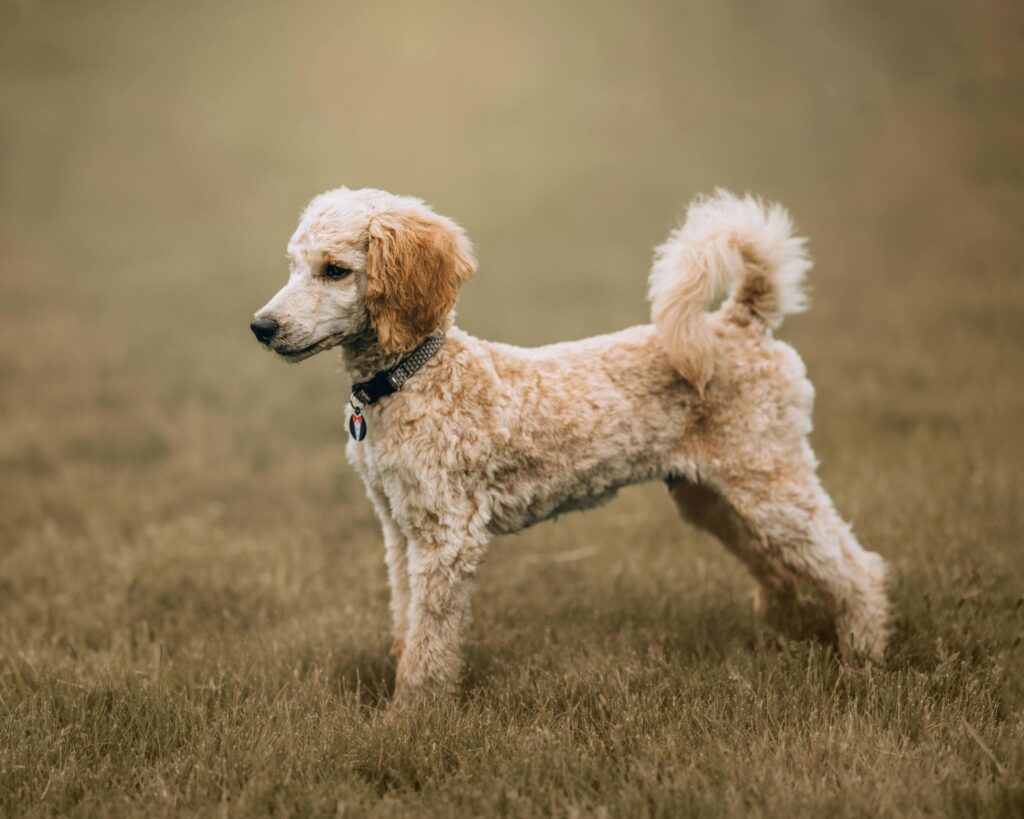
These are two of the most common questions we hear at DogPlay. Are dachshunds hypoallergenic dogs? No. Dachshunds are moderate to heavy shedders depending on their coat type and are not considered a low-allergen option. If you love the breed but have pet allergies, spending extended time with a specific dog before committing is even more important than usual.
Are cockapoos hypoallergenic dogs? Generally yes, more so than many breeds. As a cross between a Cocker Spaniel and a Poodle, their coat type depends heavily on which parent breed dominates. A Poodle-dominant cockapoo will shed very little and is a strong choice for allergy-sensitive families. A coat that leans toward the Cocker Spaniel side will shed more. Asking to see the parents and spending time with the individual puppy is always our recommendation before you bring one home.
Your Breed Choice Is Only Half the Story
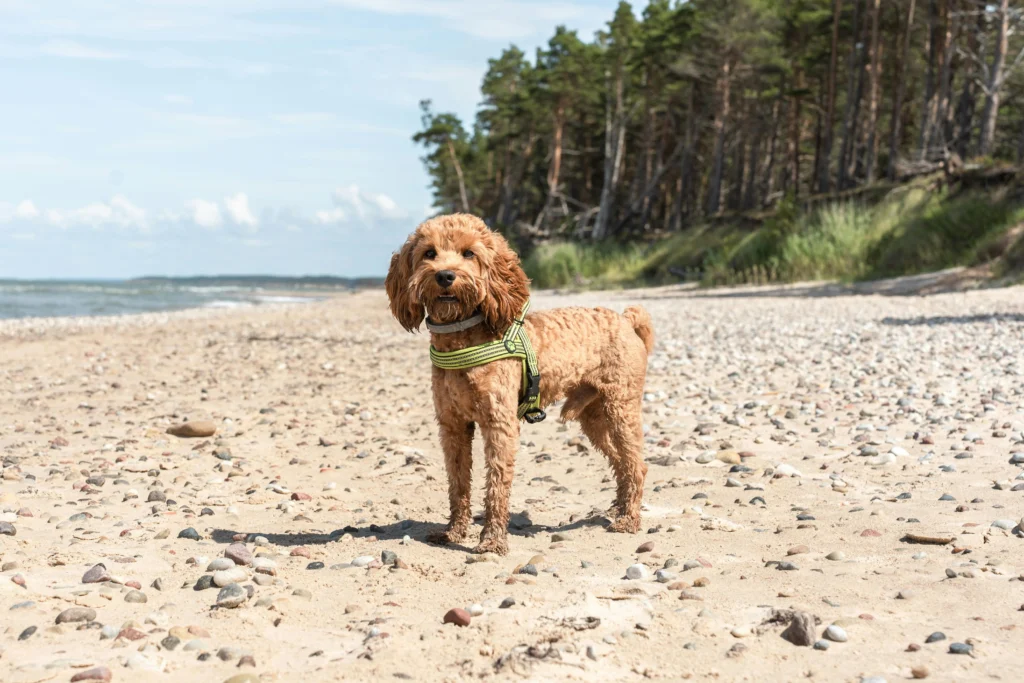
Selecting a low-shedding breed puts you in a strong position, but what happens after you bring that dog home matters just as much for keeping allergen levels manageable day to day.
Why Grooming Is Non-Negotiable for Low-Shedding Coats
This is the part most owners don’t fully anticipate. Low-shedding coats don’t fall out naturally the way a Labrador’s coat does. Instead, dead hair stays in the coat and, without regular brushing and grooming, it mats. A matted coat traps dander, moisture, and debris close to the skin, which is the opposite of what an allergy-sensitive household needs.
We had a client named Claire who came to DogPlay almost ready to rehome her Goldendoodle because her allergy symptoms had become unmanageable. When we assessed the dog, the coat was significantly matted and hadn’t been properly groomed in months. We put her on a six-week professional grooming schedule with a simple at-home brushing routine in between. Within two months her symptoms had reduced noticeably. The dog stayed. That outcome is far more common than people realise.
For the most popular low-shedding coat types, a realistic grooming routine looks like this:
- Poodles and Doodle crosses: professional groom every six to eight weeks, at-home brushing at least three times per week
- Bichon Frise: professional groom every six to eight weeks, regular brushing to prevent tangles
- Schnauzers: professional groom every eight to ten weeks, with attention to the beard and leg furnishings between appointments
- Shih Tzu and Maltese in longer coats: daily brushing; a shorter trim is easier to maintain and genuinely better for allergen control
What We Tell Allergy-Sensitive Owners Before They Commit
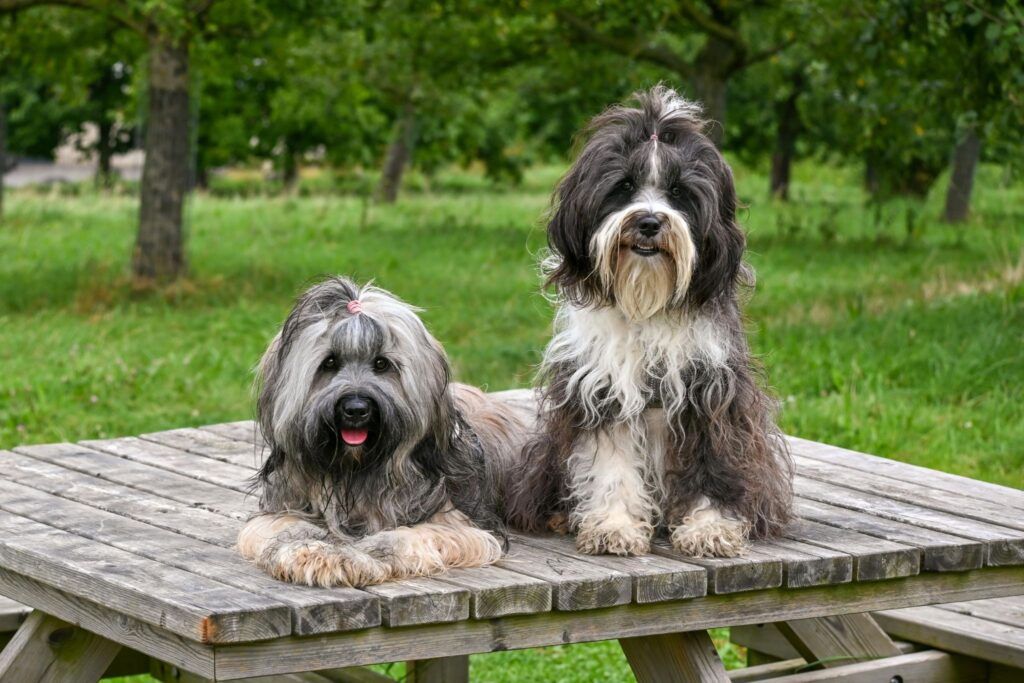
Spend time with the specific dog before you decide, not just the breed. Allergen levels vary between individual dogs, and no list can predict how your immune system will respond to a particular animal. Visit the breeder or rescue and spend a few hours with the dog in an enclosed space. Your body will tell you more than any article can.
Once you have found the right dog, consistent grooming is the single most effective ongoing step you can take. If you are dog daycare in Vancouver and looking for a facility that genuinely understands low-shedding coats, the boarding or care facility your dog visits should be just as informed about coat care as you are. It is always worth asking.
The Right Dog Is Out There for You

Living with allergies does not mean giving up on dog ownership. Millions of allergy-sensitive people share their homes with low-shedding breeds and manage perfectly well, not through luck, but through informed choices and consistent care.
If you are navigating that decision and want an honest conversation about which breeds we see thriving in Vancouver households, we are always happy to help. Whether you need to arrange regular daycare, book a coat maintenance appointment, or visit our facility at 8849 Selkirk Street in Marpole, please reach out to our team directly. We would love to meet your dog