

How To Rehome a Dog Responsibly: Quick Summary
- Rehoming a dog responsibly means planning ahead, being honest about your dog’s needs, and prioritizing long-term stability over speed or convenience.
- Before rehoming, rule out temporary solutions like training, structured enrichment, daycare, or boarding—many situations improve with added routine and support.
- The safest outcomes come from following a clear, step-by-step rehoming process, including screening adopters, setting expectations, and using written agreements.
- Dogs with behavior issues, advanced age, or medical needs require extra care, transparency, and financially prepared adopters to avoid repeat rehoming.
- Thoughtful transitions matter—support after the move reduces stress and greatly improves the chances of a permanent, successful placement.
Figuring out how to rehome a dog is not something most dog parents ever plan for. It often comes after months of stress, tough conversations, and the sinking feeling that something in your dog’s life—or yours—is no longer working. The internet is full of quick fixes and oversimplified advice, but rehoming a dog responsibly requires patience, honesty, and a clear process. Done right, rehoming can protect your dog’s safety, emotional wellbeing, and long-term happiness. Done poorly, it can put them at serious risk.
Before rehoming even becomes the right answer, many dog parents in Vancouver find relief by changing how their dog is supported day to day. Reliable dog daycare at DogPlay can provide structure, enrichment, and socialization when work schedules get overwhelming. Safe, supervised boarding can help during travel, family emergencies, or temporary life changes. For some dogs, consistent care, routine, and professional supervision are enough to stabilize a situation that initially feels unmanageable.
Whatever you decide, this guide walks through the dog rehoming process step by step, combining practical guidance with ethical considerations to help you make thoughtful, informed decisions that truly put your dog first.
What Is Rehoming a Dog and When Is It the Right Decision
Rehoming a dog means intentionally finding them a new permanent home when you can no longer meet their needs. People rehome dogs for many reasons, including major life changes, housing restrictions, financial strain, ongoing behavioral challenges, safety concerns, or shifts in family dynamics. It’s different from abandonment or surrendering in crisis, which usually happens suddenly, under intense stress, and without the time or planning needed to protect a dog’s long-term wellbeing. Rehoming should always be approached thoughtfully and with care.
Rehoming may be the right decision when safety is compromised, chronic stress is affecting your dog’s wellbeing, or your circumstances have changed in ways that aren’t temporary and can’t be resolved long-term with training, routine, or added support. It’s not a failure; it’s a recognition that dogs thrive with stability, structure, and the right environment. The goal is to protect your dog’s future, not to escape a hard situation.
Dog Adoption vs Rehoming: What’s the Difference and Which Is Right for Your Dog

Adoption typically involves a shelter or rescue placing a dog into a new home. Rehoming, on the other hand, means you’re actively involved in finding that home yourself. Each path has benefits and risks.
Private rehoming allows you to control who adopts your dog and how the transition happens. Rescue-based adoption offers professional screening and foster care but may involve waitlists or limited intake. Which option is best depends on your dog’s behavior, health, and tolerance for change. The priority should always be minimizing stress and maximizing long-term stability.
How To Rehome a Dog: Step by Step
Rehoming works best when approached methodically. This dog rehoming checklist breaks the process into manageable, protective steps that reduce risk and improve outcomes.
Step 1: Assess Your Dog’s Needs, Behavior, and Quality of Life
Start by taking an honest look at your dog’s daily life. Consider energy level, social comfort, anxiety triggers, and medical needs. This step anchors every other decision. Without clarity here, it’s easy to place a dog in an environment that looks good on paper but fails in practice.
Step 2: Rule Out Temporary Solutions Before Rehoming
Before deciding to rehome a dog, explore short-term support options that may help stabilize the situation. Training, behavioral consults, structured enrichment, or consistent daily care can make a meaningful difference when stress or schedule changes are driving the problem. In many cases, the challenge isn’t a long-term mismatch, it’s a lack of time, routine, or support.
For busy dog parents, reliable dog daycare in Vancouver or overnight boarding can provide that breathing room. Consistent structure, supervised socialization, and predictable routines often help dogs settle during periods of change. For certain dogs, this added stability is enough to prevent rehoming altogether and give families the clarity they need to decide what’s best next.
Step 3: Decide Whether Private Rehoming or a Rescue Is the Best Fit
Choosing between private rehoming and rescue placement depends on your dog’s needs and your capacity to manage the process. Dogs with complex needs often benefit from rescue support, while others do well with carefully vetted private adopters.
Step 4: Prepare Your Dog for Rehoming
Preparation sets your dog up for success. Ensure vaccinations are current, grooming is up to date for comfort and health, and routines are consistent. Small details—like sending familiar items or maintaining a diet—help reduce transition stress.
Step 5: Write an Honest and Compelling Adoption Profile
Knowing how to advertise a dog for rehoming responsibly means focusing on clarity, not persuasion. Be upfront about quirks, challenges, and needs while highlighting what makes your dog a great companion. Drawing from real observations of how your dog handles routine, people, and new environments helps create a profile that sets realistic expectations. Transparency protects everyone involved and reduces failed placements.
Step 6: Screen Potential Dog Adopters Carefully
Understanding how to screen potential dog adopters is one of the most important steps. Ask about daily routines, experience, household dynamics, and expectations. A good match is about compatibility, not enthusiasm alone.
Step 7: Meet Potential Adopters and Do a Proper Introduction
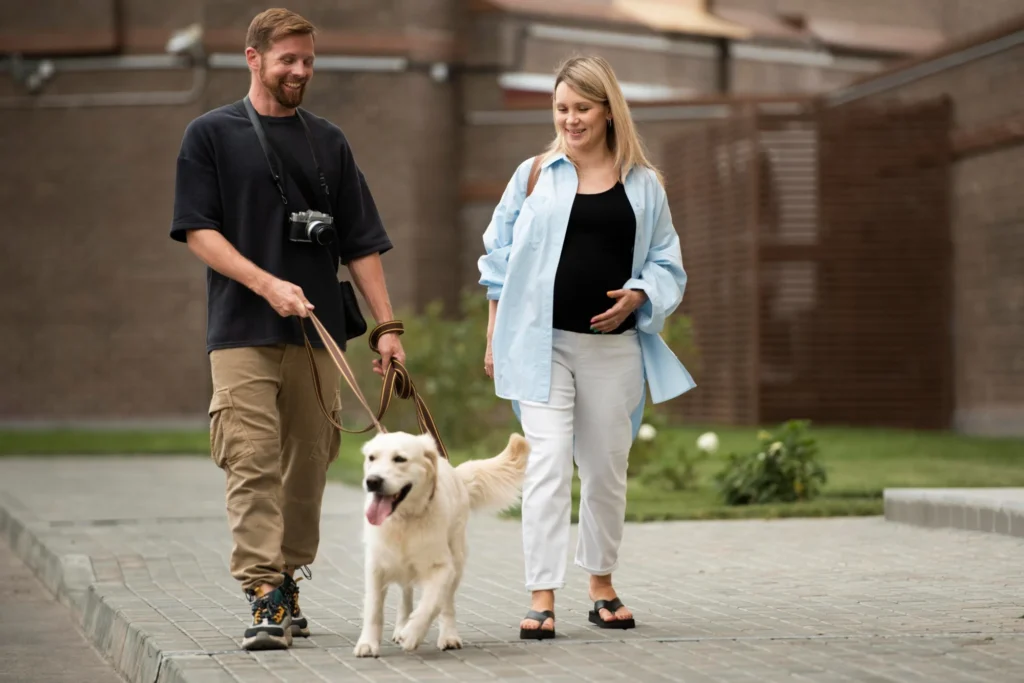
Meetings should be calm and pressure-free. Neutral locations help dogs stay relaxed, and multiple visits can reveal how both parties interact over time. Watch body language closely—dogs communicate comfort and discomfort clearly when given space.
Step 8: Set a Rehoming Fee and Understand What It Covers
Many people ask what is a rehoming fee for a dog and whether it’s necessary. A reasonable fee can deter bad actors and reflect the care you’ve invested. It’s not about profit; it’s about accountability and safety.
Step 9: Use a Rehoming Agreement and Transfer Records
Written agreements and complete medical records protect your dog long-term. Transfer microchip details, vet histories, and any behavioral notes. Clear documentation prevents confusion and future disputes.
Step 10: Support Your Dog Through the Transition to Their New Home
Rehoming doesn’t end at handoff. When a dog moves to a new home, the physical transfer is only the beginning—dogs don’t instantly understand that this new place is permanent or safe. The days and weeks after rehoming are often when stress, confusion, and behavioral regression are most likely to show up, and when placements are most likely to fail if the transition isn’t handled thoughtfully. Ongoing guidance, follow-up, and familiar routines help dogs settle faster. Supporting your dog through this transition reduces anxiety and greatly improves the chance of a permanent, successful placement.
Rehoming a Dog With Behavior Issues, Senior Dogs, or Special Needs
Dogs with behavior challenges, advanced age, or medical needs require extra care when rehoming a dog. Full disclosure is essential, including health history, behavioral patterns, and ongoing care requirements. Some dogs need quieter homes, predictable routines, or experienced guardians, while senior and special-needs dogs may require regular veterinary visits, medication, or mobility support.
Because rehoming transfers full responsibility to the new owner, it’s important to ensure prospective adopters understand—and can financially support—the level of care involved. Seniors and special-needs dogs can thrive when placed thoughtfully, but rushed decisions or mismatched expectations often lead to repeated rehoming. The right home matters more than speed.
If you want help thinking through the right questions to ask a potential adopter, read: Should I Get a Dog? 6 Questions to Ask Yourself First.
Common Rehoming Mistakes That Can Put Dogs at Risk
Well-meaning dog parents sometimes make choices that unintentionally endanger their pets. Free listings, minimal screening, and emotional urgency increase the risk of neglect or abuse. Avoid open social media postings without vetting, and never downplay behavioral history. The safest outcomes come from patience, structure, and realistic expectations.
FAQs About How to Rehome a Dog
Is It Cruel to Rehome a Dog?
Many people worry about whether rehoming is cruel, but cruelty depends on execution, not intent. Ethical rehoming prioritizes safety, honesty, and long-term wellbeing. When a dog’s needs can’t be met in their current environment, rehoming can be an act of care rather than harm.
How Do I Rehome My Dog Responsibly?
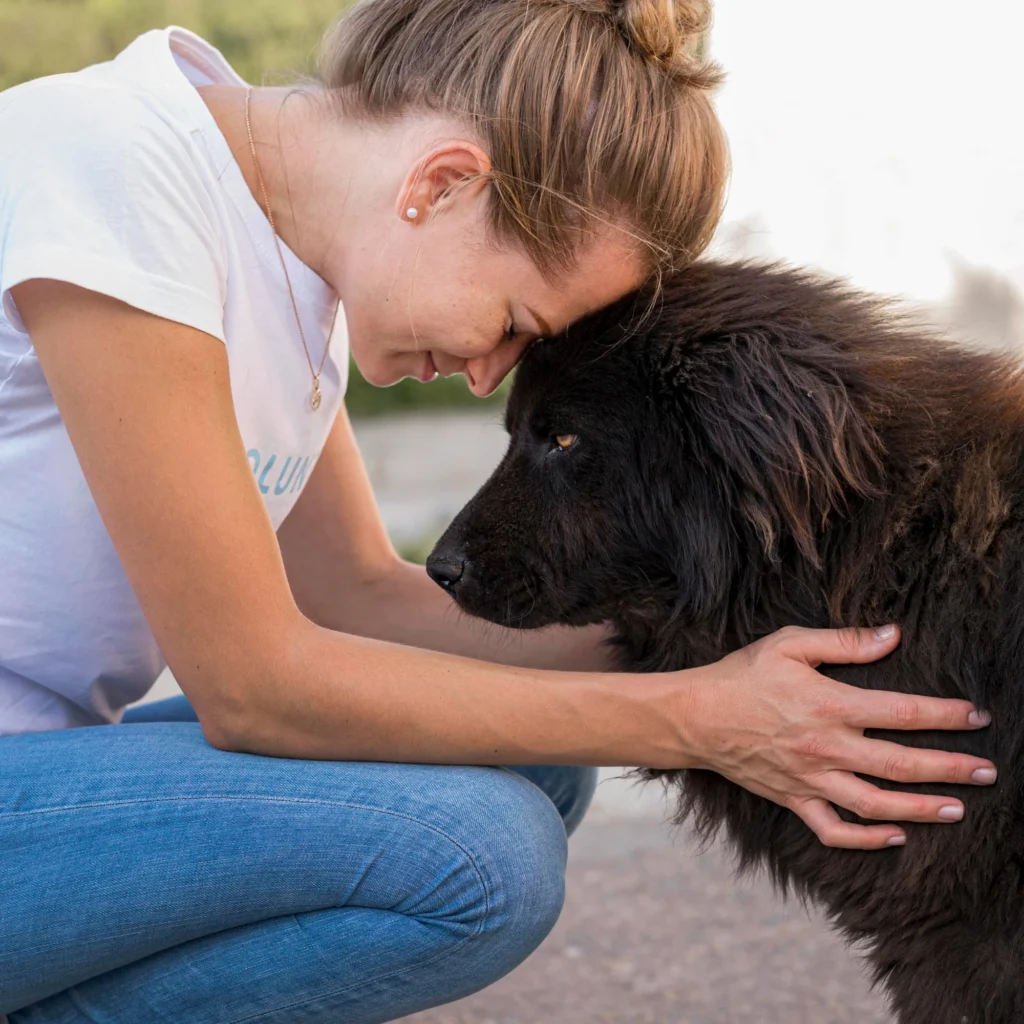
Focus on transparency, screening, and planning. Responsible rehoming avoids urgency-driven decisions and centers the dog’s emotional and physical needs at every step.
When Should You Rehome a Dog?
You should consider rehoming when quality of life declines, safety risks increase, or long-term stability isn’t achievable. A thoughtful, well-planned transition matters more than acting quickly or delaying out of guilt.
How Long Does It Take to Rehome a Dog?
The timeline varies depending on the dog’s age, behavior, health, and the type of home they need. Some dogs find suitable homes quickly, while others take weeks or even months. Taking the time to find the right match greatly improves the chances of a successful, permanent placement.
How Much Does It Cost to Rehome a Dog?
Costs for the person rehoming a dog may include veterinary visits, updated vaccinations, grooming, medical records, and any care needed to prepare the dog for a new home. Some owners also choose to cover these basics before transfer to ensure a smoother transition. Planning for these expenses ahead of time helps prevent rushed decisions and supports a safer, more thoughtful placement.
What Is a Rehoming Fee for a Dog and Should You Charge One?
A rehoming fee adds a layer of protection and accountability. It helps ensure adopters are serious and prepared for the responsibility.
How Do I Find a New Home for My Dog Safely?
Start with trusted personal networks, reputable organizations, and careful screening of potential adopters. Take time to ask questions, meet in appropriate settings, and prioritize your dog’s safety and long-term wellbeing over speed. A thoughtful, deliberate approach greatly reduces the risk of a failed placement.
What Questions Should I Ask When Rehoming a Dog?
Ask about prior dog ownership, daily schedules, training plans, and long-term expectations. It’s also reasonable to discuss financial readiness, including routine veterinary care, emergency expenses, and—where applicable—pet insurance. Thoughtful questions help confirm that a potential adopter can meet both your dog’s emotional and practical needs, reducing the risk of another rehoming.
What If My Dog Has Behavior Problems or Bite History?
Full disclosure is non-negotiable. Some situations require professional guidance or rescue involvement. Honesty protects people and dogs alike.
Should I Rehome My Dog Through a Shelter or Privately?
Both options have merit. Shelters offer infrastructure, while private rehoming offers control. Choose based on your dog’s needs, not convenience.
Can Dog Daycare or Structured Care Help Before Rehoming?
Structured environments can stabilize dogs during transitions. Consistent routines, supervision, and enrichment sometimes resolve issues that feel unmanageable. Trusted daycare or structured care options can provide that stability while families take the time they need to make thoughtful decisions.
Supporting Your Dog Through Life Transitions With Trusted Care In Vancouver
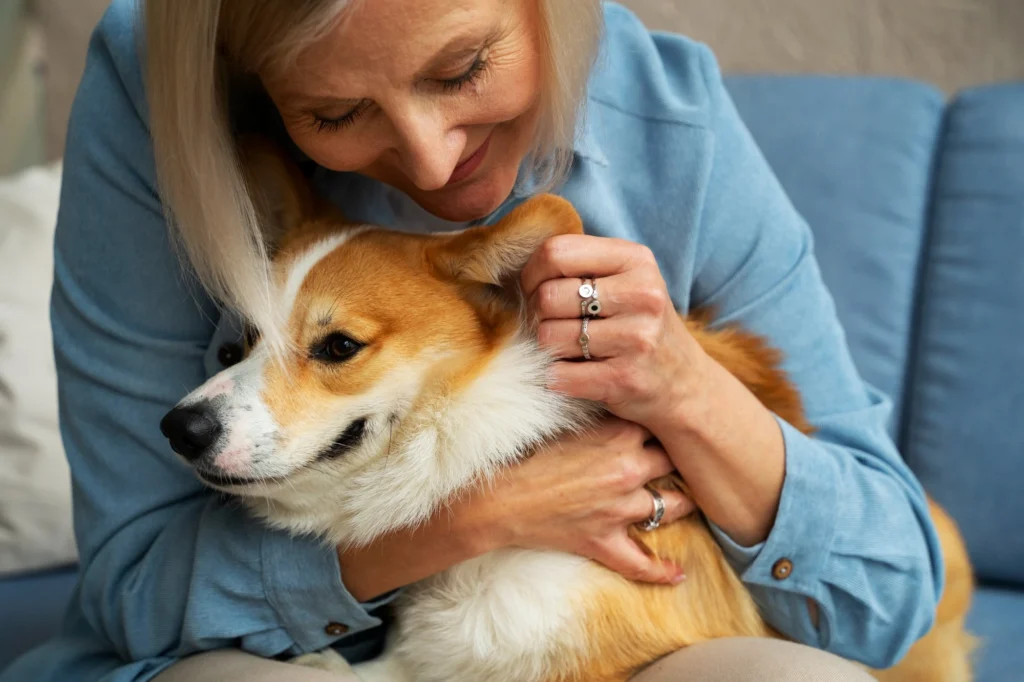
Life changes don’t have to mean facing hard decisions alone. Dogs benefit from routine, enrichment, and calm environments during uncertain times. DogPlay offers daycare, boarding, and grooming designed to support dogs and their families through transitions. If you need reliable care while you figure out next steps, you can explore our services or register for a trial day—sometimes the right support makes all the difference!