
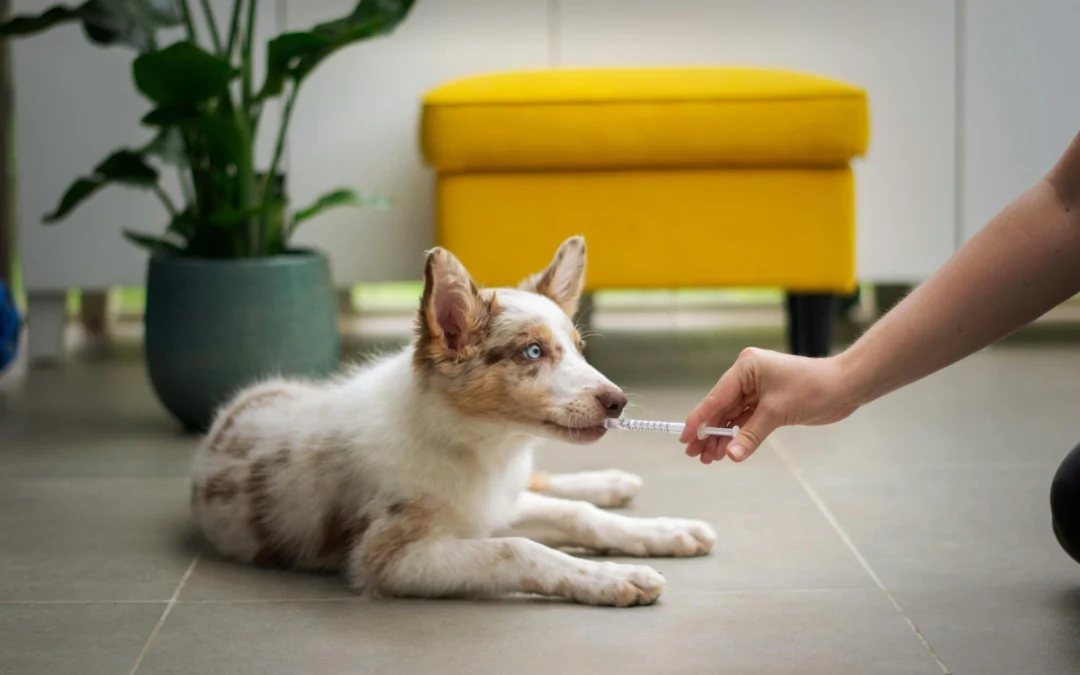
How to Give a Dog a Pill — Quick Recap
- Staying calm and treating medication like a short, repeatable routine helps prevent resistance and anxiety over time.
- Food-based methods often work best, but it’s important to use dog-safe options and avoid ingredients that can interfere with medication.
- When food doesn’t work, gradual hands-on techniques and tools like pill dispensers can help you give medication safely and effectively.
- Rewards, timing, and consistency play a major role in whether your dog cooperates or resists pill time.
- If your dog continues to refuse medication, veterinarians can offer alternative forms and guidance to reduce stress for both of you.
Giving medication to a dog who refuses it can turn a calm morning into a stressful standoff. Dogs are experts at detecting unfamiliar smells and textures, and once they’ve had a bad experience, they remember it. The good news is that learning how to give a dog a pill doesn’t have to involve force, frustration, or guilt. With the right approach, most dogs can take medication calmly—and some even learn to cooperate.
Busy dog parents often juggle work, travel, and family life, which can make consistency around things like medication harder than it needs to be. Dogs tend to do best when their days feel predictable and calm, especially during stressful moments like taking medicine. That’s why experienced, routine-driven care environments can make a real difference in a dog’s overall confidence and cooperation. At DogPlay, supporting dogs’ health, comfort, and daily rhythm is part of the work we do every day—whether they’re here for daycare, overnight boarding, or grooming.
How to Give a Dog a Pill Without Turning It Into a Battle
The first rule of medication time is simple: don’t rush it. Dogs read body language and tone instantly. If you’re tense, they’ll brace themselves. If you stay neutral and confident, you’re already ahead. When learning how to give a dog a pill, think of it as a short routine rather than a one-time task.
Set up in a quiet space. Avoid chasing your dog or interrupting play. Consistency matters more than speed. Dogs who experience calm handling are less likely to resist the next dose, which is especially important for long-term medications. This is also why dogs who thrive in structured environments—like quality daycare settings—often cope better with things like grooming, handling, and medication.
Food-Based Ways to Give a Dog a Pill (And Which Foods Are Actually Safe)
For many dogs, food is the easiest gateway to success. Soft, moldable foods help mask taste and smell, making pill-giving feel less stressful for both you and your dog. Options like plain peanut butter (xylitol-free), cream cheese in tiny amounts, or a small meatball of wet dog food can work well.
Safety matters. High-fat foods can upset sensitive stomachs or interfere with certain medications, and dairy can reduce the absorption of some antibiotics. Anything containing artificial sweeteners—especially xylitol—should always be avoided, as it’s toxic to dogs. This is where pill pockets for dogs shine. They’re typically made with dog-safe ingredients like soft baked dough, real meat or poultry flavoring, and plant-based binders that mold easily around pills, without added sugars or dangerous sweeteners. Because they’re designed specifically for medication, they’re often a safer and more reliable option than using random foods from your fridge.
Always watch closely after your dog swallows. Some dogs are talented at pocketing pills and spitting them out later. Hand-feeding helps you confirm the pill actually went down.
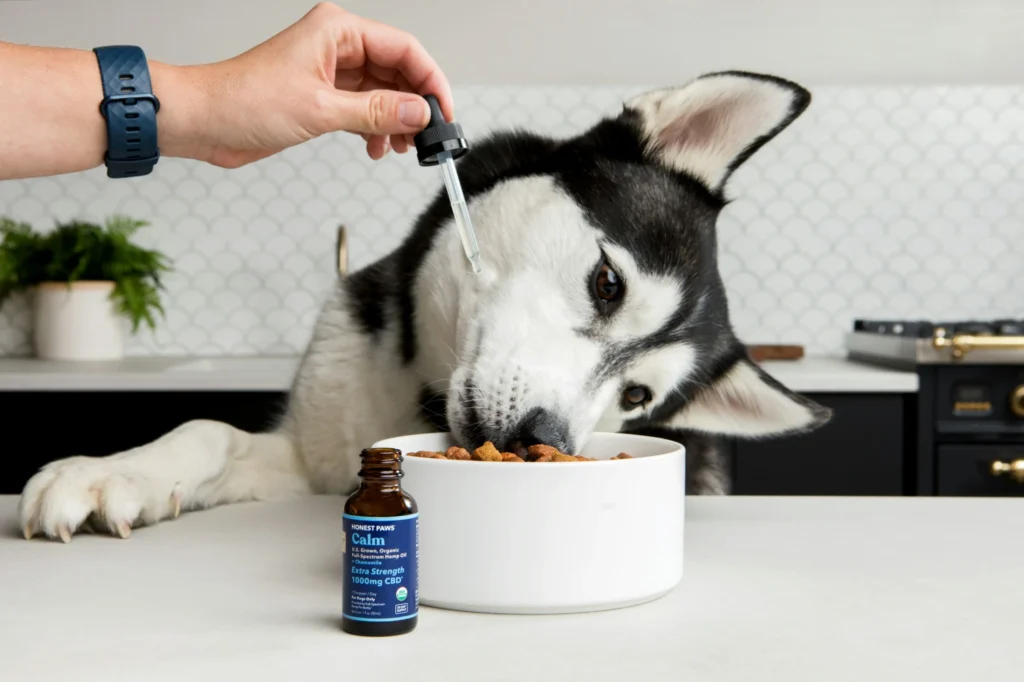
Step-by-Step Dog Pill Technique for Giving Pills by Hand or Orally
1. Start With the Easiest Option
Always try the least stressful method first. Some dogs surprise their owners by accepting medication calmly once the routine feels familiar. Starting gently builds confidence for both of you and prevents unnecessary resistance.
2. Hide the Pill in Dog-Friendly Food or Treats
If food is allowed, shape it tightly around the pill. Give a small “decoy” bite first, then the pill bite, then another decoy. This reduces suspicion and helps the pill go down smoothly.
3. Give Medication Before Mealtime
A hungry dog is more cooperative. Administering medication shortly before a meal increases the chances of success and helps the pill pass more comfortably. This approach is especially helpful when figuring out how to give a dog pills without food later if needed.
4. Make Pill Time Feel Like Treat Time
Use a cheerful tone. Keep your movements normal. Avoid hovering or negotiating. When medication feels like a routine reward moment, dogs stop bracing for it.
5. Use a Dog Pill Dispenser If Needed
A dog pill dispenser tool (sometimes informally called a pill pusher) allows you to place the pill safely at the back of the tongue without putting your fingers near teeth. This can be helpful for nervous owners or dogs who clamp their jaws shut.
6. Always Reward Your Dog After
Immediate praise, a treat, or playtime reinforces cooperation. Even if it didn’t go perfectly, rewarding calm behavior prevents future resistance.
7. Ask About Other Medication Options
If pills remain a struggle, ask your vet about liquids, chewables, or flavored compounds. This can be especially helpful when learning how to give a dog a capsule pill, since capsules often shouldn’t be opened or crushed without veterinary guidance.
8. Get Help From Your Veterinarian
If your dog shows fear, aggression, or repeated refusal, your vet can demonstrate proper technique or adjust the medication form. Support early prevents long-term stress.
What to Do If Your Dog Refuses Pills, Treats, or Food Entirely
Some dogs escalate from picky to completely resistant. If that happens, stop and reset. Forcing medication can create lasting aversion. Take a break, change locations, or try a different time of day. Dogs who refuse everything often respond better once routines stabilize.
This is where environment plays a role. Dogs who spend their days in structured, supervised settings tend to handle challenges more calmly. Consistency in daily care—like regular exercise and social time—can make medication easier to manage overall.
Tools, Alternatives, and Smart Dog Medication Tips That Make It Easier
Practical dog medication tips include preparing doses ahead of time, reading labels carefully, and confirming whether pills can be split or crushed. Never assume capsules can be opened.
Tools like pill dispensers, oral syringes for liquids, and commercial pill wraps each have their place. For how to give a stubborn dog a pill, rotating methods can also help prevent dogs from anticipating medication and becoming more resistant over time.
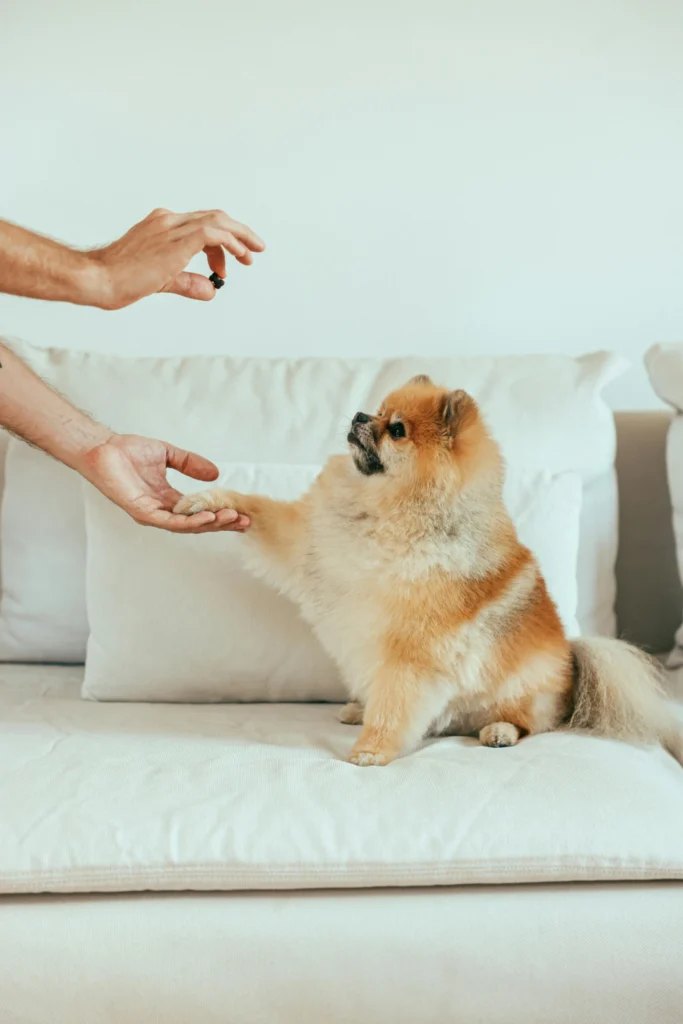
Common Pill-Giving Mistakes That Make Dogs More Resistant Over Time
Chasing your dog, hiding pills in their regular meals, skipping rewards, or showing frustration all teach dogs to resist. Repetition of negative experiences builds anxiety. Calm repetition builds trust. If medication becomes a daily stressor, reassess the method instead of pushing through.
Support Your Dog’s Health and Routine While You’re Busy With DogPlay
Medication is just one piece of a dog’s overall wellbeing. Reliable routines, gentle handling, and consistent care make everything easier—from pills to grooming to bedtime.
DogPlay supports busy dog parents with daycare, boarding, and grooming in one convenient location near YVR. As a trusted dog day care in Vancouver, DogPlay offers trained staff on-site 24/7 and a calm, structured environment that dogs thrive in.
For dogs staying with us for daycare or boarding, we administer medications according to each owner’s instructions. We do not charge any additional fee for medication administration—because we believe no dog should miss necessary treatment due to cost. Every dose is carefully tracked and documented, so you always know your dog’s health needs are being handled responsibly.
To learn more about supporting your dog’s health, routine, and overall wellbeing, read our DogPlay blog or register for a trial day to give your dog consistent care and peace of mind.
ALSO READ:
Top Dental Chews for Dogs Who Hate Brushing
Dental Wipes For Dogs: Easy Dental Care Dogs Actually Tolerate