
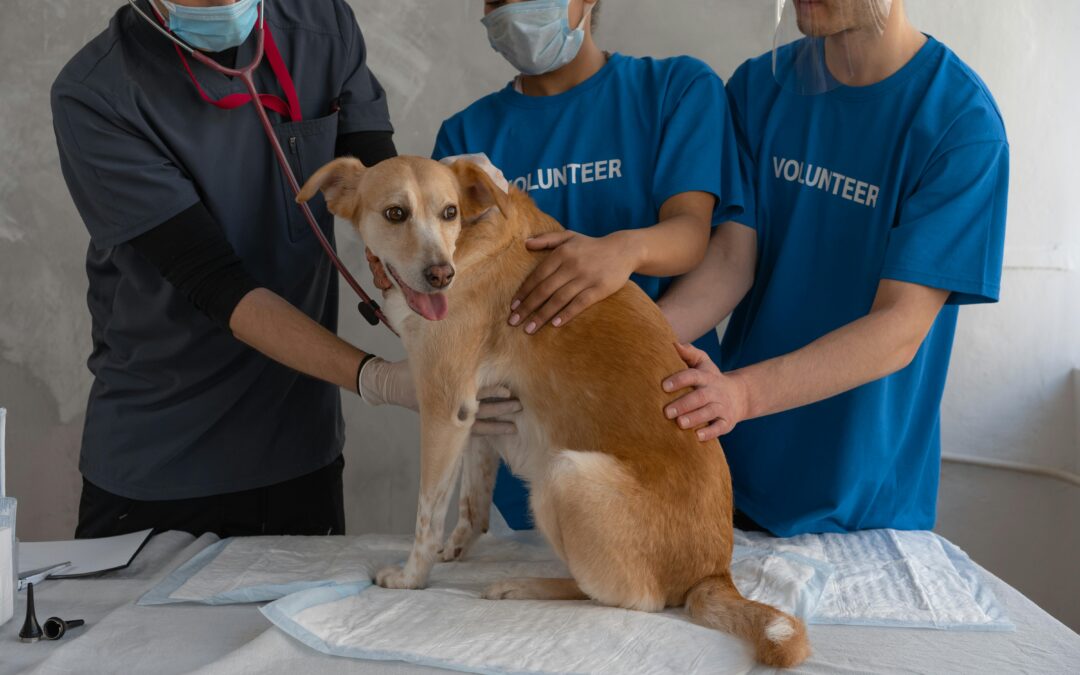
How do you tell if a dog has a fever? The short answer is that you need a thermometer. But there’s a lot more to understanding fever in dogs than a single temperature reading, and knowing what to look for before you even reach for that thermometer can help you act faster when it matters most. At our doggy daycare in Vancouver, we spend all day with dogs and our team is trained to notice when something seems off, sometimes before the owner has any idea.
Do Dogs Actually Get Fevers?

Yes, and it happens for many of the same reasons fevers occur in people. A fever is the body’s response to infection, inflammation, or illness, and it’s a sign that the immune system is working to fight something off. Understanding what a fever looks and feels like in dogs is one of the most practical things you can do as a dog owner.
What Is a Dog’s Normal Temperature?
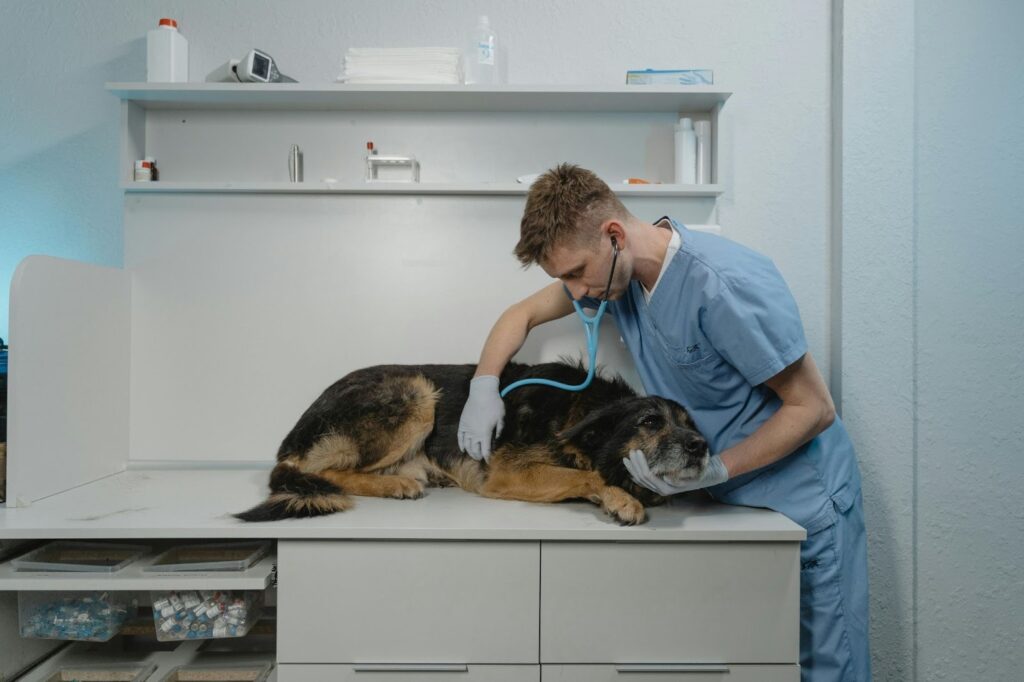
A dog’s normal temperature sits between 38.3°C and 39.2°C, which is naturally higher than a human’s normal range of 36.4°C to 37.6°C. This is important context because it means you can’t gauge your dog’s temperature by touch the way you might with a child. A dog that feels warm to you may be completely healthy. This is also why the canine temperature chart looks different from ours and why so many owners are caught off guard when they learn what normal actually is for their dog.
How Do You Tell If a Dog Has a Fever?

The only reliable way to know if your dog has a fever is to take a rectal temperature using a digital thermometer. A reading of 39.4°C or above means your dog has a fever. A temperature of 41.1°C or higher is a serious emergency that requires immediate veterinary care.
How to Take Your Dog’s Temperature at Home
To take your dog’s temperature at home, lubricate the tip of the thermometer with petroleum jelly and gently insert it about one inch into the rectum. Having a second person hold your dog steady makes this much easier. Wait for the thermometer to beep, then record the reading. It’s worth keeping a thermometer specifically for your dog in their supply area so you’re not searching for one when you’re already stressed.
When to Check (and When to Wait)
One important note: don’t take your dog’s temperature right after they’ve been active, playing, or lying in a warm spot. Physical exertion and excitement can temporarily raise their temperature, and that reading won’t accurately reflect whether they’re actually unwell. Wait at least 10 minutes after activity before checking.
Dog Fever Symptoms to Watch For

Beyond taking a temperature, there are several signs of fever in dogs that should prompt you to investigate further. At DogPlay, our staff watch for these throughout the day because dogs in a group setting reveal a lot through their behaviour.
Common Symptoms
The most common dog fever symptoms include decreased energy and unusual lethargy, loss of appetite, shivering without an obvious reason, panting beyond what their activity level would explain, vomiting, diarrhea, coughing, and a runny nose.
Red or glassy-looking eyes are also a telling sign, as is a general heaviness in how a dog is moving. When a dog who is normally first in line for play is sleeping in a corner and skipping treats, that gets our attention immediately. Knowing your dog’s baseline is everything.
How Fever Can Affect a Dog’s Behaviour
It’s also worth knowing that fever can trigger noticeable behavioural changes in dogs, including extreme lethargy, irritability, and heightened anxiety. These changes can look a lot like signs of depression or emotional distress, which is why ruling out a physical cause is always the right first step when your dog’s mood or energy shifts suddenly.
What We Watch for at DogPlay

We’ve had dogs arrive seeming slightly off, quieter than usual, not engaging the way they normally do, and by midday it was clear something wasn’t right. In more than one case, we contacted the owner, they took the dog to the vet that afternoon, and the dog had an infection that needed prompt treatment.
One dog came in acting tired and his owner mentioned he had been a little quiet at home but figured it was nothing. By mid-morning he was shivering, not drinking, and completely withdrawn from the group. That call from us made a real difference in how quickly he got care. Sometimes a fresh set of eyes is exactly what’s needed.
That Hot Nose Myth: What Warm Ears and a Hot Head Actually Mean
One of the most persistent myths in dog ownership is that a dog’s nose is hot and dry when they have a fever. This is not an accurate indicator of fever. A dog with a hot nose may be perfectly healthy, and a dog with a cool, wet nose may be running a temperature. The same applies to dogs with warm ears or a dog with a hot head. These can sometimes signal that something is off, but warm ears alone are not enough to confirm a fever. The only way to know for certain is to use a thermometer.
How to Tell If a Dog Has a Fever Without a Thermometer

If you don’t have a thermometer available, look at the full picture of your dog’s behaviour. A dog with a fever will often be noticeably less interested in food, more withdrawn than usual, and may be shivering, panting heavily, or seem uncomfortable. Red eyes, a runny nose, and general lethargy together paint a clearer picture.
These signs of a dog fever aren’t definitive without a temperature reading, but they’re enough reason to contact your vet and describe what you’re seeing. Don’t wait to see if things improve on their own if your dog seems genuinely unwell.
What Causes Fever in Dogs?

Fever in dogs is almost always a symptom of something underlying. The most common causes include bacterial, viral, or fungal infections, urinary tract infections, ear infections, infected wounds or tooth abscesses, ingestion of something toxic, post-vaccination immune response, autoimmune disease, and cancer.
When a Cause Can’t Be Found
When a veterinarian can’t identify the root cause despite thorough testing, it’s classified as fever of unknown origin, a recognized condition that may point to immune system disorders or an underlying disease that requires further investigation.
This is why getting a diagnosis matters as much as treating the fever itself. Reducing the temperature without understanding what’s driving it doesn’t solve the problem.
How to Comfort a Dog With a Fever at Home
While you’re arranging a vet visit, there are a few things you can do to help your dog feel more comfortable. Apply cool, not cold, water to their ears and paw pads using a damp cloth, and direct a fan toward those areas to help bring the temperature down gradually.
Cooling Your Dog Down Safely
Encourage your dog to drink small amounts of water to stay hydrated, but don’t force it. Stop the cooling process once their temperature drops below 39.4°C and monitor them closely to make sure the fever doesn’t return.
Never Give Human Medications
Never give your dog human pain relievers or fever reducers. Ibuprofen, Tylenol, and aspirin are all toxic to dogs and can cause serious organ damage or death. This is one of the most important things to know as a dog owner, and it’s something we reinforce whenever the topic comes up with dog parents at DogPlay. When in doubt, call your vet before giving your dog anything.
You can also check our dog daycare tips at DogPlay for more guidance on keeping your dog healthy day to day.
When a Dog’s Fever Becomes an Emergency
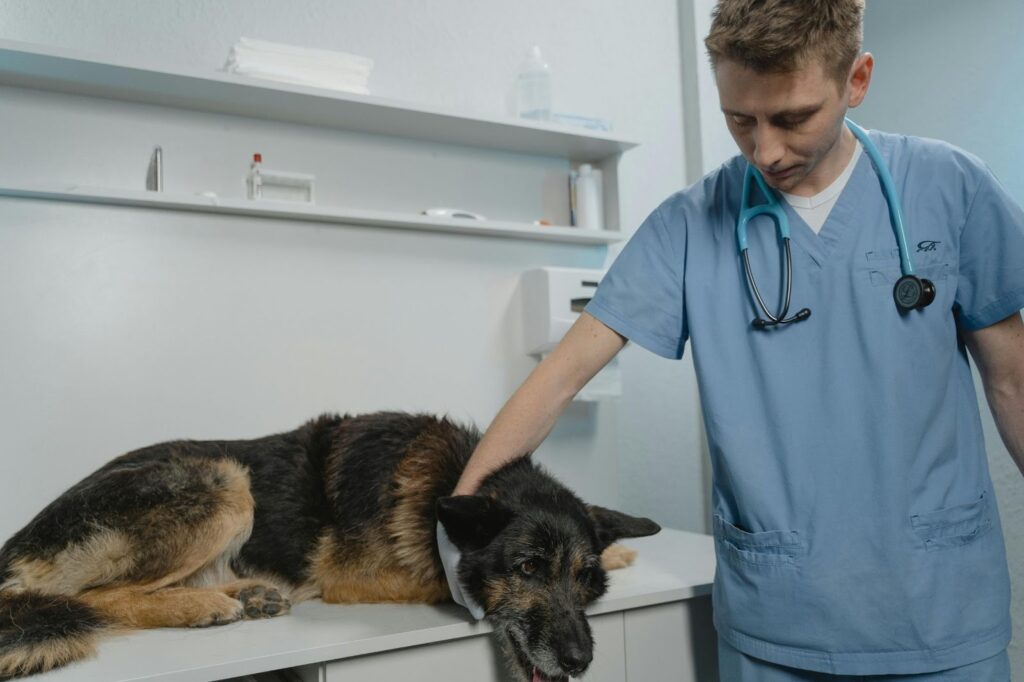
A fever above 39.4°C means a same-day vet visit. A fever above 41.1°C is a life-threatening emergency and requires immediate care. Don’t wait to see if it comes down on its own at that level. If your dog is also experiencing vomiting, blood in their stool, extreme lethargy, or difficulty breathing alongside a high temperature, go directly to an emergency veterinary clinic.
For Vancouver dog owners, knowing where your nearest emergency clinic is before you need it is genuinely useful. Having a thermometer at home, understanding your dog’s normal baseline, and acting quickly when something seems off are the three most practical things you can do for your dog’s health.
Final Words: Your Dog Deserves More Than Just a Watchful Eye
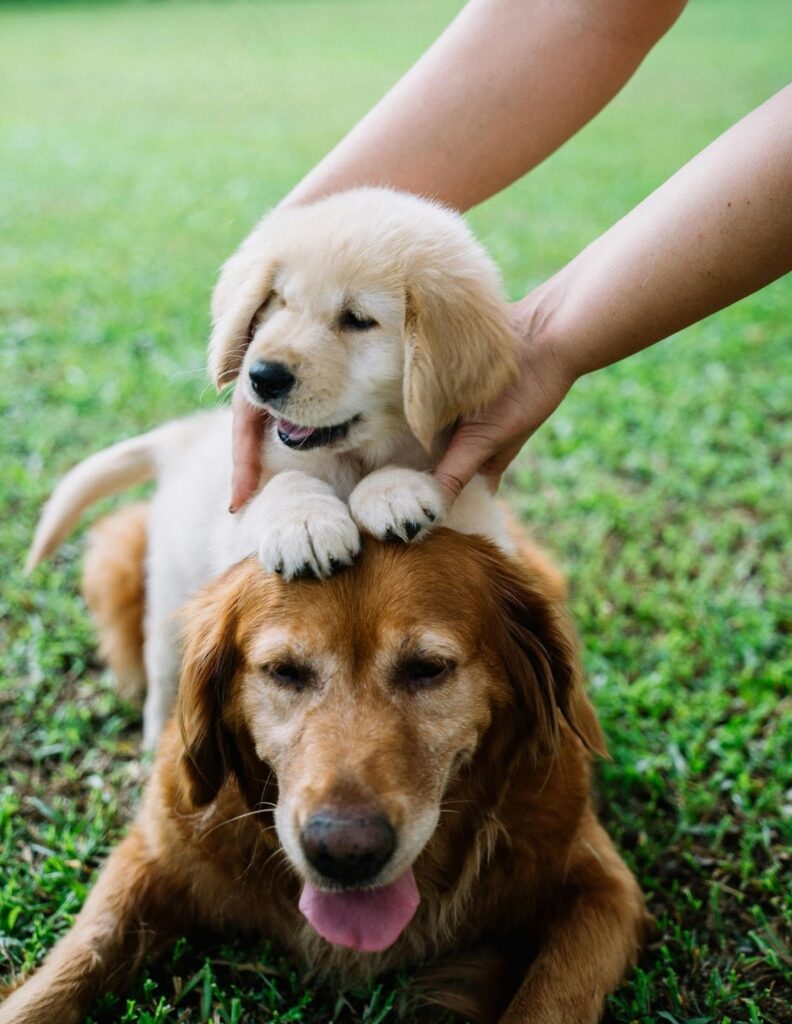
If your dog is in our care at DogPlay’s boarding or doggy grooming and we notice signs that something isn’t right, we contact you immediately. We document what we observe and recommend next steps clearly, because your dog’s health and your peace of mind are both part of what we’re here for.
Our team is with your dog all day, and for overnight boarding, a staff member is on-site through the night, so your dog is never without someone who knows them and is paying attention.If you’re looking for a place in Vancouver where your dog is truly looked after, not just watched, we’d love to meet them. Book a trial day at the best dog daycare in Vancouver and see the difference that genuine, attentive care makes.