
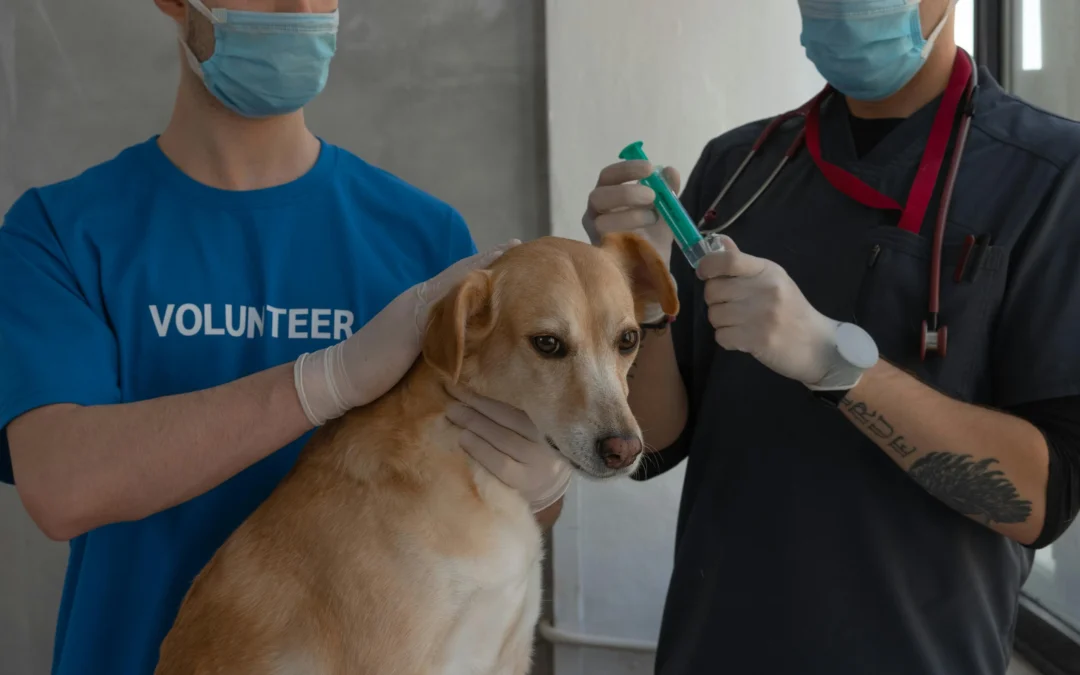
If you’re a dog owner in Vancouver, understanding the dog vaccination schedule your pet needs could save their life. Dog vaccinations protect against diseases that are highly contagious, often fatal, and entirely preventable. Whether you’re raising a new puppy or checking that your adult dog is current, this guide covers everything from the puppy shots timeline to adult boosters and what facilities like ours require before your dog joins the pack. You can also browse DogPlay’s daycare and boarding programs to see how we put that vaccination policy into practice every single day.
At DogPlay, we see hundreds of dogs come through our doors every year. We check vaccination records for every single one of them. What we’ve learned over time is that most pet owners genuinely want to do right by their dogs. They just need a clear breakdown of what’s required and why. That’s exactly what this post is here to provide.
Key Takeaways About Dog Vaccination
- Puppies need a series of shots spaced 2 to 4 weeks apart because maternal antibodies can block early vaccines from working
- The core puppy series runs from 6 to 16 weeks and covers DA2PP, Rabies, Leptospirosis, and Bordetella
- Adult dogs follow a simplified schedule: Bordetella annually, DA2PP and Rabies every 3 years
- Leptospirosis is a genuine urban risk in Vancouver, not just a rural one
- Bordetella is required for any dog attending daycare, boarding, or grooming
- Daycare and boarding facilities require current vaccination records before a dog can enter
Why Puppy Shots Can’t All Be Given at Once
One of the most common questions new puppy owners ask is why their puppy needs so many vet visits in the first few months. The answer comes down to biology, and once you understand it, the schedule makes complete sense.
The Role of Maternal Antibodies
When do puppies need their shots depends significantly on something called maternal antibodies. When a puppy is born, the mother passes protective antibodies through her first milk. These antibodies give the puppy temporary immunity while their own immune system is still developing. The problem is that those same maternal antibodies can also block early vaccines from working. The puppy’s immune system essentially doesn’t need to respond to the vaccine because the maternal antibodies are already handling the perceived threat.
Because there is no reliable way to know exactly when a specific puppy’s maternal antibodies will fade, veterinarians use a puppy series of shots spaced 2 to 4 weeks apart. This approach closes the window of vulnerability by ensuring that at least one dose lands after the maternal antibodies have cleared. If you give only one early vaccine and maternal antibodies neutralize it, your puppy may have no protection at all and neither of you would know it.
Why the Breeder’s Early Vaccine Isn’t Enough
This is also why vaccinating at 6 weeks alone is not considered sufficient. Even if a breeder has given an early shot, your vet will still recommend completing the series at 8, 12, and 16 weeks. Skipping those visits because the breeder “already did one” is one of the most common mistakes we see new puppy owners make, and it leaves a dangerous gap in protection during the period when puppies are most vulnerable.
The Dog Vaccination Schedule Your Vet Will Recommend

The dog injection schedule breaks into two phases: the puppy series and the adult maintenance schedule. Both matter, and both are simpler to follow than most people expect.
The Puppy Vaccinations Timeline
The puppy vaccinations timeline typically looks like this. At 6 to 8 weeks, your puppy receives their first dose of DA2PP, which covers distemper, adenovirus, parvovirus, and parainfluenza. Bordetella can also begin at this stage. At 10 to 12 weeks, they receive the DA2PP booster alongside a Bordetella booster and the first dose of Leptospirosis. At 14 to 16 weeks, the final DA2PP booster is given alongside the Rabies vaccine and the Leptospirosis booster. Then at 12 to 16 months, all vaccines from the puppy series receive their first adult boosters.
When should puppies have their shots completed? Most vets aim to wrap up the full series by 16 weeks, though some higher-risk breeds or environments may warrant extending to 18 or 20 weeks. Your vet will advise based on your specific dog’s health and history.
The Adult Dog Shot Schedule
Once the puppy series is complete and the one-year boosters are done, most healthy adult dogs follow a much more relaxed dog shot schedule. DA2PP drops to every 3 years. Rabies follows the same pattern after the initial one-year booster. Leptospirosis is given annually. Bordetella is also annual, though dogs in high-contact environments like daycare or boarding may be recommended to get it every 6 months.
The puppy booster shot schedule at 12 to 16 months is one that owners frequently miss, particularly if their dog seems healthy and the puppy phase feels behind them. Put a reminder in your calendar the day you bring your puppy home. That one-year window goes faster than you think.
Core Vaccines vs. Lifestyle Vaccines: What Every Owner Should Know
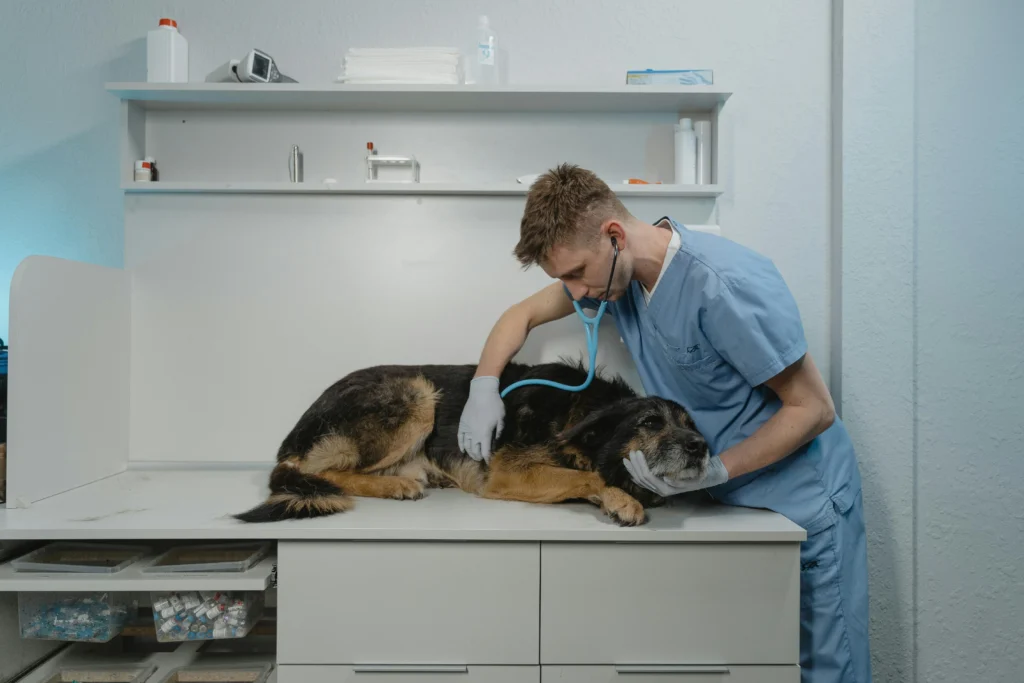
Canine immunizations fall into two categories: core vaccines, which every dog should receive regardless of lifestyle, and lifestyle vaccines, which are recommended based on environment, habits, and geographic risk.
Core Vaccines: Non-Negotiable Protection
Core vaccines protect against diseases that are widespread, highly contagious, and potentially fatal. DA2PP covers canine distemper, adenovirus, parvovirus, and parainfluenza. Parvovirus is particularly serious for young puppies, capable of killing through severe dehydration within 48 to 72 hours. Distemper attacks the respiratory and nervous systems and has no cure. These are not theoretical risks. They are diseases vets still see today in unvaccinated dogs.
Rabies shots for dogs are required by law across most of North America, and for good reason. Rabies is fatal and zoonotic, meaning it can spread from animals to humans. The canine rabies shot is typically given at 16 weeks and boostered at one year. After that, the question of “How often do dogs get rabies vaccine boosters?” depends on the product used, but it is generally every 3 years.
If you’re curious about rabies vaccination for dogs side effects, mild soreness at the injection site and a day of lower energy are the most common responses. Serious reactions are rare, but your vet will always advise you to monitor your dog for a few hours after any rabies injection for dogs.
Lifestyle Vaccines: Depends on How Your Dog Lives

On the lifestyle side, Bordetella protects against kennel cough, one of the most contagious respiratory infections dogs can contract. It’s technically categorized as a lifestyle vaccine, but practically speaking, any dog attending daycare, boarding, grooming, or group training needs it. A rabies injection for dogs is non-negotiable by law. Bordetella is non-negotiable by common sense for social dogs. Canine influenza falls into a similar category for dogs in areas with documented outbreaks.
Why Leptospirosis Deserves More Attention in Vancouver
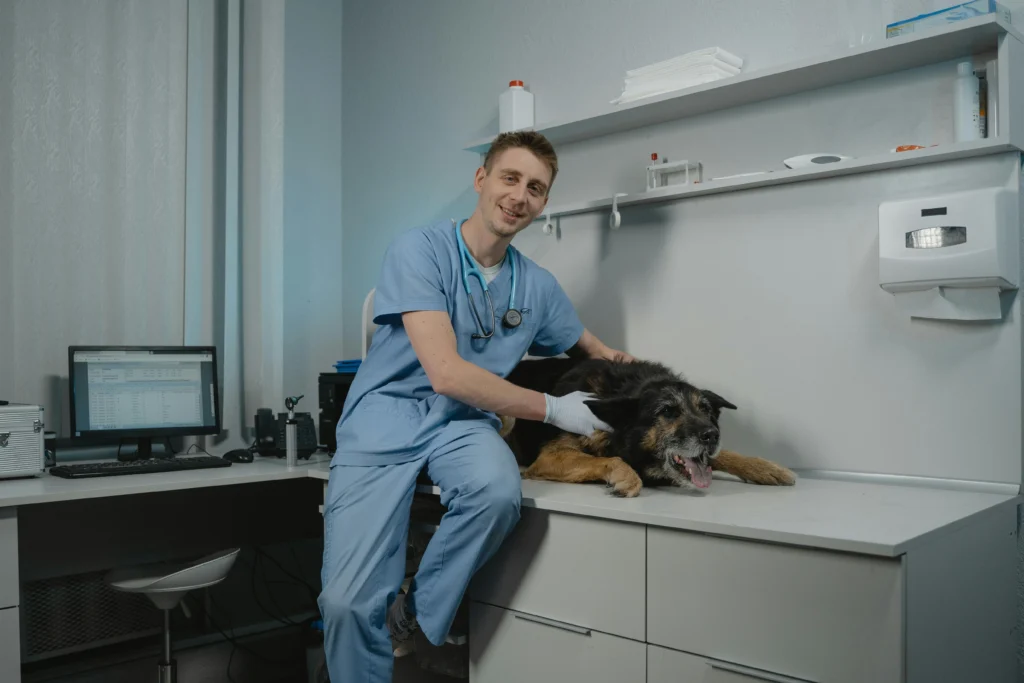
Of all the conversations we have with new clients at DogPlay about vaccinations and dogs, leptospirosis is the one that surprises people most. The assumption is that lepto is a rural issue, something farm dogs or backcountry hikers worry about. In Vancouver, that assumption can put your dog at real risk.
How Urban Dogs Get Exposed
Leptospirosis is a bacterial disease spread through the urine of infected animals, particularly rats and raccoons, both of which are well-established residents of Vancouver’s urban neighbourhoods. The bacteria survive in water and wet soil, which means a dog can be exposed by sniffing or licking a puddle on an ordinary city block. In a rainy city where puddles are a near-constant feature of daily walks, that exposure risk is genuinely ongoing throughout the year.
Why This Matters Beyond Your Dog
The disease can cause kidney and liver failure in dogs and is also transmissible to humans. Antibiotic treatment is effective if caught early, but lepto can progress quickly if missed. The initial vaccine requires two doses given 2 to 4 weeks apart, followed by annual boosters. For a detailed look at what leptospirosis means from a public health perspective, the BC Centre for Disease Control has clear, up-to-date information that’s worth reading, especially for households with children or immunocompromised family members.
We’ve had clients tell us their previous vet said lepto wasn’t necessary for a city dog. That guidance may have reflected the thinking of a decade ago, but the disease pattern has shifted and urban outbreaks have been documented across North American cities, including here in British Columbia. Our strong recommendation is to have a direct conversation with your vet about leptospirosis, especially given how much time Vancouver dogs spend outside in wet conditions.
What DogPlay Requires Before Your Dog Joins the Pack
Our vaccination policy exists for one reason: to protect every dog in our care, not just yours.
Our Vaccination Requirements
Before any dog attends daycare or boarding at DogPlay, we require current records for DA2PP, Rabies, and Bordetella. We ask for documentation directly from your vet and we verify it before your dog’s first visit. We don’t operate on the honour system, and we don’t make exceptions. This isn’t about being difficult. It’s about the reality of what happens in a shared space with dozens of dogs moving through it every day.
What Happens When a Dog’s Records Aren’t Current
We’ve had kennel cough scares over the years. In one case, a dog came in with a lapsed Bordetella and began showing symptoms during the day. We isolated the dog immediately, notified the owner, deep-cleaned the entire facility, and reached out to every family whose dog had been in that space. It was a significant disruption, stressful for our team and worrying for our clients. That experience is part of why we treat our vaccination requirements as genuinely non-negotiable.
The Gaps We See Most Often

The most common gap we see in new client records is Bordetella, followed by Leptospirosis. Many owners have the core vaccines handled but either didn’t realize Bordetella is required for social settings, or let it lapse because it felt optional. If you’re getting ready to book a meet and greet at DogPlay, gathering your dog’s vaccination records beforehand will make the whole process smooth from the start.
We also hear from puppy owners who want to bring their new dog in as early as possible, which we completely understand. Puppies need socialization and owners need support. Our answer is always the same: once the puppy series is complete and your vet has cleared your pup for group settings, usually around 16 weeks, we would love to meet them. The wait is absolutely worth it. Find us listed as a dog daycare in Vancouver to learn more about what we offer and how we operate.
Final Words: A Healthy Dog Is a Happy Dog
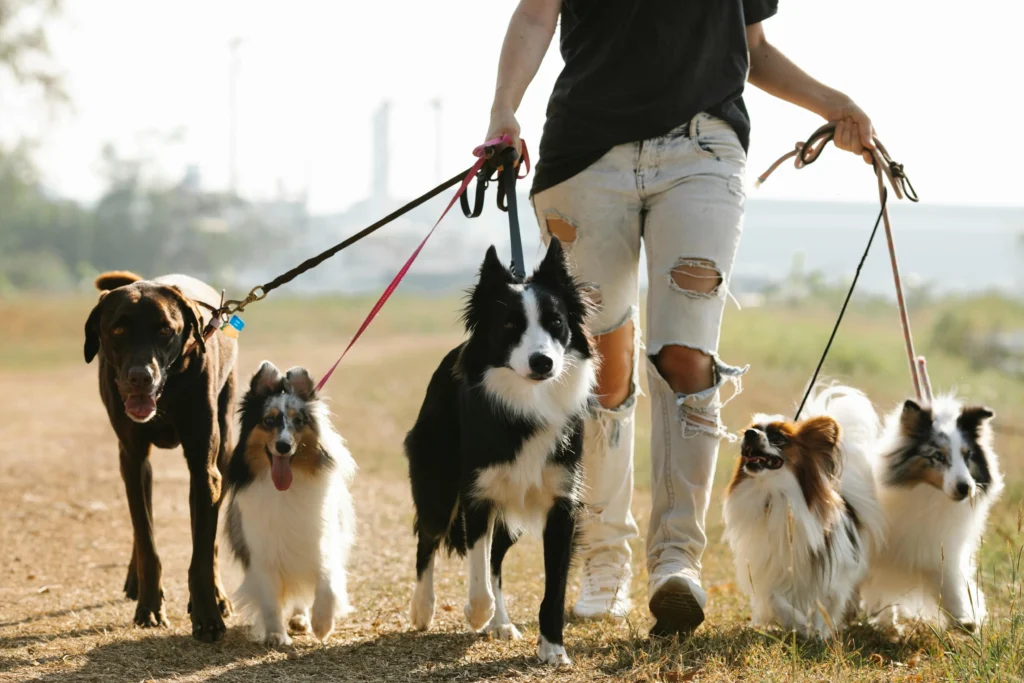
Keeping up with your dog’s dog injection schedule is one of the simplest, most impactful things you can do for them. It doesn’t require much beyond a good vet, a calendar reminder, and a little consistency. What it gives back is years of health, freedom, and the ability to actually live their best dog life alongside you.
At DogPlay, we see what that looks like every single day. Dogs who are current on their vaccines get to run with the pack, stay with us overnight, come in for a grooming appointment, and enjoy everything Vancouver has to offer with a healthy immune system behind them. It all starts with those early puppy visits and carries forward from there.
If your dog is up to date and you’re ready to take that next step, we’d love to meet them. Reach out to our team at Vancouver doggy daycare to book your dog’s meet and greet. We can’t wait to welcome them into the pack.