If you’re a busy dog parent, walks are often squeezed in between work, errands, daycare drop-offs, or packing for a trip. The last thing you want is to wrestle with uncomfortable gear or worry about your dog pulling, slipping out, or straining their neck.
Choosing the right dog harness for dogs can make daily life noticeably easier. A good harness improves safety, gives you better control, and helps your dog feel more secure, whether you’re heading out for a quick neighbourhood walk or dropping them off before a flight.
At DogPlay, a dog daycare in Vancouver, we care for dogs every single day through daycare, boarding, and grooming. We see firsthand how different harnesses fit, how they hold up to real use, and how they affect dogs with different sizes, personalities, and energy levels. Our team walks dogs daily and makes sure they’re getting the right level of exercise for their needs, which is why proper harness fit and comfort matter so much.
Quick Summary for Busy Readers on Dog Harnesses for Dogs
- Front-clip harnesses help reduce pulling
- Small dogs need lightweight, padded designs
- Large dogs benefit from reinforced, no-pull options
- Escape-proof harnesses are best for anxious dogs
- Proper fit matters just as much as style
Related Reading: How to Pick the Perfect Dog Winter Coat
What Makes a Good Dog Harness for Dogs?
Before comparing styles, it’s important to understand what a good dog harness for dogs is actually supposed to do.
Comfort and Pressure Distribution
A well-designed harness spreads pressure across the chest and ribcage instead of concentrating it on the neck. This protects the airway and spine, which is especially important for small breeds, flat-faced (brachycephalic) dogs prone to breathing difficulties, and dogs that pull.
Look for:
- A Y-shaped front that allows natural shoulder movement
- Wide straps that don’t dig into the skin
- A padded dog harness for daily walks to prevent rubbing
We see dogs move more comfortably—and behave better on leash—when their harness doesn’t restrict their stride.
Materials That Hold Up To Real Life
Busy dog parents need gear that works in the rain, survives daily use, and doesn’t fall apart after a few weeks.
A quality harness should include:
- Durable nylon or reinforced fabric
- Smooth, strong buckles that clip easily
- Solid metal D-rings that won’t bend or rust
- Breathable lining, especially for longer-haired dogs
These details matter when your dog is in and out of the car, heading to daycare, or transitioning between play and rest.
Easy To Put On (And Take Off)
If a harness is complicated, it becomes frustrating fast. Simple designs with clear orientation and quick-release buckles make mornings smoother, especially when you’re juggling work schedules or early flights.
Front Clip vs Back Clip Dog Harness:
This is the single biggest decision when choosing a harness.
Front Clip Harnesses (Best For Pulling & Control)
A front clip harness attaches the leash at the chest. When a dog pulls forward, the leash gently redirects them back toward you.
This makes front-clip designs the best dog harness for pulling, especially when paired with consistent, positive training. They’re often recommended for:
- Strong or energetic dogs
- Dogs that lunge toward distractions
- Urban walking environments
Back Clip Harnesses (Best For Calm Walkers & Small Dogs)
Back clip harnesses attach the leash between the shoulders. They’re simple, comfortable, and less likely to tangle.
They work well for:
- Calm dogs that don’t pull
- Small dogs with sensitive necks
- Senior dogs
These are great for relaxed walks and quick potty breaks.
Dual Clip Harnesses (When You Want Flexibility)
Dual clip harnesses offer both front and back attachment points. They’re a solid choice if you’re still figuring out what works best for your dog or if different family members walk the dog in different ways.
Choosing the Right Dog Harness Based on Your Dog’s Needs
Rather than thinking only about leash attachment style, it’s also important to choose a harness based on your dog’s size, age, and temperament.
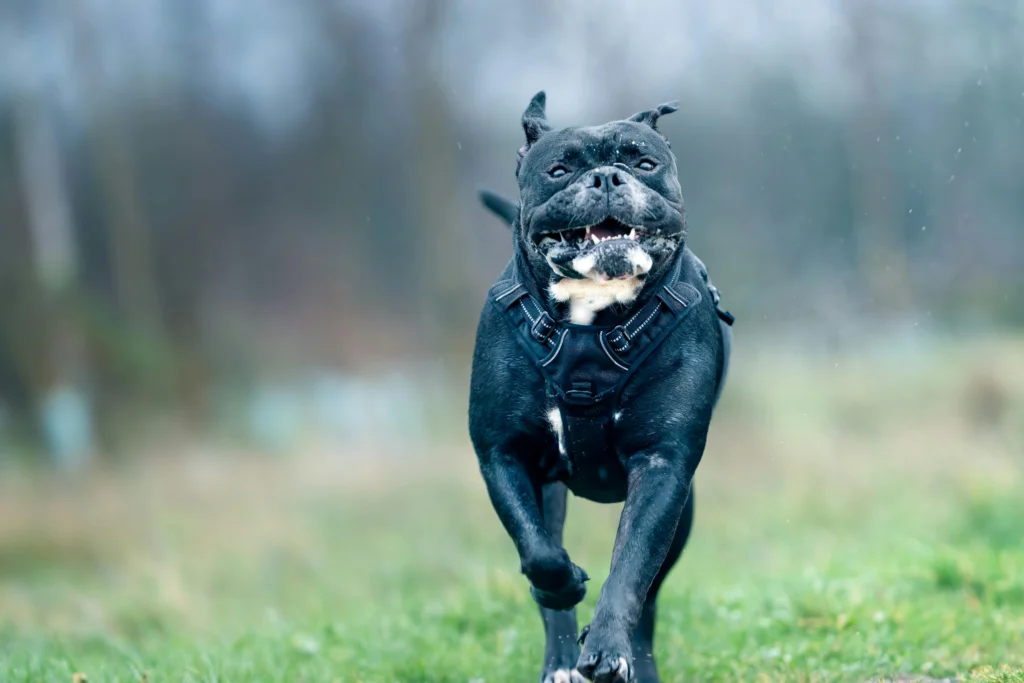
Large Dogs and Strong Pullers
For bigger breeds, strength and control matter most. A no-pull dog harness for large dogs should have:
- Reinforced stitching
- Wide chest support
- Strong buckles and hardware
These features make walks safer and help handlers maintain control, especially in busy areas or during daycare and boarding transitions.
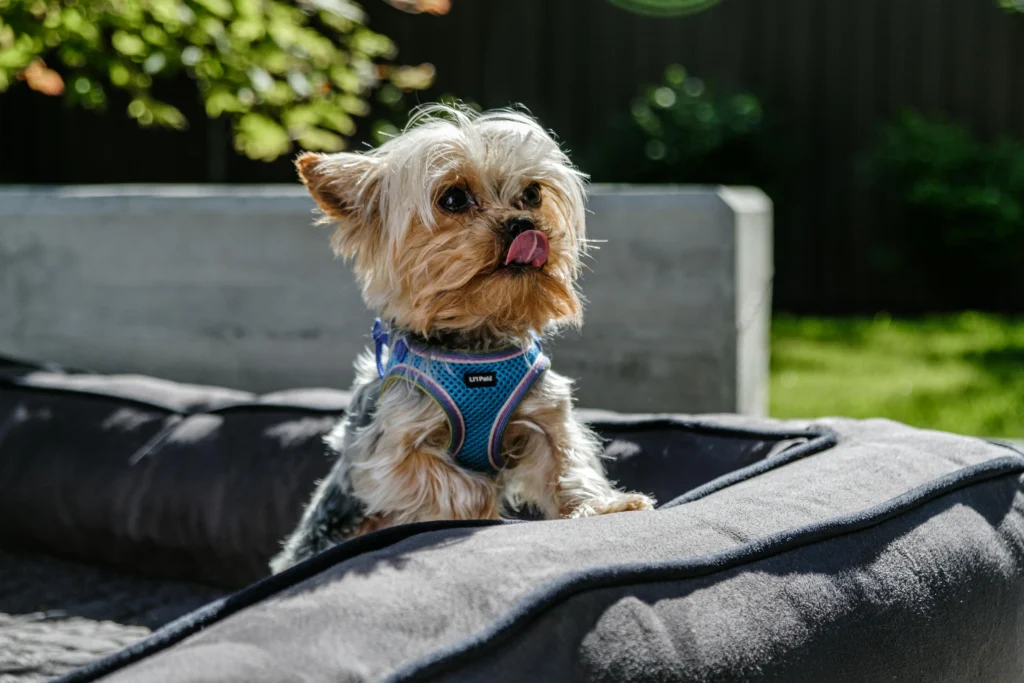
Small Dogs Who Need Comfort and Neck Protection
Small dogs are more vulnerable to neck strain, making harnesses safer than collars for walking.
A comfortable dog harness for small dogs should be:
- Lightweight and soft
- Padded across the chest
- Free of bulky hardware near the neck
Comfort helps small dogs feel secure and makes handling easier during grooming or daycare drop-offs.
Growing Puppies
Puppies change shape quickly. An adjustable dog harness for growing puppies allows for:
- Multiple adjustment points
- A better long-term fit
- Safe leash training without neck pressure
This is especially helpful for puppies starting daycare, where proper fit keeps them safe as they learn new routines.
Anxious or Escape-Prone Dogs
Some dogs are experts at backing out of poorly fitted gear. An escape-proof dog harness typically includes extra straps or a more secure design that prevents slipping out.
These are ideal for:
- Nervous or newly adopted dogs
- Busy parking lots
- Urban environments near traffic or airports
How to Measure a Dog for a Harness
Even the best dog harness for dogs won’t work if it doesn’t fit properly. For the utmost comfort and safety, it is important that you understand how to measure a dog for a harness.
Chest Girth
Measure around the widest part of your dog’s ribcage, just behind the front legs. This is the most important measurement for sizing.
Neck Size
Measure around the base of the neck, where a collar normally sits (not higher up near the throat). This helps ensure the harness won’t press on the airway.
Coat Changes Matter
If your dog gets regular grooming or has a thick coat, their harness may fit differently before and after a groom. Seasonal coat changes can also affect fit. Re-check the fit after grooming and make small adjustments as needed to keep your dog comfortable and secure.

How to Check If a Dog Harness Fits Properly
Once the harness is on:
- You should fit two fingers under the straps
- The harness shouldn’t shift or twist when walking
- No rubbing behind the legs
- Full freedom of shoulder movement
Common Harness Mistakes We See (And How to Avoid Them)
Working with hundreds of dogs means seeing the same issues repeatedly.
- Too loose: increases escape risk
- Too tight: causes rubbing and matting
- Wrong style: restricts movement or control
- Ignoring wear and tear: frayed straps and cracked buckles compromise safety
Regularly checking fit and condition helps prevent problems before they start.
Safety Tips for Using a Harness in Real Life (Especially Around Vancouver & YVR)
Living near busy roads and the airport comes with extra considerations.
Visibility
Choose harnesses with reflective elements to improve visibility during early morning walks, evening outings, or darker winter months. Reflective details help drivers, cyclists, and other pedestrians spot your dog more easily, adding an extra layer of safety in low-light conditions.
Traffic and Airport Areas
Busy streets, bridges, and airport routes can be loud and unpredictable, which may startle even well-trained dogs. A secure, well-fitted harness with good control helps prevent sudden lunges and keeps your dog safely close in high-traffic areas, including around YVR.
Weather Awareness
Rain and wet conditions can cause straps to loosen and increase the risk of chafing, especially during longer walks. Let harnesses dry fully between uses and recheck the fit regularly to keep your dog comfortable and secure.
FAQs: Your Dog Harness Questions Answered
Which Harnesses Are Best for Dogs?
The best harness depends on size, behaviour, and routine. Most dogs do well in a properly fitted Y-shaped harness with good adjustability.
How Do You Measure a Dog for a Harness?
Measure chest girth and neck size, then adjust until two fingers fit comfortably under the straps.
How Do You Put on a Dog Harness?
Some styles go over the head; others are step-in designs. Follow the brand’s instructions and reward your dog for staying calm.
Do Dogs Prefer Collars or Harnesses?
Many dogs are more comfortable in harnesses because there’s no pressure on the neck.
Is It OK For Dogs to Wear a Harness All Day?
Generally no. Harnesses should be removed during rest to prevent rubbing.
What to Look For When Buying a Dog Harness?
Comfort, adjustability, durability, and fit for your dog’s body shape and lifestyle.
When Should You Use a Dog Harness?
For walks, car travel, daycare and boarding hand-offs, and training sessions.
Can a Dog Wear a Collar And a Harness At The Same Time?
Yes. Many dogs wear collars for ID tags and harnesses for walking.
What Is The Best Harness For a Dog That Pulls?
A front-clip, no-pull harness combined with training and adequate exercise is usually the most effective approach.

Choosing the Right Harness for Your Dog’s Lifestyle
The best dog harness for dogs comes down to three things: proper fit, real comfort, and support that matches your dog’s everyday routine.
When the harness fits well and suits your dog’s needs, walks become calmer, transitions are easier, and your dog feels more secure. That matters whether you’re heading out for a quick walk, dropping them at daycare, or leaving them in trusted hands while you travel.
At DogPlay, we’re here to support busy dog parents with daycare, boarding near YVR, grooming, and a door-to-door boarding shuttle coming soon. If you’re curious about how daycare fits into your dog’s routine, you’re welcome to book a trial day to see how your pup settles in. And if you’re ever unsure about your dogs bed, harness fit or style, our team is always happy to help during your next visit—because your dog’s safety and comfort matter as much to us as they do to you.