
If you’re a busy dog parent, it’s easy for weight gain to sneak up on your dog. A few extra treats here, slightly larger scoops there, fewer long walks during busy workweeks, and suddenly your dog feels heavier, slower, or less energetic than they used to be.
The good news? Helping your dog slim down doesn’t require extreme dieting, expensive specialty foods, or rigid routines. Simple, consistent dog diets for weight loss can make a meaningful difference when they fit real life.
At DogPlay in South Vancouver, we care for dogs every day through daycare, boarding, and grooming. We see firsthand how diet, routine, and activity levels affect dogs’ energy, comfort, and overall health. This guide is designed to help you make realistic changes that support long-term weight loss, without stress or guilt.
Quick Summary on Dog Diets for Weight Loss For Busy Readers:
- Extra weight affects mobility, joints, and energy
- Small, consistent diet changes work better than drastic cuts
- Portion control matters more than most people realize
- Routine and activity support healthy weight loss
- Progress should be slow, steady, and sustainable
Why Dog Diets for Weight Loss Matter More Than You Think
Extra weight isn’t just a cosmetic issue for dogs. Carrying even a few extra pounds can put stress on joints, reduce stamina, and increase the risk of long-term health problems.
Dogs who are overweight may:
- Tire more quickly during walks or play
- Struggle with stairs, jumping, or getting up from rest
- Experience more joint discomfort as they age
- Have reduced heat tolerance
- Be at higher risk for conditions like arthritis or diabetes
Healthy dog diets for weight loss help reduce strain on the body and improve quality of life. At daycare, we often notice that dogs at a healthy weight move more comfortably, engage more confidently in play, and recover faster after activity.
Addressing weight early is far easier — and kinder — than waiting until mobility becomes a problem.
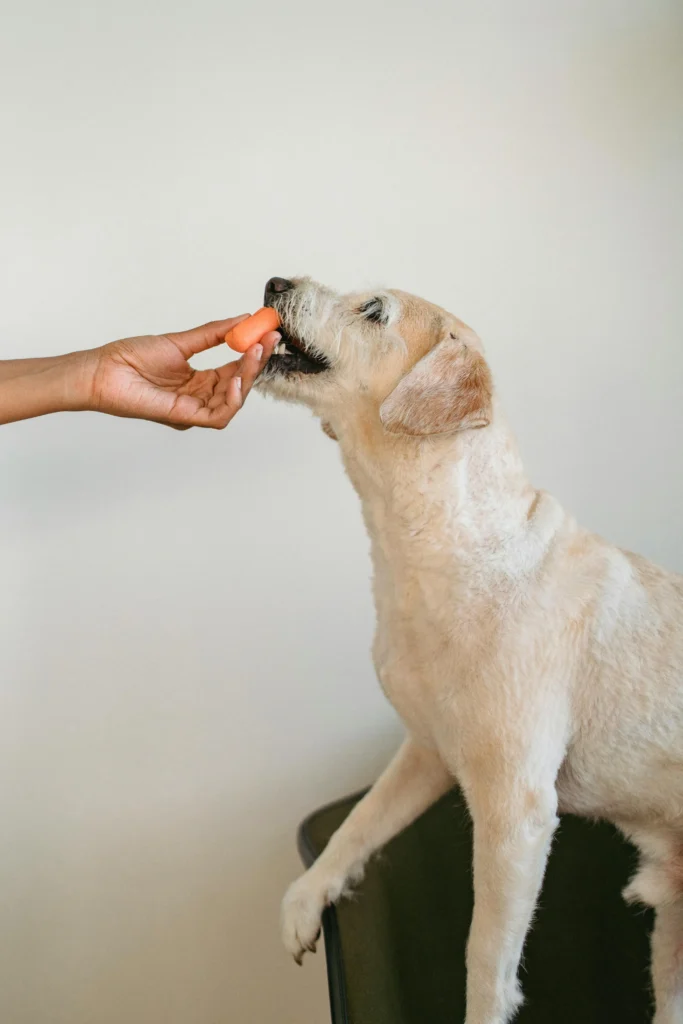
What Causes Weight Gain in Dogs (Even When You’re Trying Your Best)
Many dog parents feel surprised or even guilty when their dog gains weight. In reality, it often happens unintentionally.
Common causes include:
- Portion creep – Scoops slowly get bigger over time
- Treat overload – Training treats, table scraps, and “just because” snacks add up
- Free feeding – Food left out all day encourages overeating
- Busy schedules – Less consistent exercise during work or travel periods
- Spay/neuter changes – Metabolism often slows afterward
None of these mean you’re doing something wrong. They just mean your dog’s diet may need a reset to match their current lifestyle.
Related: Can Dogs Eat Mango and How Much Is Okay?
What a Healthy Dog Weight Loss Diet Actually Looks Like
A healthy dog weight loss diet isn’t about cutting food drastically, it’s about balance.
Key principles include:
- Adequate protein to preserve muscle while losing fat
- Moderate calories, not extreme restriction
- Fibre-rich ingredients to help dogs feel full
- Complete nutrition, even at reduced portions
Weight loss should be gradual. Most dogs should lose weight slowly over weeks or months, not days. Rapid weight loss can lead to muscle loss and nutritional deficiencies.
Think of this as a long-term adjustment, not a temporary “diet.”
Choosing the Right Food for Dog Weight Loss
Not every dog needs a brand-new food to lose weight. Sometimes small adjustments are enough.
Low Calorie Dog Food For Weight Loss
Foods labeled “weight management” or “light” typically contain fewer calories per cup while still providing complete nutrition. These can be helpful for dogs that gain weight easily or need larger portions to feel satisfied.
Dog Weight Loss Food Recommendations
Some dogs do well simply eating:
- Slightly smaller portions of their current food
- Fewer treats
- Healthier, low-calorie add-ins like green beans (with vet approval)
In some cases, your vet may recommend a prescription weight management diet, especially if your dog has medical considerations or needs a hypoallergenic formula.
The key is choosing an option that’s sustainable and appropriate for your dog’s age, breed, and activity level.
Portion Control for Dogs (The Most Overlooked Factor)
Portion control for dogs is one of the biggest — and most overlooked — factors in dog diets for weight loss.
Many dogs are overfed simply because:
- Bowls aren’t measured
- Portions are estimated by eye
- Treat calories aren’t counted
Helpful tips:
- Use a measuring cup or kitchen scale
- Follow feeding guidelines based on target weight, not current weight
- Treat treats as part of daily calories, not extras
At DogPlay, weight changes are often noticed during grooming or handling. Even small portion adjustments can lead to noticeable improvements over time.
Feeding Schedule for Overweight Dogs (Consistency Beats Perfection)
A consistent feeding schedule for overweight dogs helps regulate appetite and prevent constant begging or food-seeking.
Why scheduled meals help:
- Dogs learn when food is coming
- Less grazing and overeating
- Easier portion tracking
- Better digestion
Most dogs do well with two meals per day. Consistency matters more than exact timing. On daycare days, some dogs benefit from lighter meals paired with increased activity, while rest days may require slightly adjusted portions.
At DogPlay, feeding schedules are followed exactly as provided by owners, so even on busy daycare days, pups are fed appropriately without unnecessary extras or overfeeding.
The goal is predictability, not perfection.
How to Help an Overweight Dog Lose Weight Safely
If you’re wondering how to help an overweight dog lose weight, the answer is usually a combination of diet, movement, and routine.
Key elements:
- Gradual calorie reduction
- Daily movement (even short walks count)
- Mental stimulation to reduce food obsession
- Patience and consistency
Exercise doesn’t need to be intense. Regular, moderate activity is safer and more sustainable. Structured play, like supervised daycare, can help dogs burn calories naturally without overstressing joints.
Weight loss should feel manageable for both you and your dog.
Common Dog Weight Loss Mistakes to Avoid
Even well-meaning dog parents can run into setbacks. Some common mistakes include:
- Cutting food too drastically
- Replacing meals with treats
- Inconsistent routines
- Ignoring liquid calories (broths, oils, toppers)
- Expecting results too quickly
Slow progress is still progress. Adjustments should be made gradually and reassessed over time.

How Daycare, Routine, and Activity Support Healthy Weight Loss
Assessing their food alone isn’t always enough. Routine and activity play a big role in a dog weight management diet.
Regular movement helps:
- Burn calories safely
- Build muscle
- Improve mood and energy levels
For busy dog parents, daycare can be a practical way to support weight loss. Dogs benefit from structured play, social interaction, and consistent activity, all without requiring extra time from your schedule.
At DogPlay, we often see dogs naturally improve body condition when diet changes are paired with regular daycare or consistent routines.
FAQs About Dog Diets for Weight Loss
How fast should a dog lose weight?
Most dogs should lose weight gradually. Slow, steady loss is safer and easier to maintain.
Can I put my dog on a diet without seeing a vet?
For mild weight gain, simple diet adjustments may be enough. For significant weight issues or underlying conditions, veterinary guidance is recommended.
Are grain-free foods better for weight loss?
Not necessarily. Weight loss depends on calorie balance and nutrition, not whether a food contains grains.
How do treats fit into a weight loss plan?
Treats should be limited and counted as part of daily calories. Opt for low-calorie options or use part of your dog’s regular kibble.
Should senior dogs lose weight differently?
Yes. Senior dogs may need gentler calorie reductions and lower-impact exercise. Always prioritize joint health and comfort.
Simple Changes That Make a Big Difference

Helping your dog reach a healthier weight doesn’t require perfection, just consistency. Small, thoughtful changes to diet, portions, and routine can lead to noticeable improvements in energy, comfort, and overall wellbeing.
The best dog diets for weight loss are the ones that fit into real life. Whether that means measured meals, fewer treats, or adding structured activity, progress comes from habits you can maintain.
At DogPlay, we’re here to support busy dog parents with boarding, grooming, and daycare near YVR. If you ever have questions about your dog’s routine, activity level, or overall wellbeing, our team is always happy to help. Many families start with a trial day to see how daycare fits into their dog’s routine — because your dog’s health and happiness matter just as much to us as they do to you.
Explore More on Dog Diets & Healthy Eating: