
If your dog has loose or watery stools, you want answers fast. Dog diarrhea is one of the most common health concerns dog parents deal with, and most cases are mild and clear up within a couple of days with the right care at home. Knowing what’s behind it, how to manage it, and when to call the vet makes all the difference. At DogPlay, we’ve helped countless dog parents navigate this exact situation.
What Is Dog Diarrhea and Why Does It Happen?
Dog diarrhea is defined as passing loose or liquid stools more frequently or in larger amounts than normal. It isn’t a disease on its own. It’s a symptom that something has disrupted your dog’s digestive system.
Under normal conditions, the gastrointestinal tract absorbs water as food moves through. When something goes wrong, food moves through too quickly, excess water gets expelled with waste, and loose stools are the result.
The Four Types Vets Recognize
Vets generally put dog diarrhea into four categories:
- Osmotic: Substances pull excess water into the gut, creating large volumes of watery stool
- Secretory: The GI tract overproduces secretions, often caused by bacterial toxins or viruses
- Exudative: The GI lining is damaged, often producing blood or mucus in the stool
- Rapid intestinal transit: Contents move through the colon faster than normal, resulting in watery feces
Each type has different causes and different treatment implications, which is why a vet assessment matters when symptoms are severe or persistent.
The Most Common Causes of Dog Diarrhea
Knowing what triggered the episode is the first step toward responding correctly.
Everyday Triggers
Dietary indiscretion is the most frequent culprit. Dogs eat things they shouldn’t, whether that’s garbage, table scraps, or something picked up on a walk, and their stomach makes them pay for it. Dog diarrhea from dietary indiscretion is usually acute and clears up fairly quickly once whatever they ate has passed through.
Switching food too fast is another completely preventable trigger. Any food change should happen gradually over 7 to 10 days. Going from one food to another overnight is a reliable way to cause digestive upset.
Less Obvious Triggers
Stress and anxiety in dogs cause more diarrhea in canines than most owners realize. New environments, travel, loud noises, and household changes can all bring on loose stools that resolve once the dog feels settled again.
Beyond stress, other causes include internal parasites like giardia and roundworms, bacterial or viral infections including parvovirus, food allergies, inflammatory bowel disease, pancreatitis, certain medications, and underlying organ issues like kidney or liver disease.
Acute vs. Chronic Dog Diarrhea: What’s the Difference?
The distinction matters a lot when deciding how to respond.
Acute Dog Diarrhea
Acute dog diarrhea comes on suddenly and typically resolves within a few days. It’s usually tied to something identifiable like something your dog ate, a stressful event, or a food transition that happened too quickly. Most acute cases in healthy adult dogs can be managed at home with a bland diet and close monitoring.
Chronic Dog Diarrhea
Chronic dog diarrhea persists for weeks or months and almost always signals an underlying health issue. Food allergies, inflammatory bowel disease, and nutrient absorption disorders are all potential causes. If your dog keeps having recurring episodes that won’t resolve, a proper veterinary workup is needed rather than another round of bland food at home.
What Does Stool Colour Tell You?
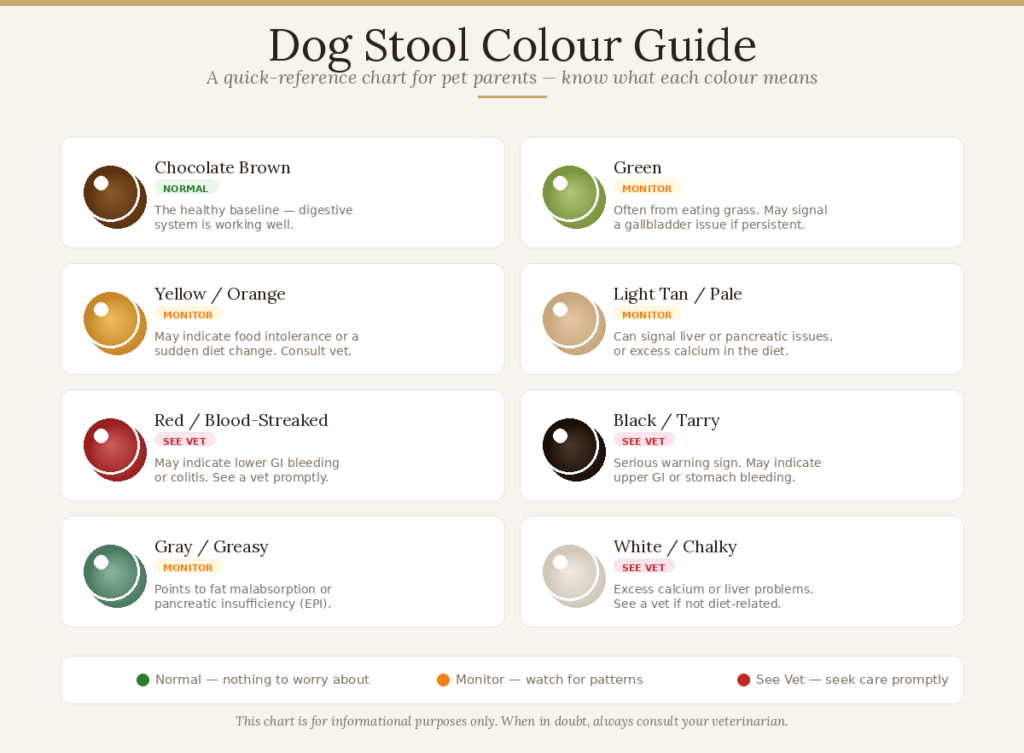
Stool colour offers useful clues when my dog has diarrhea and is worth paying attention to before calling the vet.
- Yellow: Food moving through the digestive tract too quickly, not giving the intestines enough time to absorb nutrients
- Green: Often from eating grass or non-food items, not always alarming but worth noting
- Black or tarry (melena): Indicates partially digested blood from internal bleeding in the upper GI tract. This is a medical emergency
- Bright red blood: Signals bleeding lower in the GI tract and needs urgent veterinary care
Taking a photo of the stool to show your vet speeds up the assessment significantly.
What to Feed a Dog With Dog Diarrhea
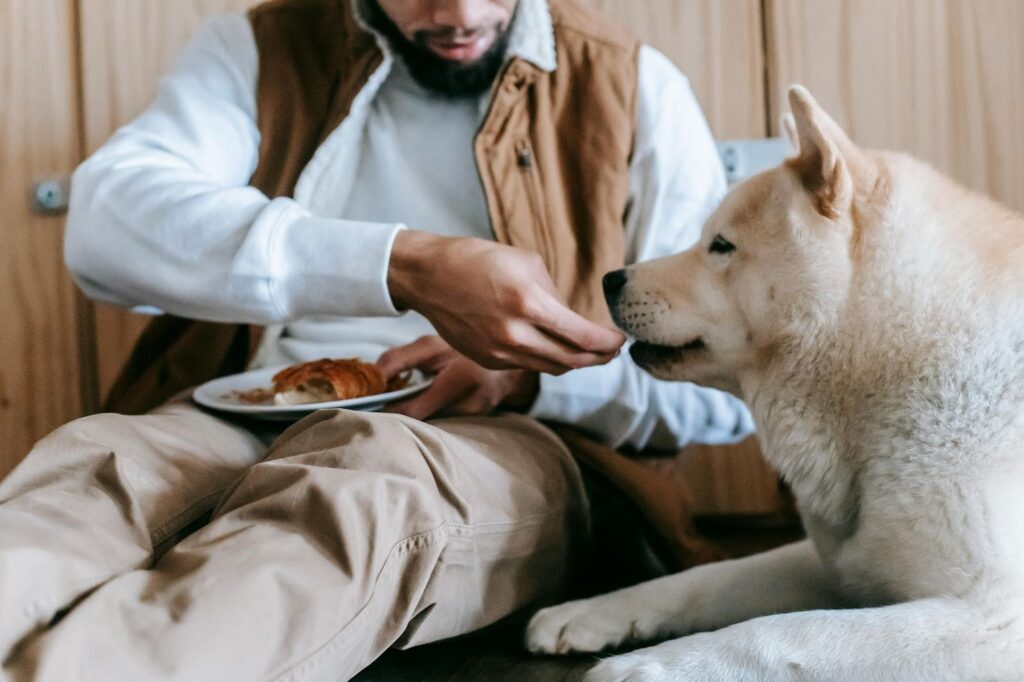
When figuring out what to feed a dog with diarrhea, the most trusted home remedy is a bland diet.
The Bland Diet Formula
Plain boiled white meat chicken with all skin and fat removed, mixed with white rice in a one to two ratio, is the standard recommendation. Keep it completely plain with no seasoning, no butter, and no broth of any kind. Both ingredients are easy on a compromised digestive system and give the gut a chance to recover without added stress.
How to Portion It
Start small. A couple of tablespoons every two to three hours is far better than one large meal. Overfeeding a dog whose gut is already struggling can pull excess water into the intestines and make things worse.
Plain canned pumpkin, not pumpkin pie filling, can be added in small amounts. A tablespoon or two mixed into the bland food helps firm up loose stools thanks to its soluble fibre content. Keep the supplement approach simple and avoid adding too many things at once, as that tends to disrupt recovery rather than support it.
Should You Fast Your Dog First When They Have Dog Diarrhea?
This is one of the most debated questions in diarrhea treatment for dogs, and the answer has shifted a bit in recent years.
The Traditional Approach
The traditional diarrhea treatment approach for dogs has involved fasting for 12 to 24 hours before introducing bland food, giving the gut a chance to settle. This still makes sense when a dog has clearly eaten something they shouldn’t have and you want to let it move through before adding more food.
The More Current Thinking
More recent veterinary thinking favors continuing to feed a highly digestible diet rather than withholding food, based on evidence that easily digestible nutrients can actually support faster recovery. For puppies, senior dogs, or any dog with a known health condition, skip fasting entirely and call your vet first.
Dog Diarrhea Treatment: Probiotics, Fibre, and What Actually Helps
Probiotics
Diarrhea in dogs disrupts the natural balance of bacteria in the gut, and probiotics help restore that balance during and after recovery. Not all probiotics are equally effective though. Your vet can point you toward a veterinary-grade product that actually has evidence behind it rather than just good marketing.
Fibre
Fibre plays a more complex role than most people expect when working out how to remedy dog diarrhea at home.
- Soluble fibre helps absorb water and firms up loose stools, but too much can worsen diarrhea
- Insoluble fibre can swing things the other way toward constipation if overused
- Adding large amounts of either type without guidance from your vet can easily backfire
Adding large amounts of either type without guidance from your vet can easily backfire, which is why keeping the home approach simple tends to produce better results.
When to Consider a Prescription Diet
For persistent cases that don’t respond to home treatment, a prescription veterinary GI diet may be the right next step. These are specifically formulated for easy digestion with appropriate protein and fat levels, and they are far more nutritionally complete than a homemade bland diet, which is only ever meant as a short-term measure.
How Stress and Boarding Can Trigger Dog Diarrhea
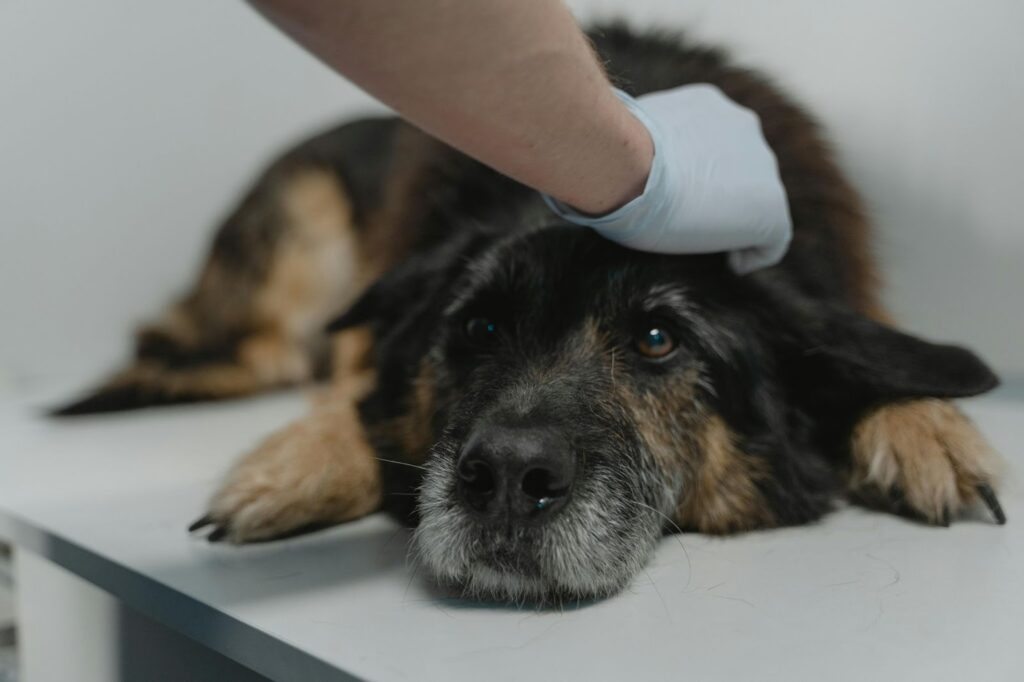
Stress is one of the most underestimated causes of diarrhea in dogs, and it’s something we see regularly at DogPlay. When a dog arrives for dog daycare or a boarding stay, they are adjusting to new smells, new sounds, other dogs, and a completely different daily rhythm than they have at home. Some dogs settle in without any issues. Others need a couple of days to find their footing, and their digestion often reflects that adjustment period.
How DogPlay Handles It
To help prevent diarrhea during a stay, we ask every client to bring their dog’s regular food with feeding instructions and portion sizes. Keeping the diet consistent removes one major variable from an already new environment. We also gather information about each dog’s sensitivities and digestive history during intake so we can take extra care right from day one.
When a dog in our care develops loose stools, we:
- Contact the owner right away
- Monitor closely and track frequency and appearance
- Make sure the dog stays well hydrated
- Recommend veterinary attention if anything looks concerning
Our team is on-site 24 hours a day including overnight, so nothing goes unnoticed. If you are looking for dog daycare in Vancouver where your dog’s health is watched around the clock, that is exactly what we provide here.
When to Stop Home Treatment for Dog Diarrhea and Call Your Vet
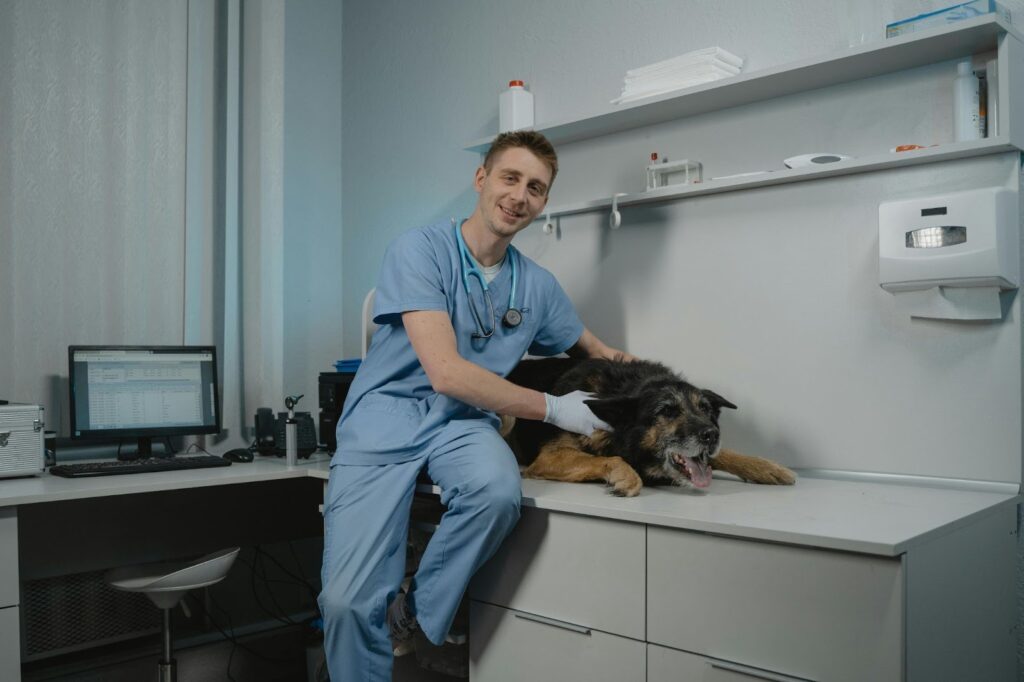
When to Wait and Watch
Mild diarrhea in an otherwise happy, active adult dog can be monitored at home for 48 to 72 hours. If things are improving steadily and your dog is eating, drinking, and acting like themselves, continuing with bland food and close monitoring is reasonable.
When to Call Right Away
Seek veterinary care immediately if you notice black or tarry stool, bright red blood, vomiting alongside diarrhea, significant lethargy, refusal to eat or drink, signs of fever, or a swollen abdomen.
Never give your dog human medications like Pepto Bismol or Imodium without direct vet guidance since many are toxic to dogs and can interact badly with other medications.
How to Prevent Dog Diarrhea Going Forward
Diet and Environment
A few consistent habits make a real difference in how often my dog got diarrhea becomes something you are dealing with. Keep their diet stable, avoid feeding table scraps or rich human food, and transition any new food over at least 7 to 10 days. Store garbage in sealed containers and supervise your dog on walks to stop them from scavenging.
Routine and Preventive Care
For dogs prone to stress-related digestive issues, a predictable daily routine is one of the most effective tools available. Consistent walk times, consistent feeding times, and a calm home environment all support a more settled gut.
Daily probiotics can also help dogs with sensitive stomachs, particularly around travel, food changes, or boarding stays. Regular vet checkups matter too since many underlying conditions are far easier to manage when identified early.
Bottom Line: Your Dog Deserves a Place That Pays Attention
Diarrhea in dogs is stressful, but most cases are completely manageable when you know what you are looking at and how to respond. Keep it simple at home, monitor carefully, and trust your instincts when something feels off. We stay in close communication with dog parents throughout every stay and pay careful attention to every dog in our care. Whether your dog needs dog boarding in Vancouver or regular dog grooming in Vancouver, we are here to make sure they are comfortable, healthy, and happy every single day.