
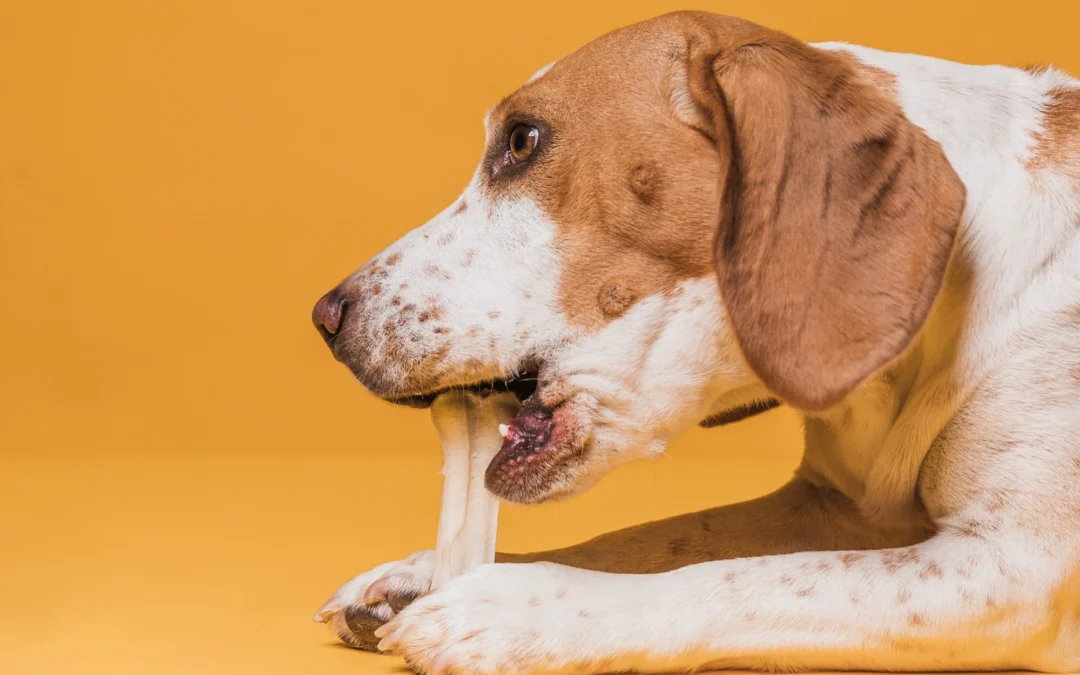
If brushing your dog’s teeth feels like a daily wrestling match, you’re not alone. Many dogs resist toothbrushes, toothpaste, and anything that requires holding still, yet oral health can’t be ignored. Dental chews for dogs offer a practical way to reduce plaque, support fresher breath, and keep mouths more comfortable. Used correctly, they’re easy to work into daily routines—quick, low-stress, and something most dogs actually enjoy.
At DogPlay, we care for dogs every day through daycare, boarding, and grooming, and we see how oral comfort affects energy, appetite, and play. If your dog’s mouth hurts, it shows. Keep reading to learn how to choose chews that work, use them safely, and build a routine that sticks.
Dental Chews For Dogs: Quick Takeaways
- Dental chews for dogs can help reduce plaque and support fresher breath through regular chewing, especially for dogs who won’t tolerate brushing.
- The most effective chews rely on texture and chew time, not just flavor, and should be used consistently.
- Choosing the right chew depends on your dog’s size, chewing style, and digestion, not a one-size-fits-all “best” option.
- Safety matters: chews should be appropriately sized, not overly hard, and always given with supervision.
- Dental chews work best as part of an overall care routine that includes vet checkups and everyday observation.
Dental Chews For Dogs — Do They Actually Work And How Do They Help?
Are dental chews good for dogs? When chosen well and used consistently, they can help. The main benefit comes from mechanical action. As dogs chew, textured surfaces scrape plaque from teeth before it hardens into tartar. Chewing also increases saliva, which helps wash away bacteria and neutralize acids. Some chews add enzymes or compounds that slow plaque formation, but texture and chew time matter most.
Look for vet recommended dental chews for dogs with the Veterinary Oral Health Council (VOHC) seal. VOHC-accepted products are tested to reduce plaque and/or tartar. Chews aren’t a replacement for professional cleanings or brushing, but they’re a strong daily support, especially for dogs who won’t tolerate a brush.
Why Dental Chews For Dogs Matter If Your Dog Hates Toothbrushing
Some dogs simply refuse brushing, no matter how patient you are. Skipping care altogether isn’t an option; dental disease can cause pain, gum inflammation, and bad breath, and it may impact overall health. For these dogs, chews create a routine that’s easier to keep. A once-daily chew after dinner beats an abandoned toothbrush in a drawer.
We also see the behavioral side. Dogs with oral discomfort may chew less, seem irritable, or disengage during play. Consistent use of good dental chews for dogs helps support comfort, which often translates to better energy and social play. For busy parents juggling work and travel, chews provide reliable, low-maintenance care that fits into real schedules.
[Image 1]
Types Of Dental Chews For Dogs And How To Choose The Right One
Not all chews are created equal. Purpose-made dental chews are designed to be firm yet flexible, encouraging longer chew time. These include natural dental chews for dogs made with limited ingredients and plant-based options for sensitive pups. There are also rawhide-style chews and collagen chews; quality and digestibility vary, so supervision matters.
Match the chew to your dog. Size counts—dental chews for small dogs should be appropriately scaled to avoid gulping, while larger dogs need sizes that won’t be swallowed whole. Consider diet and digestion if you’re seeking the best dental chews for dogs with sensitive stomachs, as simpler formulas are often easier to tolerate. For breath concerns, textured chews formulated for odor control can be the best dog dental chews for bad breath when paired with daily use. If you’re wondering what’s the best dental chew for dogs, prioritize VOHC acceptance, proper sizing, and ingredients your dog tolerates.
Dental Chews For Dogs — Safety Tips, Precautions, And What To Avoid
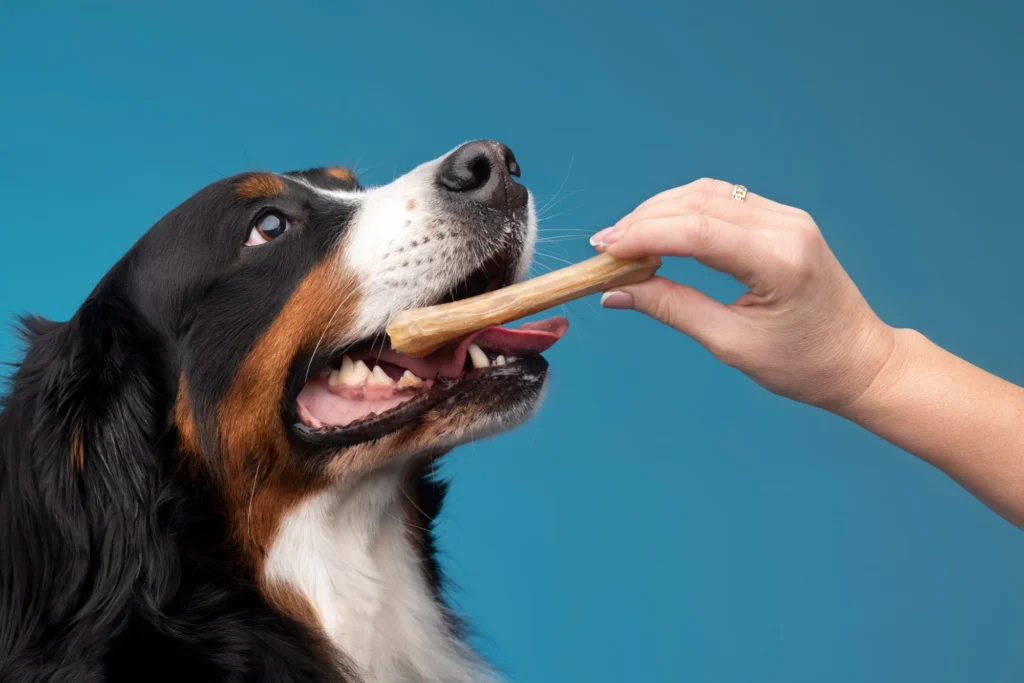
Safety is non-negotiable. Avoid chews that are harder than your fingernail; overly hard items increase the risk of cracked teeth. Skip cooked bones and novelty chews that don’t soften. Watch dogs who gulp treats—choose shapes that encourage chewing rather than swallowing.
Calories add up, especially for smaller or less active dogs, so it’s important to factor dental chews into your dog’s daily intake. Supervision matters every time. At places like DogPlay’s dog daycare in Vancouver, feeding routines are always followed according to each dog’s individual instructions. If dental chews are part of your dog’s normal routine at home, they can be given during daycare or boarding as well, in a calm, supervised setting that prioritizes safety.
How Often Should You Give Dental Chews For Dogs And When Is The Best Time?
Most chews are designed for once-daily use. Follow the package directions and your vet’s advice. Timing matters. Offer chews when your dog is relaxed, such as after dinner or during a quiet evening, not during high-energy moments when excitement can increase gulping or reduce effective chewing. Consistency beats intensity; a daily chew at the same time helps maintain results.
Supporting Your Dog’s Dental Health As Part Of Everyday Care
[Image 2]
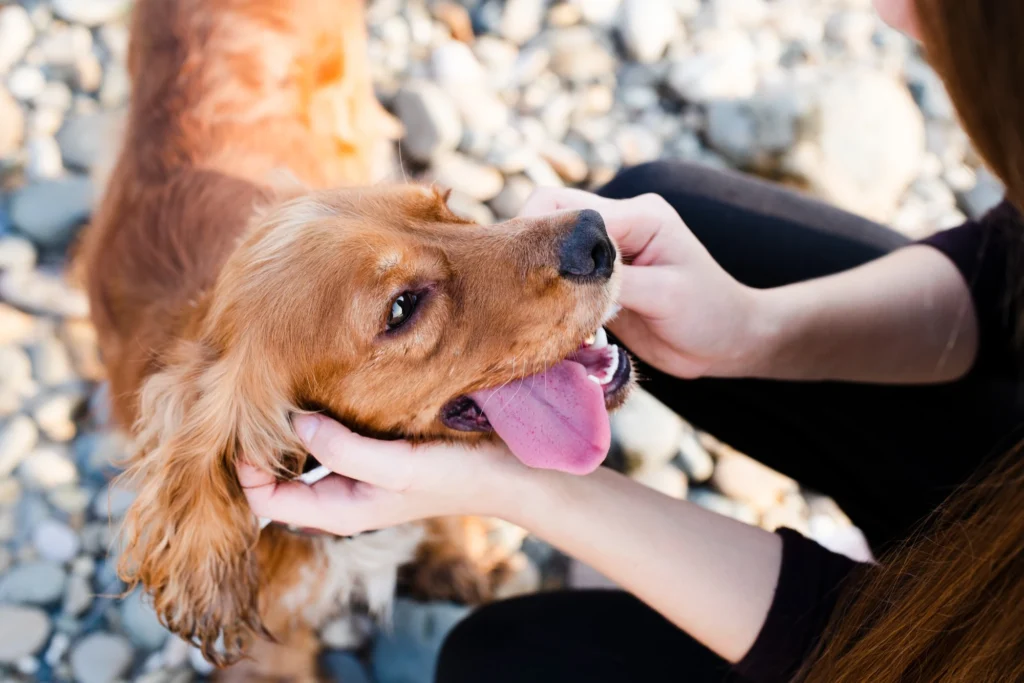
Dental chews work best alongside brushing when possible, regular vet checkups, and everyday observation. Look for signs such as reluctance to chew toys, changes in appetite, favoring one side while chewing, persistent bad breath, or visible gum irritation, all of which can signal dental discomfort.
At DogPlay, our team cares for dogs every day and sees firsthand how small wellness routines, including oral care, can have a noticeable impact on mood, energy, and overall comfort.
Dental chews should be part of a bigger picture that includes professional grooming, consistent routines, and a safe, supervised environment. Simple habits, paired with attentive care, go a long way in keeping dogs comfortable, happy, and thriving. If you’d like to see how your dog fits into a calm, caring routine, you can book a trial day with DogPlay.
More healthy dog tips you might find helpful: