

Can dogs catch a cold from you? No. Even old dogs? No. The viruses behind human colds are species-specific and simply won’t infect dogs. But dogs develop their own respiratory illnesses with nearly identical symptoms, and those spread quickly between pups in shared spaces. At ourdog daycare in Marpole, we run daily wellness checks on every dog that walks through our door because catching early signs of illness protects the whole pack.
Key Takeaways
- Dogs cannot catch the human cold virus, but they develop their own respiratory bugs with nearly identical symptoms
- Dog cold symptoms include runny nose, coughing, watery eyes, lethargy, and reduced appetite
- Most dog colds clear up within 5 to 10 days with rest and hydration
- Vaccinations are the strongest layer of protection, especially against kennel cough
- Any dog showing symptoms should stay away from other dogs until fully recovered
- Laboured breathing, fever, or refusal to eat means it is time to call your vet
Can Dogs Catch a Cold?
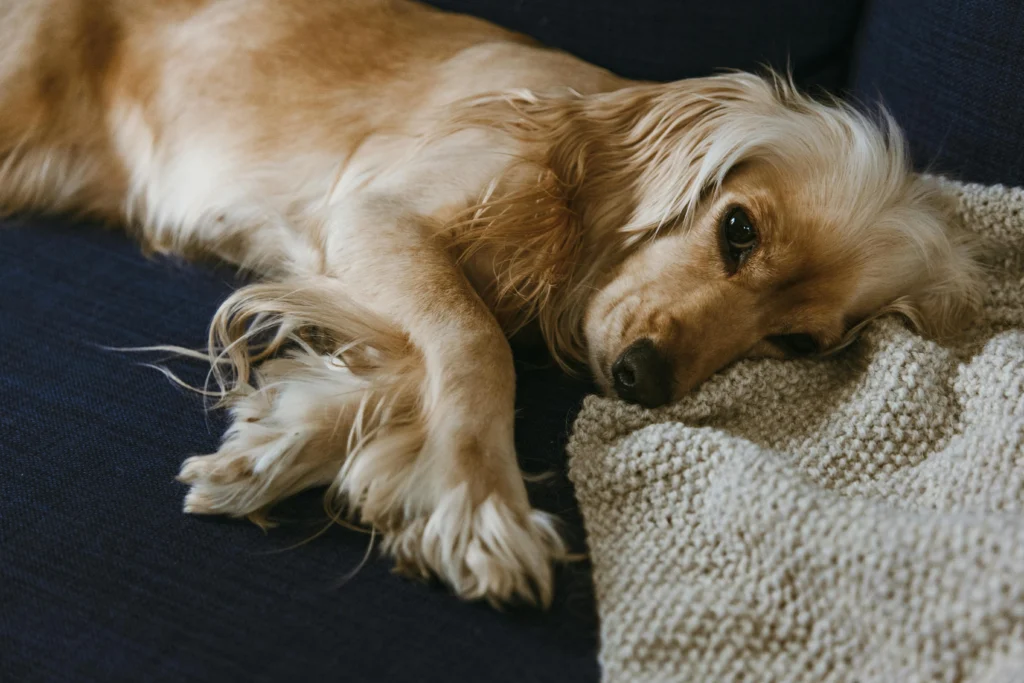
Can a dog catch a cold from you during cold season, or from another dog at the park? The answer depends entirely on which direction the transmission is going, and the two scenarios are very different.
Why Your Cold Won’t Cross Species
Human colds are caused primarily by rhinoviruses, which are species-specific pathogens that only infect humans. Can dogs get colds from people sharing the same household? No. You can let your dog stay close while you recover without any concern about passing your illness to them. Can dogs catch colds from people outside the home, say, someone sneezing nearby on a walk? Still no. And the reverse holds too: you will not catch your dog’s cold either.
What Makes a Dog Cold Different
Can dogs get the common cold in their own version? Yes. Dogs are susceptible to a range of viruses and bacteria that produce runny noses, coughing, watery eyes, and low energy. Veterinarians group these pathogens under the canine infectious respiratory disease complex, or CIRD. The organisms behind dogs and colds are entirely dog-specific, meaning your dog needs to have been near a sick dog, not a sick person, to pick something up.
What Actually Causes a Dog Cold
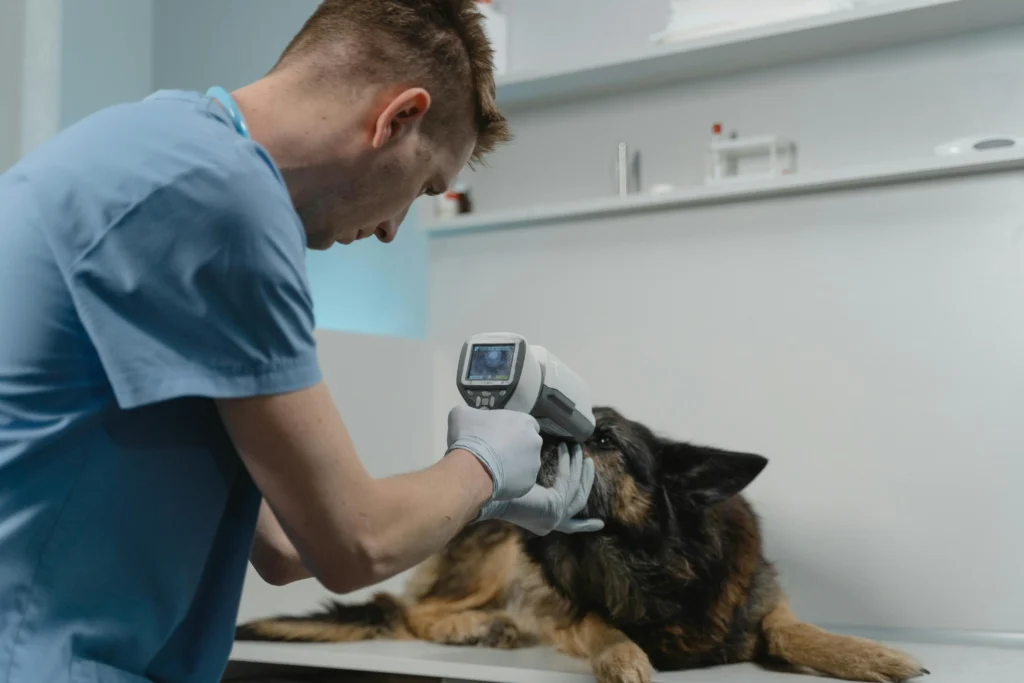
Not every dog cold comes from the same bug, and some are considerably more serious than others.
Kennel Cough Is the One Most Owners Encounter
The canine cold most dog owners eventually deal with is kennel cough, formally known as infectious tracheobronchitis. It is caused by canine parainfluenza virus and Bordetella bronchiseptica, which inflame the trachea and bronchi and produce that distinctive dry, honking cough. Some dogs with kennel cough act completely normal apart from the cough. Others seem flat and off their usual routine.
Transmission happens through aerosols, infected saliva, and contaminated surfaces. A dog does not need direct nose-to-nose contact to pick it up. Sharing a water bowl or sniffing a recently used surface can be enough.
Other Respiratory Bugs Worth Knowing
Canine influenza tends to hit harder, with symptoms of fever in dogs, fatigue, and a cough that can linger for several weeks. Colds in puppies and senior dogs deserve extra attention since their immune systems are either still developing or already working harder than average. Brachycephalic breeds like Pugs and French Bulldogs have a higher risk of breathing problems because their compressed airways leave less room to manage inflammation when illness strikes.
Dog Cold Symptoms to Watch For
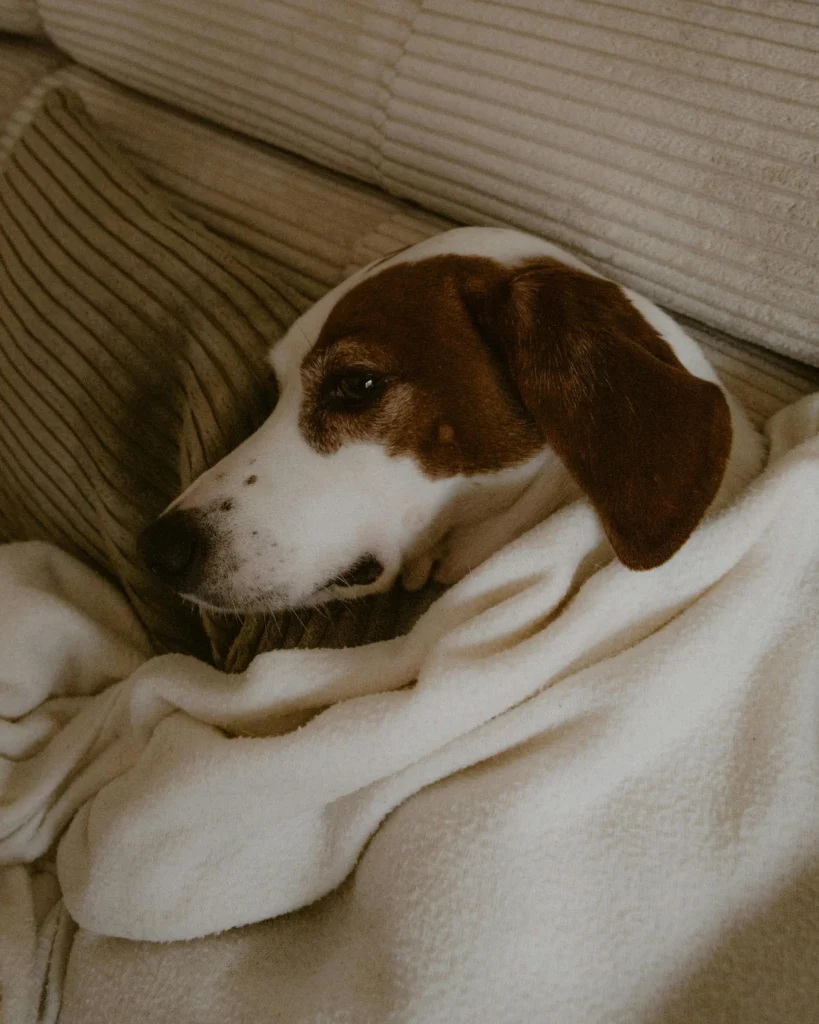
Spotting a dog cold early gives you a real head start on keeping your dog comfortable and stopping the illness from reaching other dogs.
Signs That Mean Watch Closely
Dog cold symptoms look familiar to anyone who has had a cold themselves: a runny or congested nose, watery eyes, sneezing, a rough or honking cough, and low energy. Reduced interest in food is common too. A healthy dog’s temperature normally sits between 38 and 39.2 degrees Celsius, and anything above that range is worth noting when you speak to your vet.
Signs That Mean Call Your Vet
Mild cases typically resolve within 5 to 10 days with rest and good hydration. But some symptoms call for professional attention rather than another day of watching and waiting. If your dog has stopped eating or drinking, seems extremely lethargic, is coughing so hard they are gagging, or shows any difficulty breathing, contact your vet right away. Upper respiratory infections can progress to pneumonia, particularly in puppies, senior dogs, and immunocompromised dogs. One firm rule: never give your dog human cold medication. Many over-the-counter ingredients that are safe for humans are toxic to dogs, even in small amounts.
How Dog Colds Actually Spread
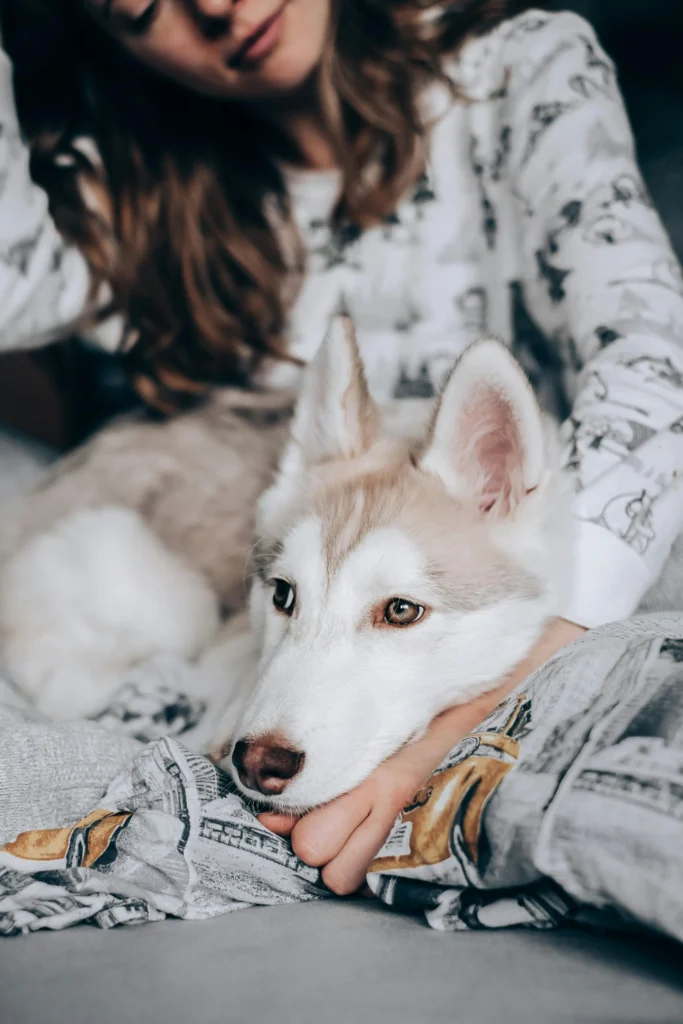
Understanding where dogs and colds tend to cross paths makes it easier to protect your dog without keeping them from the socialisation they genuinely need.
Where Transmission Happens Most
Common cold in dogs spreads most readily wherever multiple dogs share a space: dog parks, boarding facilities, training classes, grooming salons, and daycares. Some respiratory pathogens survive on surfaces for hours; others remain viable for longer. The more dogs sharing an environment, the greater the opportunity for transmission, particularly indoors.
Why the Air at DogPlay Is Cleaner Than You Might Expect
We have not had a single case of canine cough at DogPlay in over a year, and we do not think that is an accident.
A big part of it comes down to the air itself. We run MERV 13 filters throughout the facility, the same grade used in hospitals, which capture up to 85% of airborne particles, including dust, bacteria, and the tiny respiratory droplets that carry illness between dogs. For anything that makes it past the filters, we have an APCO X Ultra UV light system built directly into our air handler. As air cycles through, the UV light breaks down and neutralises remaining bacteria and germs before they can circulate back into the space.
On top of that, we fog the entire facility weekly with a professional disinfectant system that targets bacteria lingering on surfaces, not just in the air.
None of this is visible to you when you drop your dog off in the morning. But it is working in the background every single day, and we think that matters. Clean air is not a bonus feature at DogPlay. It is part of how we take care of your dog.
What a Responsible Facility Does About It
At DogPlay, every dog arriving at our doggy grooming location on Selkirk Street in Marpole gets a visual wellness check before joining the group. Our team looks at eyes, nose, energy level, and overall demeanour at arrival. A dog who usually bounds through the gate but arrives quiet and subdued is communicating something, and we take that seriously even before any physical symptoms are visible.
If a dog shows any dog cold symptoms, they are separated from the group immediately, and the owner is contacted. We require current Bordetella, distemper, and rabies vaccinations for every dog in our care, tracked and enforced without exception. For anyone searching for a dog daycare in Vancouver where health protocols are built into every single day, that consistency is what genuine accountability actually looks like.
How to Care for a Dog with a Cold at Home
If your dog is showing mild symptoms and is still eating and drinking normally, there is a lot you can do to support their recovery right at home.
What Helps
Give your dog a warm, quiet place to rest and keep fresh water within reach at all times. If congestion is dulling their sense of smell and making food less appealing, warming their meal slightly can help by releasing more aroma. Running a humidifier near where they sleep eases breathing and makes the recovery period more comfortable. Keep their toys and bedding clean throughout the illness.
What to Avoid
Keep your dog away from other dogs for the full duration of their illness and for several days after symptoms clear. Skip daycare, dog parks, and any group activities during that window. Strenuous exercise puts added strain on an already inflamed respiratory tract, so keep walks short and calm until your dog is fully back to themselves. And human cold remedies stay off the table entirely, regardless of how mild the product seems.
Your Dog’s Best Shot at Staying Healthy Starts with You
Most cases of the common cold in dogs are not emergencies. They are a few uncomfortable days that pass with rest, warmth, and a watchful eye. What makes the real difference is knowing the symptoms, recognising when something needs professional attention, and choosing care environments that hold themselves to a genuine standard every single day.
When your dog is recovered and ready to get back to the pack, we would love to welcome them in. Explore everything DogPlay offers, from daycare to boarding to grooming, and book your dog’s meet-and-greet today. Your dog deserves a space that takes their health just as seriously as their happiness.