
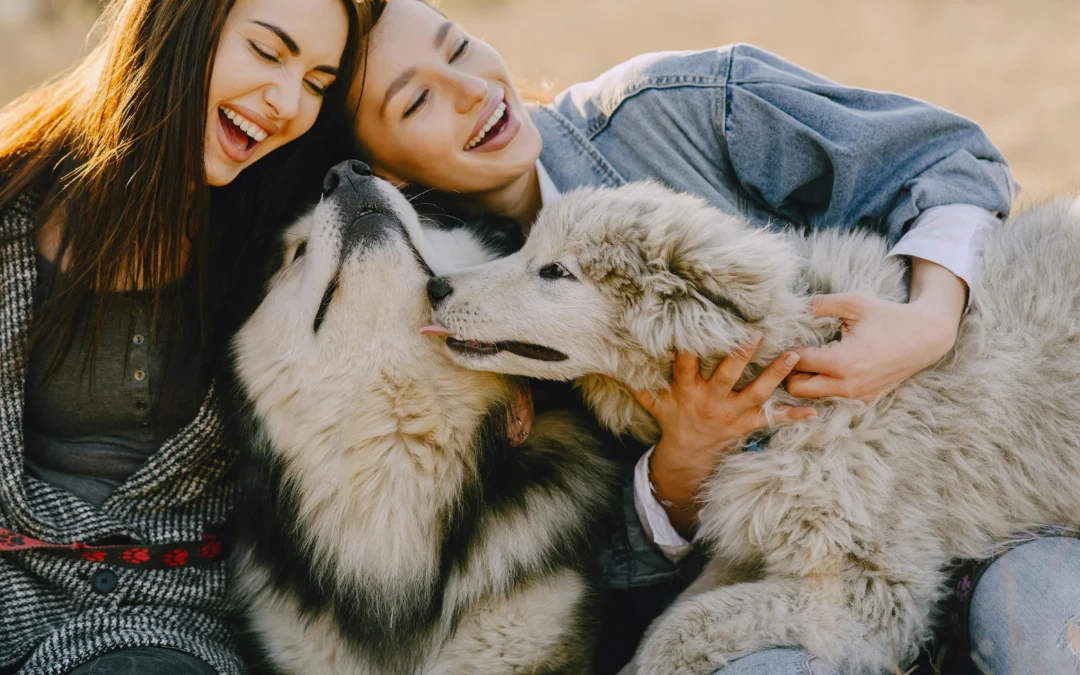
Bonding with your dog isn’t automatic. It’s built through intentional habits repeated over time. Studies in animal behaviour consistently show that a strong human-dog bond produces calmer behaviour, better communication, and a happier life for both of you. If you’re still weighing whether adding a dog to your life makes sense, it’s worth thinking through the full picture first. The 7 methods below are ordered from highest-impact to easiest to start today.
Make Training a Daily Ritual, Not a Chore
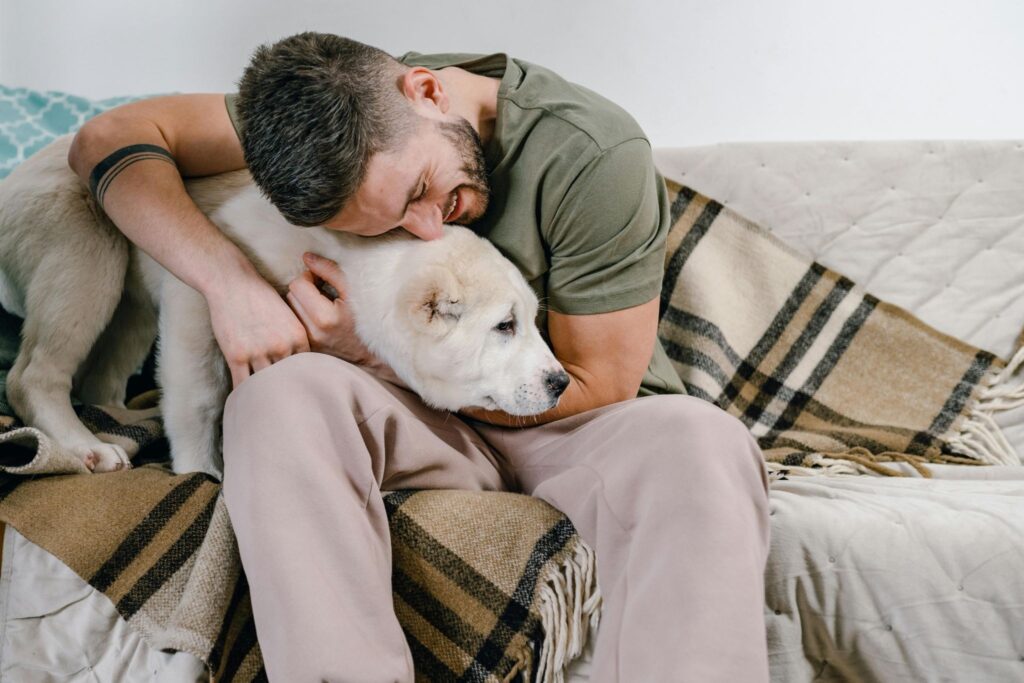
Positive reinforcement training is one of the fastest ways to establish and grow an unbreakable bond. When you train consistently, your dog learns to look to you for guidance, and that habit builds real trust.
Why short sessions beat long ones
Short sessions of five to ten minutes daily are far more effective than occasional long ones. Your dog stays engaged, ends on a win, and builds a positive association with the whole experience.
What reward-based training actually builds
Use treats, praise, or a quick game as a reward, and you’re not just teaching commands. You’re creating a positive emotional association with you specifically. Research published by the National Institutes of Health confirms that reward-based training strengthens the attachment between dogs and their owners in measurable ways. Training also sharpens your ability to read how your dog communicates, which sets up the next section perfectly.
Learn to Read Your Dog’s Body Language
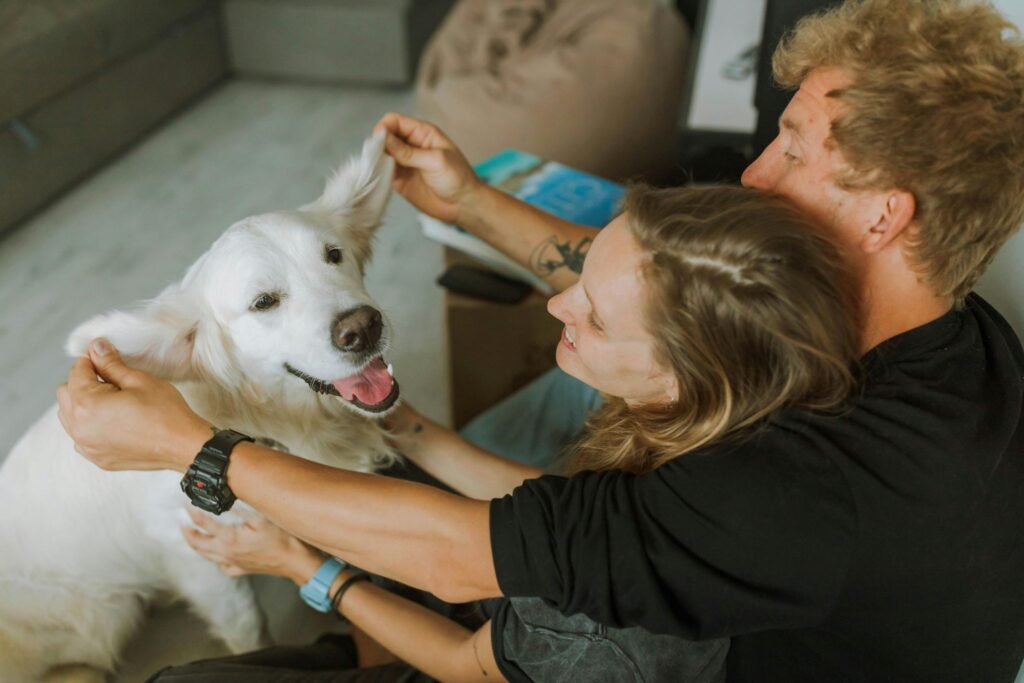
Body language is a two-way conversation, and most owners are only fluent in one direction. Learning to read what your dog is actually communicating is one of the most underrated ways to deepen that special relationship.
Signals that are easy to misread
A yawn can indicate stress, not tiredness. Lip licking in a non-food context often means discomfort. A tucked tail signals anxiety. Knowing what these cues actually mean lets you respond in the moment and build trust with every interaction.
What a relaxed, happy dog looks like
Soft eyes, a loose wiggly body, and a play bow show your dog is comfortable and happy. When you recognise these signals and respond accurately, your dog learns that you understand what they need. For dogs that need extra practice reading social cues, a supervised environment around other dogs is one of the most effective places to build that skill.
Prioritize Quality Time Over Quantity
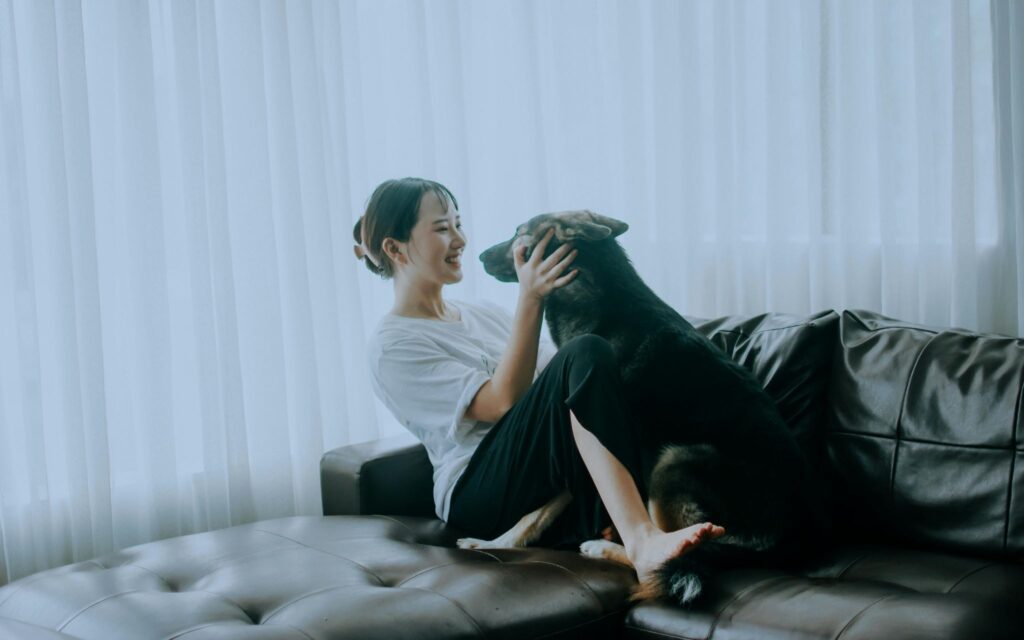
Being physically present and being genuinely engaged are two very different things. The connection comes from the second one.
Passive time vs. engaged time
Passive time, such as your dog napping beside you while you scroll your phone, has its place but doesn’t build connection the way active attention does. Engaged time looks like a sniff walk where your dog sets the pace, a game of tug, a calm grooming session, or simply sitting on the floor together with no distractions.
Why short focused windows are enough
Even 15 focused minutes a day outperforms hours of parallel existence. Small moments of genuine shared attention add up faster than most owners expect. You don’t need a full afternoon. You need to actually show up for the time you do have.
Use Socialization to Build Confidence Together
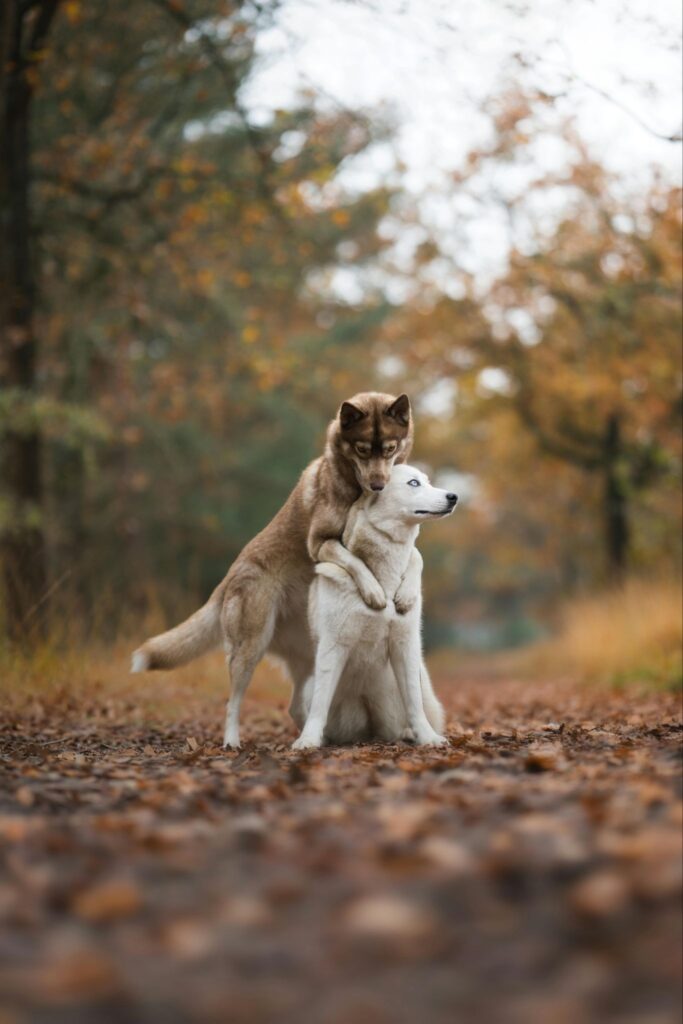
A confident dog is far easier to build a strong, lasting bond with. The process of guiding your dog through new experiences is also one of the most powerful ways to deepen that connection.
Your role as your dog’s anchor
When owners guide their dog through new environments, people, and other dogs, they become their dog’s anchor in an unpredictable world. Each time your dog encounters something unfamiliar and looks to you for reassurance, you have an opportunity to strengthen that connection in a way everyday routine alone cannot replicate.
Why structure makes the difference
Consistent exposure, handled calmly and positively, teaches your dog that the world is navigable because you are there. Dogs attending a structured daycare programme designed around positive exposure get regular practice with all of this in an environment built around exactly those principles.
Create Consistent Routines Your Dog Can Count On
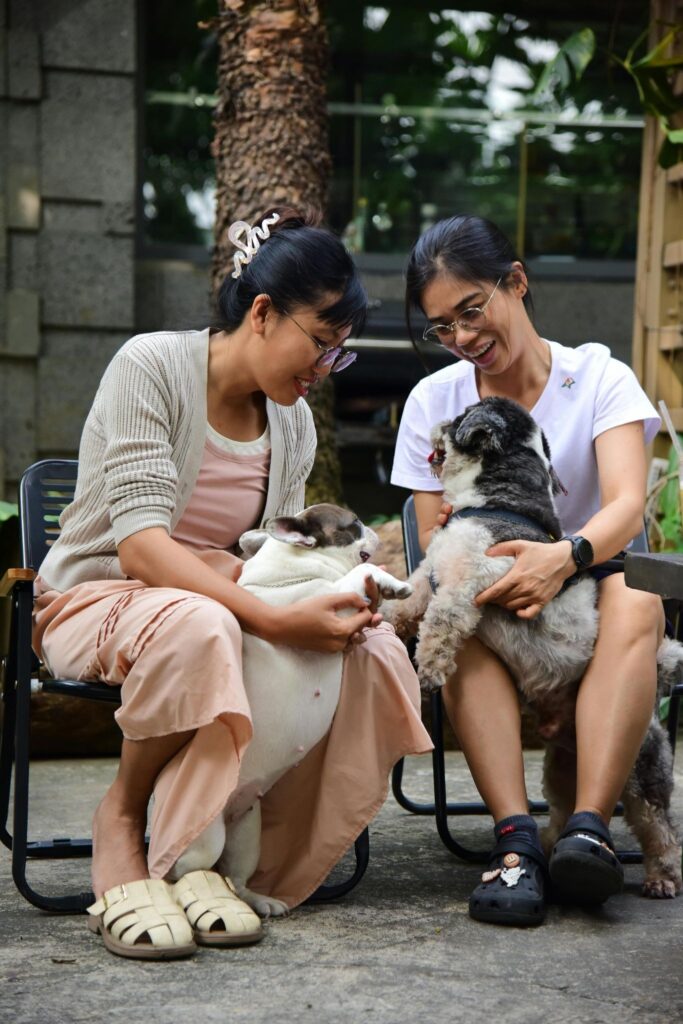
Routine is one of the most underrated tools for building a strong relationship with your dog. It works not because dogs love habit for its own sake, but because predictability creates the safety that trust grows from.
Why predictability matters so much
Dogs find comfort in knowing what comes next. When feeding times, walks, and sleep cues stay consistent, your dog feels safe. This matters especially when bonding with a new dog or a rescue carrying anxiety from past experiences. Every time you follow through, you’re signalling that you can be counted on.
Simple anchors to put in place
Practical anchors include the same morning walk route, a consistent feeding schedule, and a calm bedtime signal. None of these need to be elaborate. Reliability tells your dog, through every repetition, that you’re worth counting on.
Match Activities to Your Dog’s Natural Drives
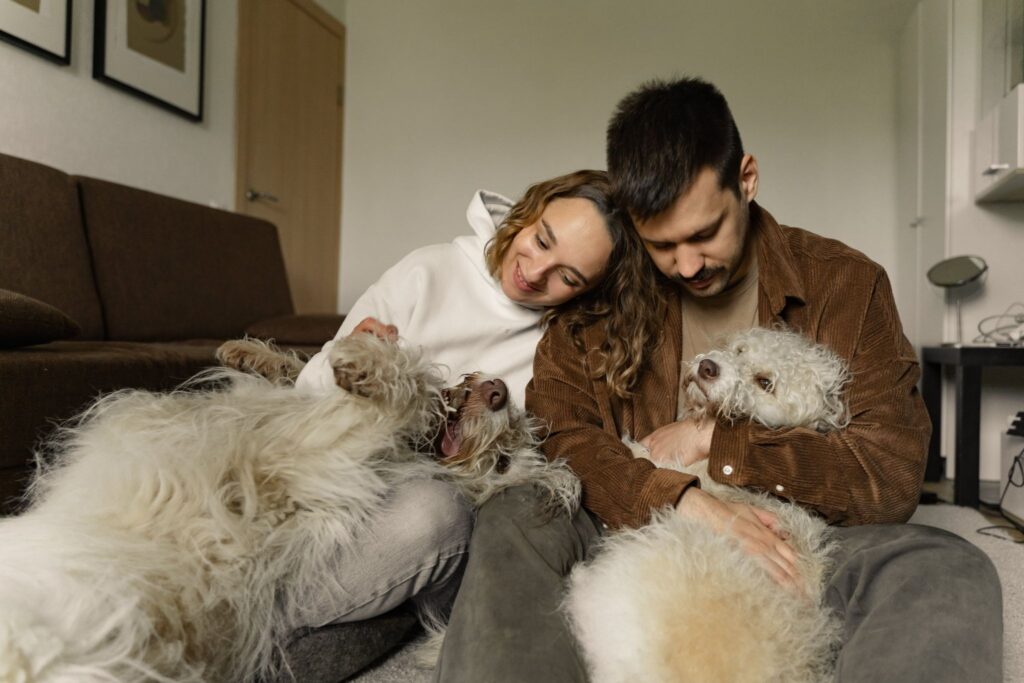
Breed-specific drives are one of the most overlooked ways to strengthen your bond with your dog quickly. Generic walks are fine, but they don’t tap into what makes your dog feel genuinely alive.
Common drives by breed type
Every dog has instincts that make certain activities deeply satisfying. Matching what you do to those drives is one of the fastest ways to see your dog truly light up.
| Breed Type | Natural Drive | Best Activity |
| Herding breeds | Movement and problem-solving | Puzzle feeders, agility |
| Scent hounds | Sniffing and tracking | Long sniff walks, nose work |
| Retrievers | Carrying and fetching | Fetch, swimming |
| Terriers | Resistance and chase | Tug, flirt pole |
What to do with a mixed breed
Watch what excites your dog and follow that lead. When you engage these instincts consistently, your dog lights up in a way generic walks simply don’t produce, and that enthusiasm fuels connection on both ends.
Support Bonding at Every Life Stage
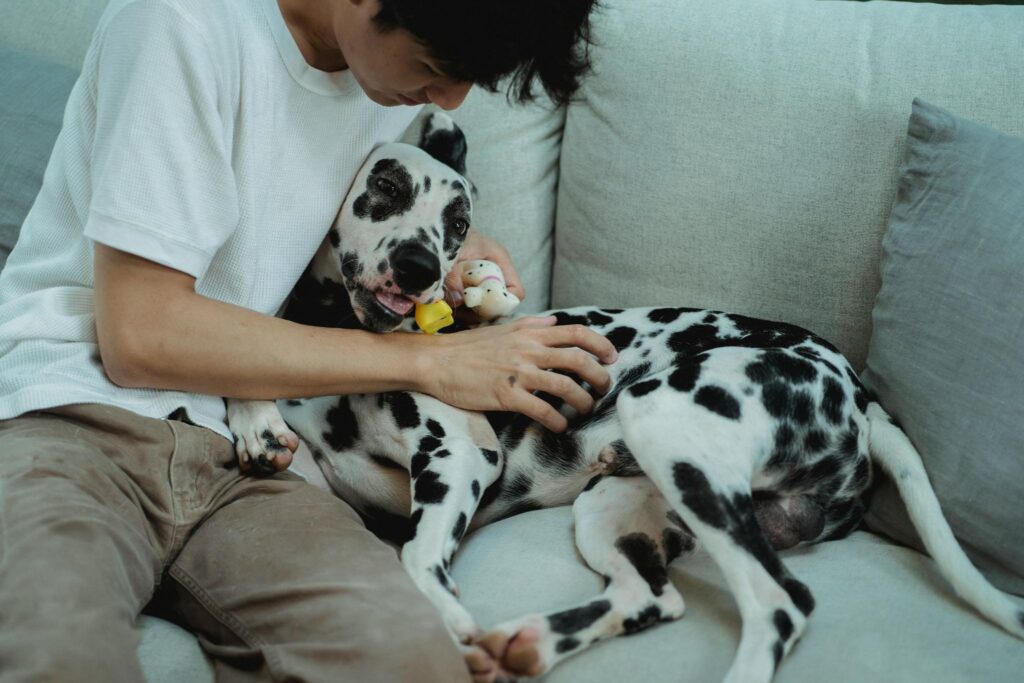
How to build a strong bond with your puppy or dog depends on where they are in life. The approach that works for a confident adult dog won’t necessarily work for a nervous rescue or a senior slowing down.
Puppies and newly adopted dogs
Puppies benefit from gentle handling and early socialisation during their critical development window, and overnight boarding that maintains the same calm, structured care can reinforce that foundation from the very start. Newly adopted adult dogs often need low-pressure interactions first, where patience earns trust before play begins.
Senior dogs
Senior dogs need activities scaled to their comfort, including shorter walks and calm games. A Dog Aging Project study drawing on data from more than 25,000 dogs across the United States found that social connection was among the factors researchers linked to longer lifespans in dogs, making your bond one of the most meaningful gifts you can give your dog.
The Bond You Build Today Shapes the Dog You Live With Tomorrow

Building a strong bond is a daily practice, not a destination. At DogPlay, dogs are cared for like family with expert hands and personalised attention, and trained handlers are always present to support the confidence and social skills you’re nurturing at home. If you’re ready to support your dog in an environment where structured, attentive care is available every single day in Vancouver, our team is here to help every dog thrive. You can also find us when searching for dog daycare in Vancouver and see what makes the difference in person.
FAQs About Bonding with Your Dog
How long does it take to bond with a new dog?
It varies. Some dogs settle in within days, while others, especially rescues, may take weeks or months. Consistent routines, calm handling, and positive experiences are the most reliable way to speed up the process.
Does socialization help with bonding?
Yes. When you guide your dog through new environments and experiences, you become their anchor. That role builds trust in a way that everyday routine alone cannot replicate.
FAQs About DogPlay

What services does DogPlay offer?
DogPlay offers dog daycare, socialisation programmes, and overnight boarding with trained handlers on site around the clock. Every service is built around positive reinforcement, enrichment, and making sure no dog is ever left alone.
How does daycare support my dog’s development?
Structured daycare gives dogs regular opportunities to socialise, build confidence, and burn energy in a supervised environment. For dogs working through anxiety or shyness, it can be genuinely transformative when handled by experienced, caring staff.