
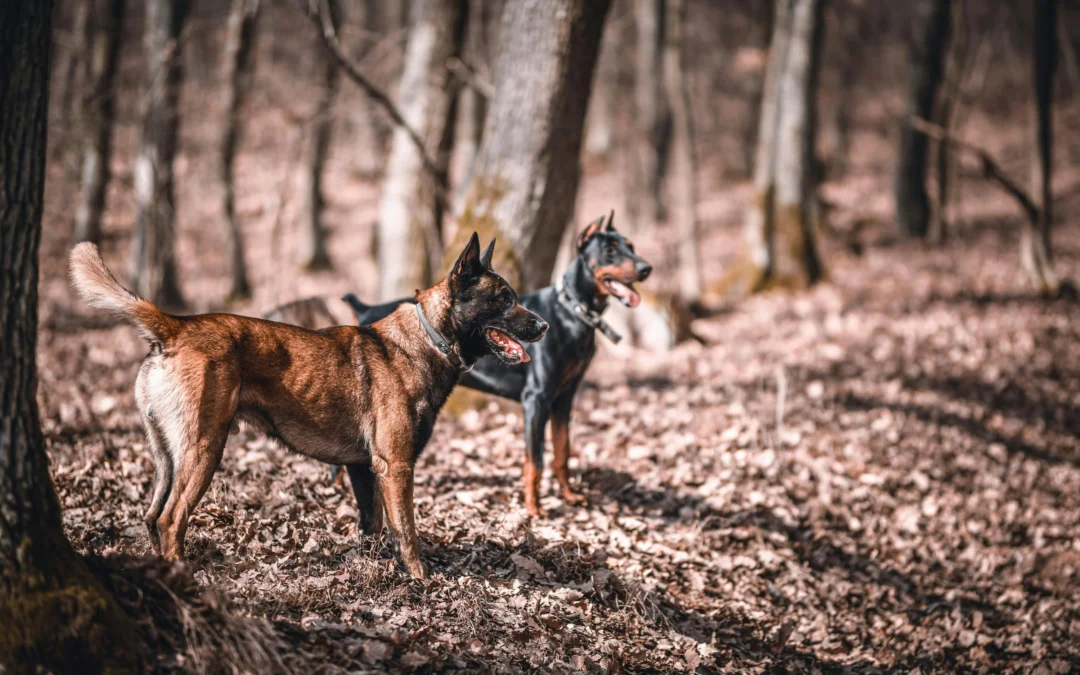
Choosing the right guard dog depends on your lifestyle, living situation, and experience level. The best guard dogs combine natural protective instincts with a stable temperament and genuine affection for their families. Whether you want a calm indoor companion or an athletic working breed, this guide covers everything you need to find the right fit before deciding to get a dog.
Quick Picks: Best Guard Dogs at a Glance
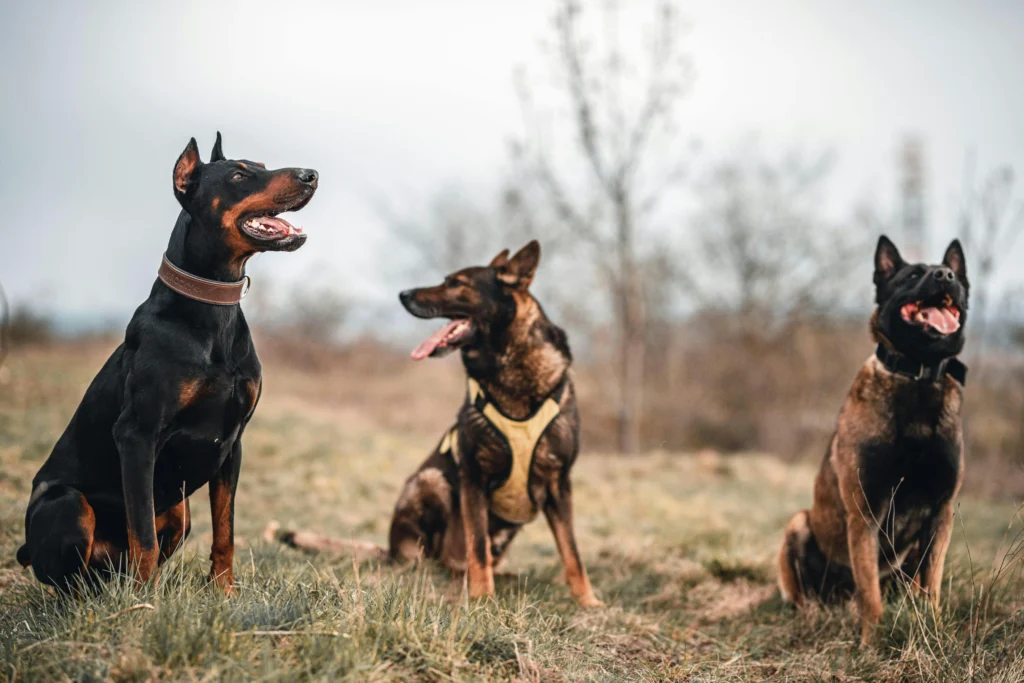
Here is a quick overview of the top guard dog breeds.
| Breed | Best For | Size | Trainability |
| German Shepherd | Active families wanting versatility | Large (50-90 lbs) | Excellent |
| Rottweiler | Experienced owners of houses | Large (80-135 lbs) | Very Good |
| Doberman Pinscher | Active singles or couples | Large (60-100 lbs) | Excellent |
| Bullmastiff | Families wanting calm protection | Giant (100-130 lbs) | Good |
| Boxer | Families with children | Medium-Large (50-80 lbs) | Good |
| Belgian Malinois | Serious active owners/handlers | Medium-Large (40-80 lbs) | Exceptional |
| Akita | Owners wanting a quieter protector | Large (70-130 lbs) | Moderate |
What Makes a Good Guard Dog?
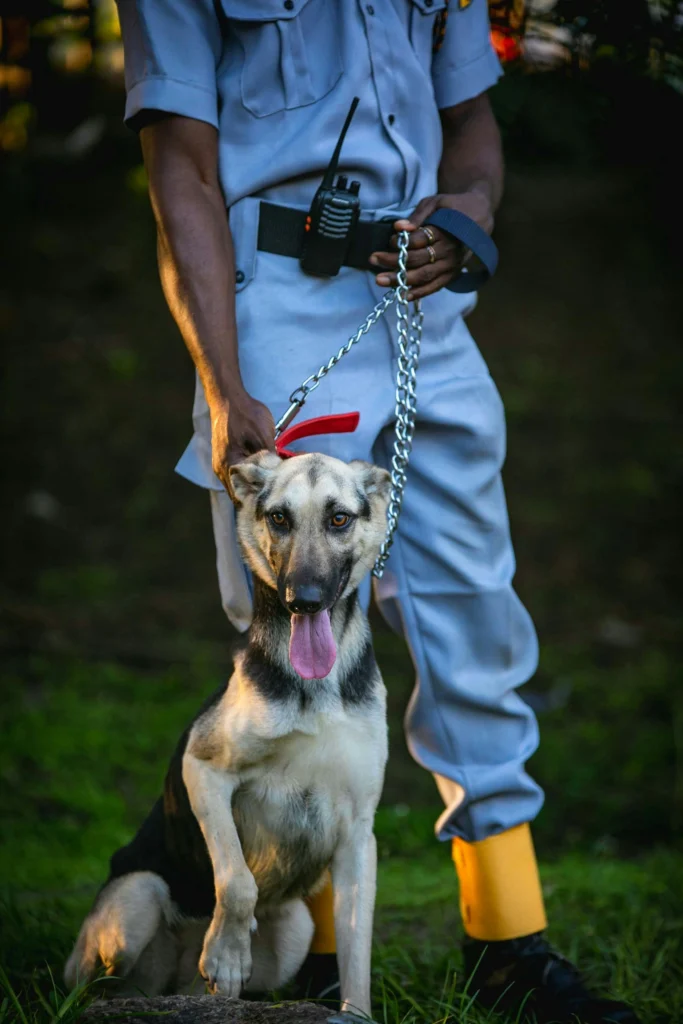
A good guard dog is not simply an aggressive dog. We evaluate protective breeds across six key criteria:
- Trainability and baseline obedience
- The distinction between protective instinct and aggression
- Temperament with family and children
- Physical size and deterrent presence
- Energy level and daily exercise needs
- Compatibility with socialization
Understanding what separates a genuine guardian from a liability is the foundation of a solid choice.
Guard Dog vs. Protection Dog: What’s the Difference?
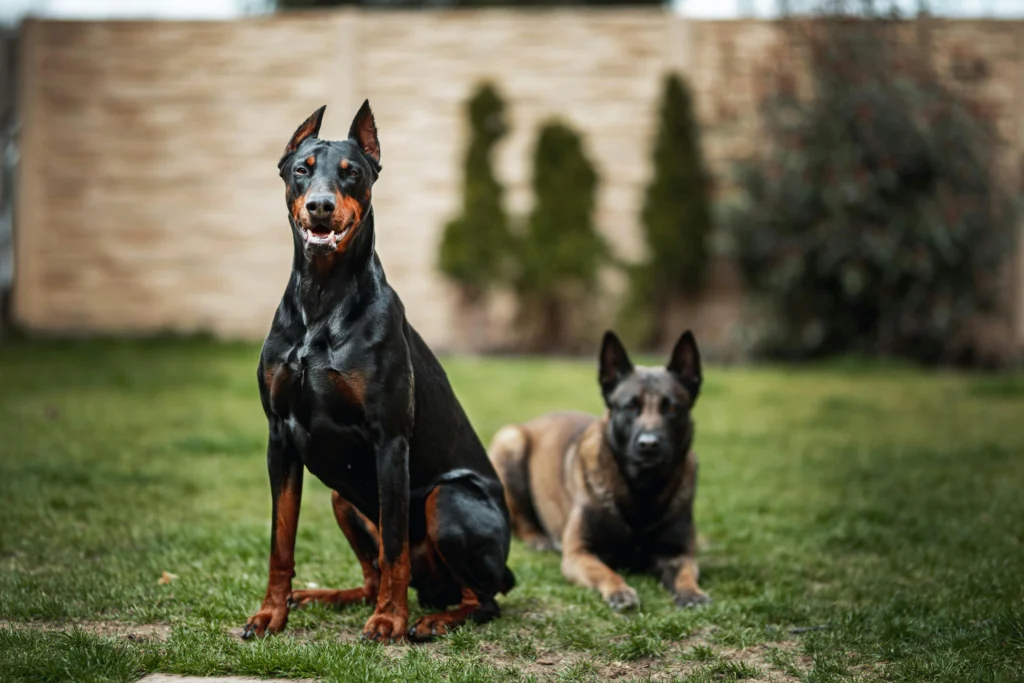
People often use these terms interchangeably, but they mean very different things. A guard dog is naturally alert, deters intruders through presence and barking, and monitors the home environment. Most family-owned protective breeds fall into this category.
A protection dog is professionally trained to respond to threats with physical intervention. This requires a significant investment of time and money, often $5,000 to $15,000 or more, with a certified trainer. For most families, a guard dog provides exactly what they need.
A well-socialized German Shepherd sleeping by the front door offers enormous peace of mind without requiring specialist handling. Knowing the difference helps you choose the right dog rather than paying for training your household does not need.
Top Guard Dogs for Families
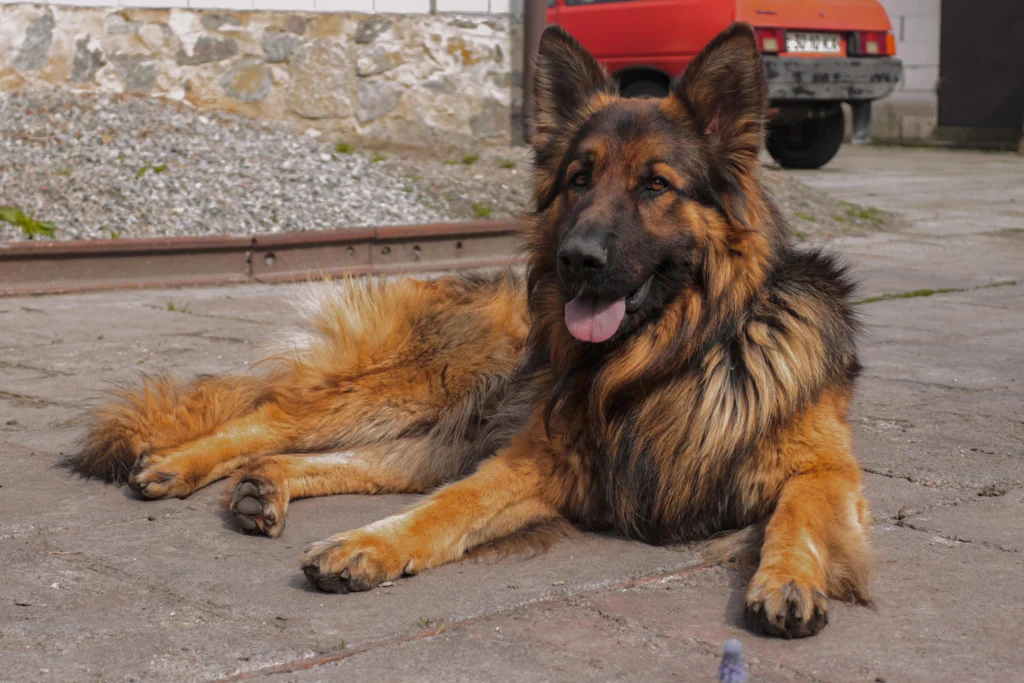
The best protective breeds fit seamlessly into daily family life. The breeds below have a genuine capacity for warmth, loyalty, and deep attachment to the people they live with.
| Breed | Average Puppy Price | Estimated Annual Care Cost |
| German Shepherd | $800 to $2,500 | $1,500 to $2,500 |
| Rottweiler | $1,000 to $2,500 | $1,500 to $2,500 |
| Doberman Pinscher | $1,500 to $2,500 | $1,400 to $2,200 |
| Bullmastiff | $1,000 to $2,000 | $1,800 to $3,000 |
| Boxer | $800 to $2,000 | $1,200 to $2,000 |
| Belgian Malinois | $1,500 to $2,500 | $1,400 to $2,200 |
| Akita | $1,000 to $4,000 | $1,500 to $2,500 |
Export to Sheets
German Shepherd: Best for Active Families
Size: 50-90 lbs | Trainability: Excellent
The German Shepherd is one of the most widely recognized guard dog breeds in the world. Used by police and military forces globally, this breed combines high intelligence with instinctive loyalty. They are excellent with children when properly socialized, and their natural alertness makes them outstanding home guardians.
They shed heavily and need significant daily exercise to stay balanced. A bored German Shepherd will find ways to entertain itself that you will likely not enjoy. They can develop anxiety without adequate stimulation, making them best suited for active households.
Rottweiler: Best for Experienced Owners
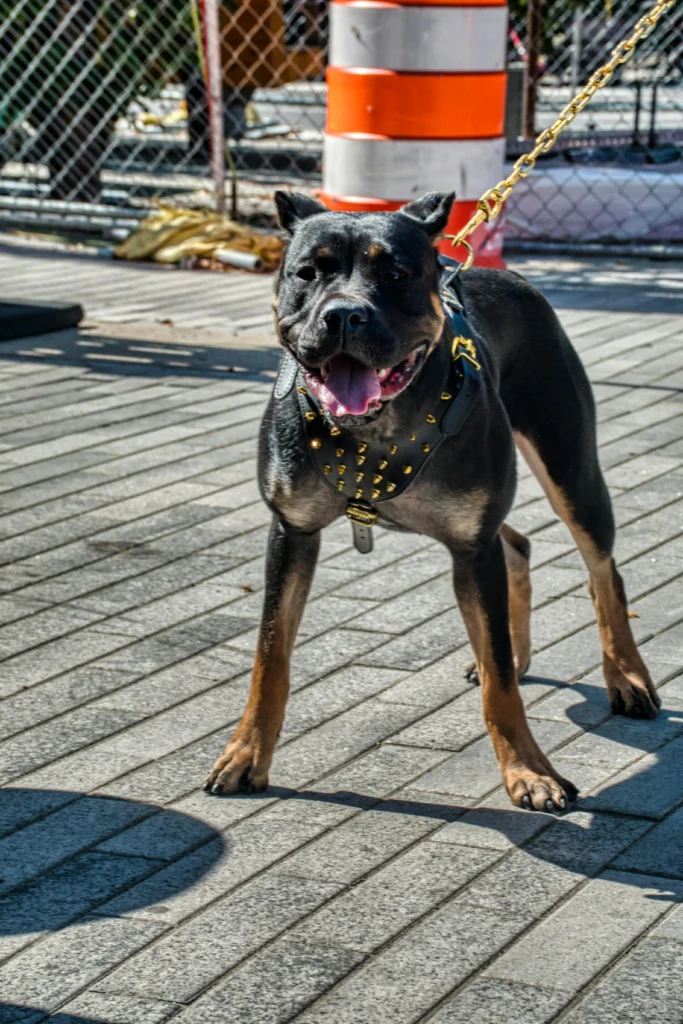
Size: 80-135 lbs | Trainability: Very Good
Historically used to herd livestock and guard in Rottweil, Germany, these dogs are calm, confident, and deeply loyal. A well-raised Rottweiler with consistent training is an affectionate, steady family dog with natural protective instincts that require no manufactured aggression.
They are strong-willed, meaning first-time owners may find them challenging. They also face breed-specific legislation in some municipalities and certain insurance policies. Check your local laws before committing.
Doberman Pinscher: Best for Active Singles or Couples
Size: 60-100 lbs | Trainability: Excellent
Sleek, fast, and exceptionally intelligent, Dobermans bond intensely with their owners and carry a natural deterrent presence. Breed standards emphasize an energetic and determined temperament that is never shy or vicious. This distinction matters enormously in a family setting.
Left alone for long stretches without activity, they become anxious and destructive. They are a superb choice for active owners who can match their energy.
Bullmastiff: Best for Families Wanting Calm Protection
Size: 100-130 lbs | Trainability: Good
Bred by English gamekeepers in the 19th century to track and pin poachers, Bullmastiffs worked silently using body mass rather than biting. Today, they remain naturally protective, physically imposing, and remarkably calm indoors.
Bullmastiffs are gentle with children and do not require the intense exercise that working breeds demand. Downsides include a shorter lifespan of 7 to 9 years, significant drooling, and the need for early socialization.
Boxer: Best for Active Families with Children
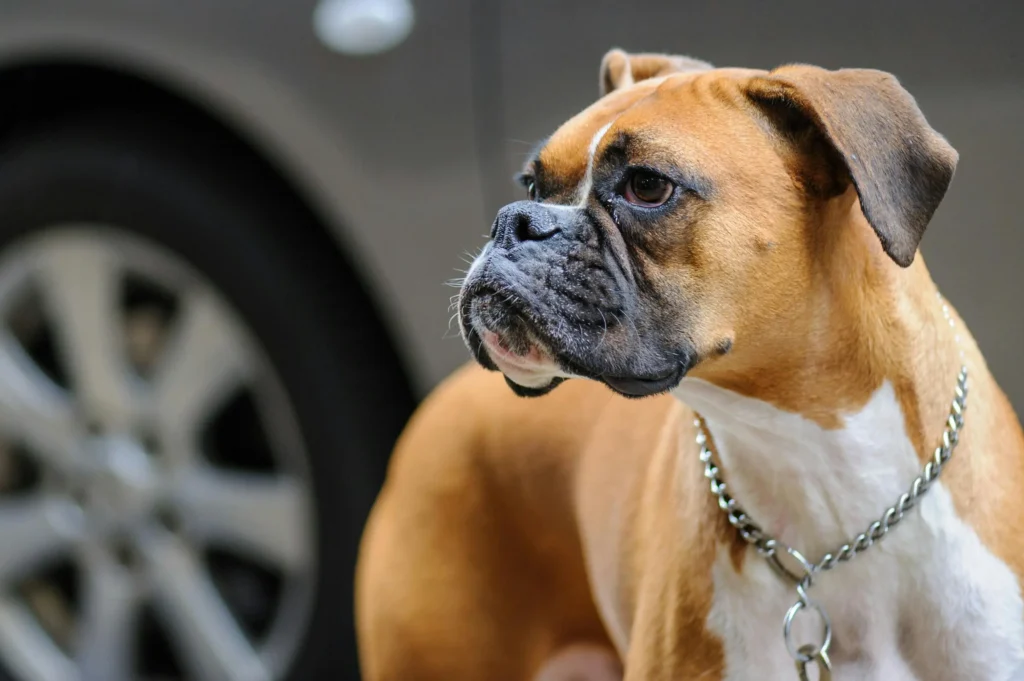
Size: 50-80 lbs | Trainability: Good
Boxers are patient with children, reliably playful, and genuinely alert. Their history as hunting and guard dogs gives them a solid protective instinct without the intensity of a working breed.
The boisterous energy that makes Boxers lovable with older kids can overwhelm toddlers. They are also sensitive to extreme heat. Consistent training and early socialization make Boxers wonderfully balanced family members.
Belgian Malinois: Best for Highly Active Owners
Size: 40-80 lbs | Trainability: Exceptional
Malinois have extraordinary intelligence, a tireless work drive, and intense loyalty to their handler. When trained properly, they are highly capable guard dogs.
A Malinois without a job, structured daily exercise, and an experienced handler will become a serious problem. This breed is absolutely not suited for sedentary households.
Akita: Best for a Quieter Protective Breed
Size: 70-130 lbs | Trainability: Moderate
The Akita is a watchful and reserved protector. They are less likely to alarm bark but remain deeply aware of everything around the home. Helen Keller is credited with bringing the first Akitas to the United States in the 1930s, highlighting the breed’s long cultural association with loyalty and dignity.
Akitas can be dog-aggressive, particularly with same-sex dogs. Multi-pet households can be challenging without early socialization and mental stimulation, which severely benefits dogs of all stages of life.
Guard Dog Costs: Pricing, Training, and Care
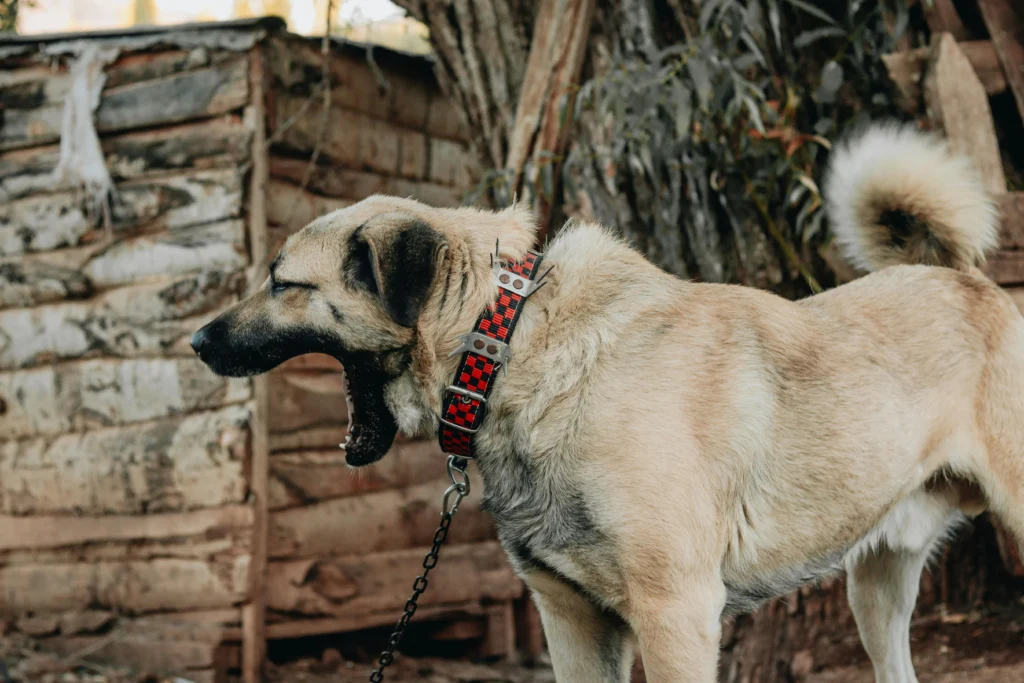
Guard dog breeds carry costs well beyond the purchase price.
Training Investments
- Professional Obedience Training: Budget between $500 and $2,000 for group or private sessions, depending on your location and the format you choose.
- Formal Protection Training: If you plan to hire a certified professional for specialized protection work, expect to pay $5,000 to $15,000 or more. This training should only begin after a rock-solid obedience foundation is already in place.
Health and Maintenance Costs
- Health Screenings and Genetic Testing: Reputable breeders include these upfront costs to protect against expensive inherited conditions common in large breeds, like hip dysplasia and bloat.
- Pet Insurance: Given the health risks associated with large breeds, pet insurance is worth serious consideration. Monthly premiums typically run from $50 to $100 or more.
- Grooming Routines: These expenses vary widely depending on the dog you choose. A German Shepherd needs regular dog grooming, brushing, and undercoat maintenance, while a Bullmastiff is a more low-maintenance dog option.
Legal Liability and Insurance
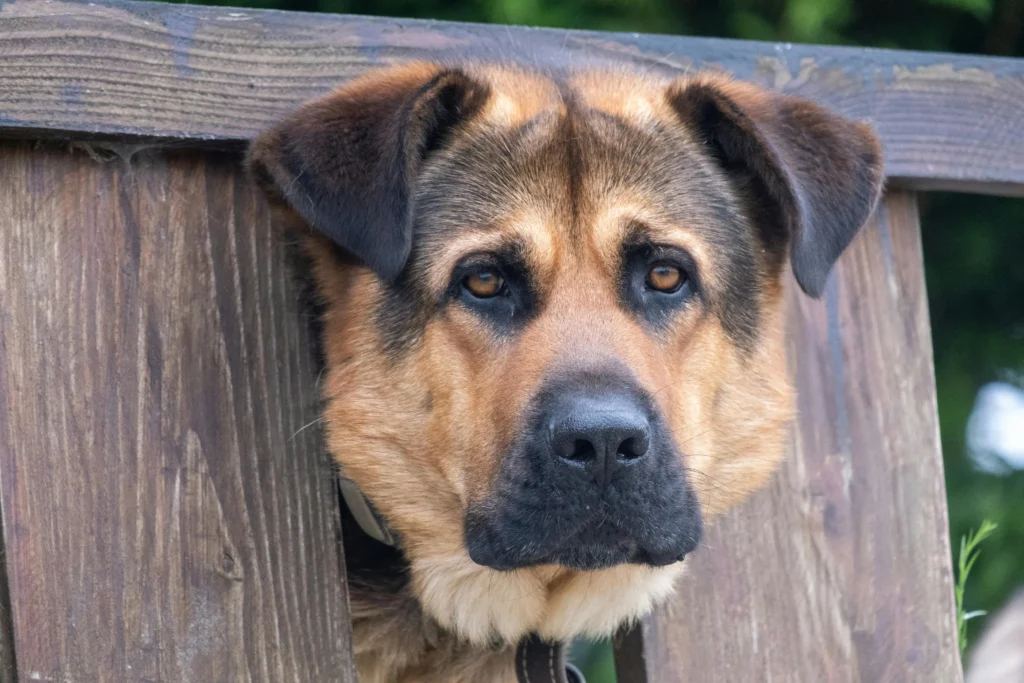
Owning a guard dog comes with real legal responsibilities. Breed-specific legislation (BSL) restricts or bans certain breeds outright in some cities, including Rottweilers, Dobermans, and breeds visually resembling Pit Bulls. Check your municipal bylaws before purchasing.
Homeowners’ and renters’ insurance adds another layer of complexity. Many insurers exclude specific breeds from coverage, apply surcharges, or deny claims if you own a restricted breed without disclosing it. Call your insurer and ask directly about breed restrictions before bringing a dog home.
Legal liability is straightforward in most jurisdictions. If your dog bites or injures someone, you are responsible. Leash laws, containment requirements, and registration rules exist to protect both the public and the owner.
Before You Buy: Check These 3 Things
- Check your local breed-specific legislation.
- Review your homeowner’s or renter’s insurance policy for breed exclusions.
- Confirm HOA or rental agreement restrictions on dog breeds and sizes.
Ready to Bring Home a Protective Companion?
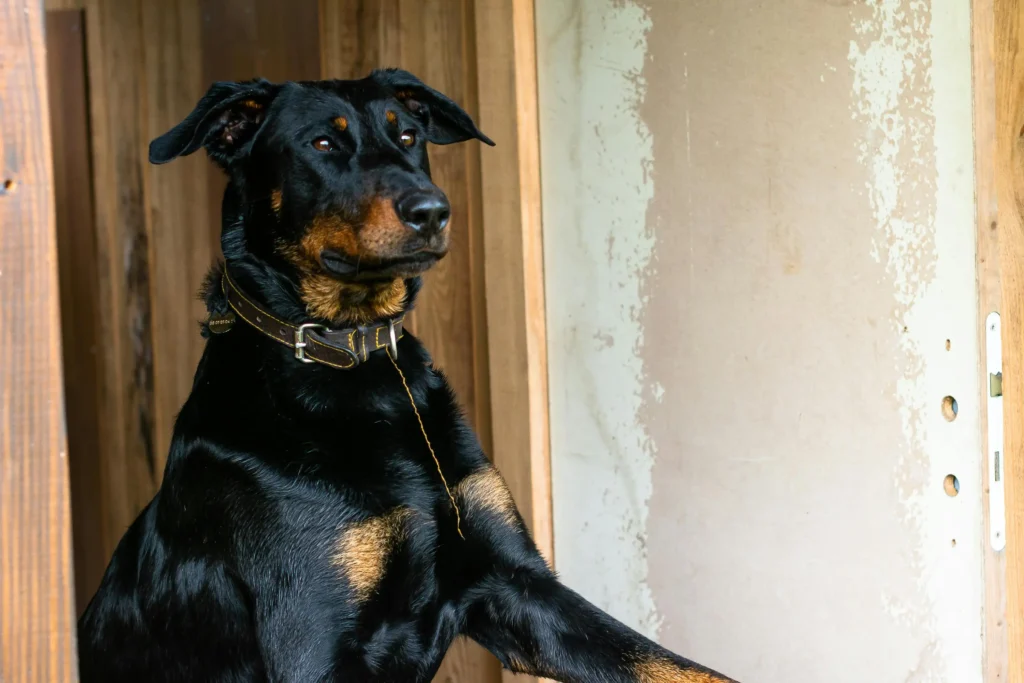
Selecting a protective breed is a major decision that impacts your household, your budget, and your daily routine. Whether you lean toward the highly trainable German Shepherd or the calm and imposing Bullmastiff, the success of your new companion ultimately comes down to your commitment to early socialization and consistent training.
Start by reviewing your local bylaws and homeowner’s insurance policies today. Once you have cleared the legal and financial checks, begin reaching out to reputable breeders or rescues who prioritize stable temperaments. If you are looking for a dog daycare in Vancouver and want to build a rock-solid socialization foundation for your new guard dog, reach out to DogPlay to join the doggy daycare waitlist and set your dog up for lifelong success.