
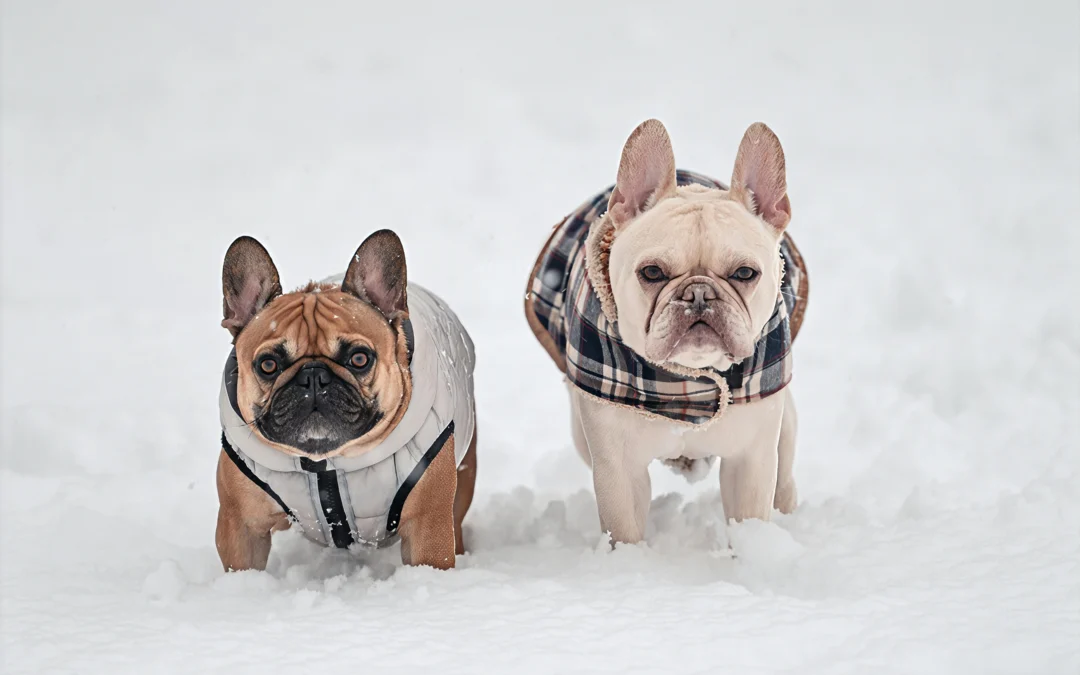
Winter dogs are not simply dogs that put up with cold weather. They are breeds purpose-built for it, with dense double coats, Arctic or mountain working heritage, and a genuine love of sub-zero conditions. If you share your home with one of these breeds, here is what they are built for and what they still need from you when the temperature drops. Start with a warm, active day at DogPlay’s dog daycare to burn off that cold-season energy.
Breeds Built to Handle the Cold
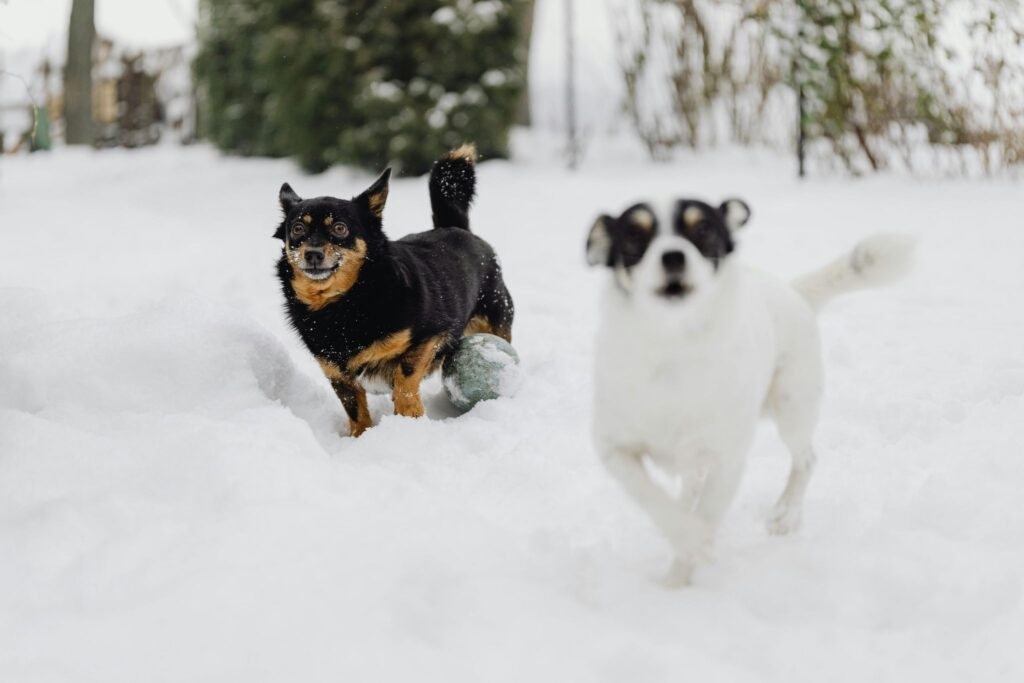
Not every fluffy dog earns the cold-weather label. The breeds below share a specific combination of coat structure, body type, and working history that makes snow feel like home turf.
Siberian Husky and Alaskan Malamute
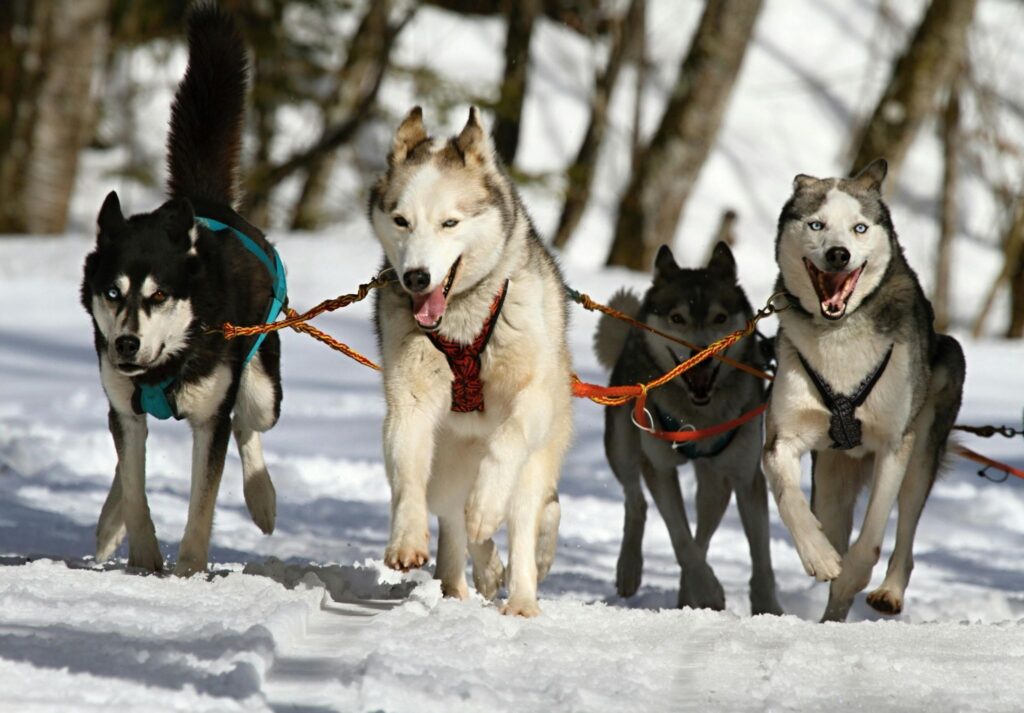
These two Arctic breeds top every cold-weather list for good reason. Bred to haul sleds across frozen tundra, both carry dense double coats that insulate well below -20°C. The Husky is built for speed and endurance; the Malamute for power and freight. Both need significant daily exercise regardless of season. A bored Husky in winter is a creative and frequently destructive one.
Samoyed, Bernese Mountain Dog, and Saint Bernard
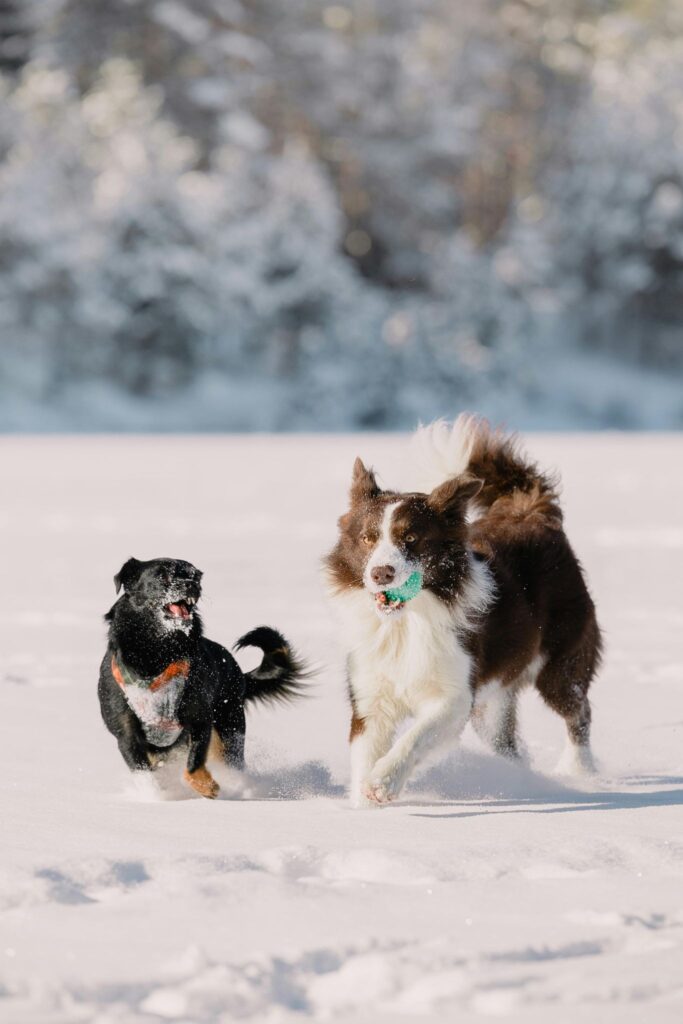
The Samoyed’s brilliant white double coat was designed for Siberian nights. The upturned corners of the mouth actually prevent drool from freezing to their face, which is a practical feature as much as an endearing one. The Bernese Mountain Dog and Saint Bernard come from Alpine working traditions, used for herding, hauling, and mountain rescue. Their coats handle cold and wet conditions with ease, though Saint Bernards can overheat indoors if rooms stay too warm.
Norwegian Elkhound, Finnish Lapphund, and Tibetan Mastiff
These three deserve more attention from cold-climate owners. The Norwegian Elkhound hunted moose through Nordic winters. The Finnish Lapphund herded reindeer across Arctic tundra for the Sámi people. The Tibetan Mastiff guarded livestock at high Himalayan altitude and carries one of the thickest double coats of any breed. All three do best with owners who spend genuine time outdoors.
What Winter Dogs Need to Stay Safe and Comfortable
Knowing your breed thrives in cold weather does not mean skipping the basics. A winter dog still need attention to paws, coat condition, and realistic temperature limits.
Paw Protection on Salted Pavement
Sidewalk salt is one of the most overlooked urban winter hazards. It accelerates cracking and irritation on paw pads, and dogs often lick their paws after a walk, ingesting the chemical residue. Paw wax or properly fitted booties are a simple fix. If booties are not in the rotation, rinse paws thoroughly after every walk.
Why Grooming Matters More in Winter
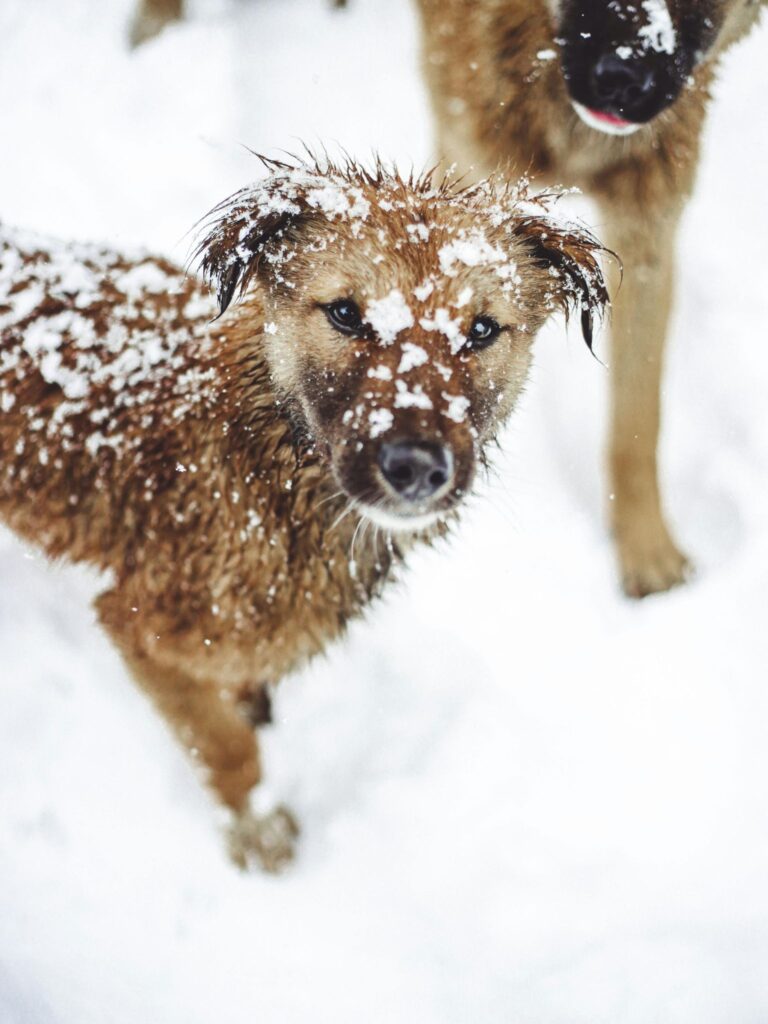
A well-maintained double coat insulates far more effectively than a neglected, matted one. Matting traps moisture against the skin and reduces the coat’s ability to regulate body temperature, which works against the very thing these breeds are built for. A professional deshedding treatment before the coldest months helps the coat function as designed. Our dog grooming team at DogPlay works regularly with double-coated breeds and can keep your dog’s coat in proper working shape all season.
Know the Real Limits
Even the hardiest breeds have a threshold. Below -20°C, most dogs face genuine frostbite risk on ear tips and paw pads. No dog should be left outside overnight in freezing temperatures without a warm, dry space to retreat to.
If you are unsure where to draw the line on your daily walks, our guide on when it is too cold to walk your dog breaks it down by temperature and breed size. The Canadian Veterinary Medical Association’s cold weather guidelines are a solid resource for understanding exactly what your dog faces when temperatures drop sharply.
Your Cold-Weather Dog Belongs Somewhere That Gets It
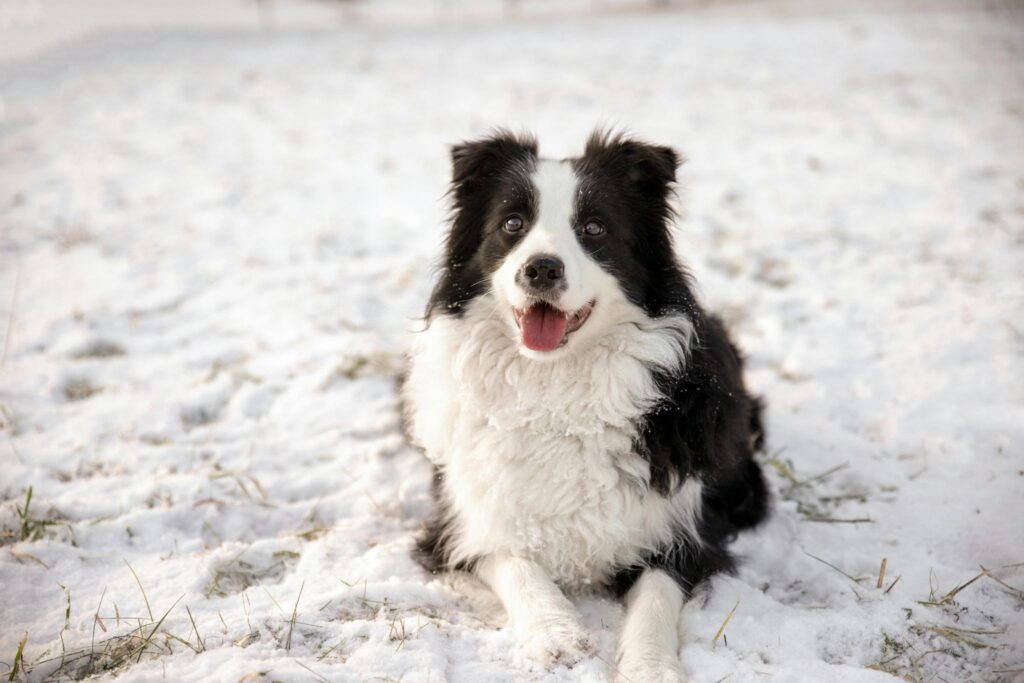
At DogPlay, we are open 365 days a year with fully indoor, climate-controlled dog boarding and daycare all under one roof in Marpole. Our staff are FetchFind certified with Canine First Aid training, and your dog is never left unsupervised. Whether your pup needs a place to run during a packed winter week or a proper deshedding before the cold really sets in, we have them covered.
Ready to book? Reach out through our contact page and we will set up a meet and greet. Find us at 8849 Selkirk Street, or look us up as your trusted dog daycare in Vancouver.
FAQs About Dogs of Winter
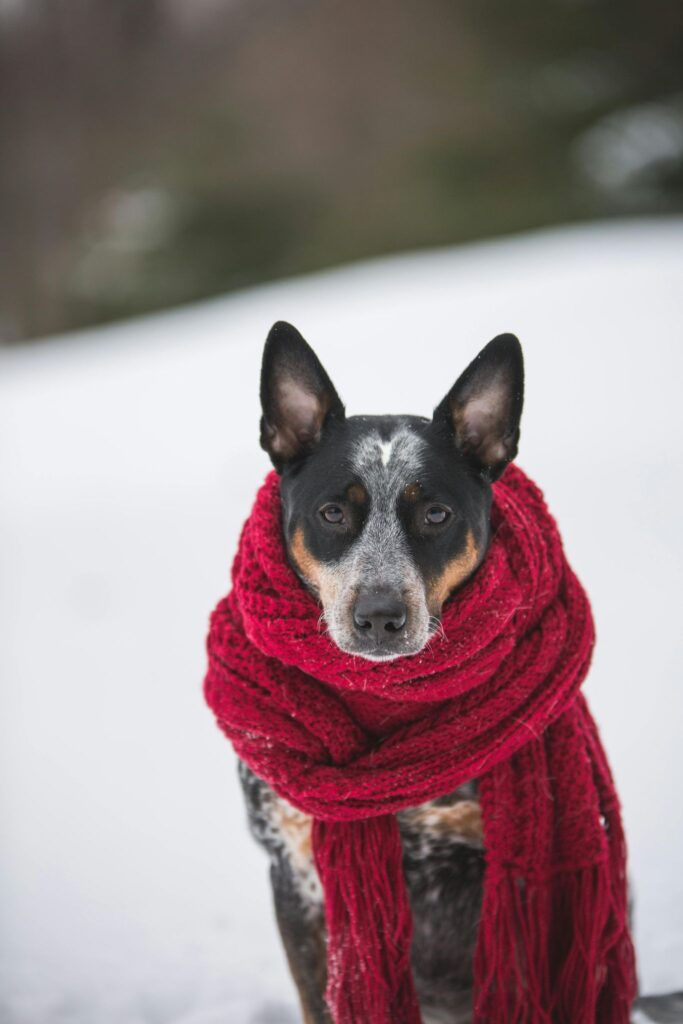
Do winter dogs need coats or boots?
Most double-coated cold-weather breeds don’t need an extra coat, but paw protection is worth considering for any dog walking on salted pavement. Paw wax or booties prevent cracking and chemical irritation regardless of breed.
How cold is too cold for a Husky or Malamute?
Hardy breeds like Huskies and Malamutes can tolerate temperatures well below -20°C with proper shelter and access to water, but extended exposure below -30°C raises frostbite risk on extremities like ear tips and paw pads.
Can winter dogs live in warmer Canadian cities?
Yes. Cold-weather breeds adapt reasonably well to milder climates, though they may shed more and appreciate air conditioning indoors during warmer months. Regular grooming becomes especially important in these conditions.
Should winter dogs stay outside overnight?
No dog should be left outside overnight in freezing temperatures without proper insulated shelter. Even the most cold-hardy breeds need access to a warm, dry space when temperatures drop significantly.
FAQs About DogPlay
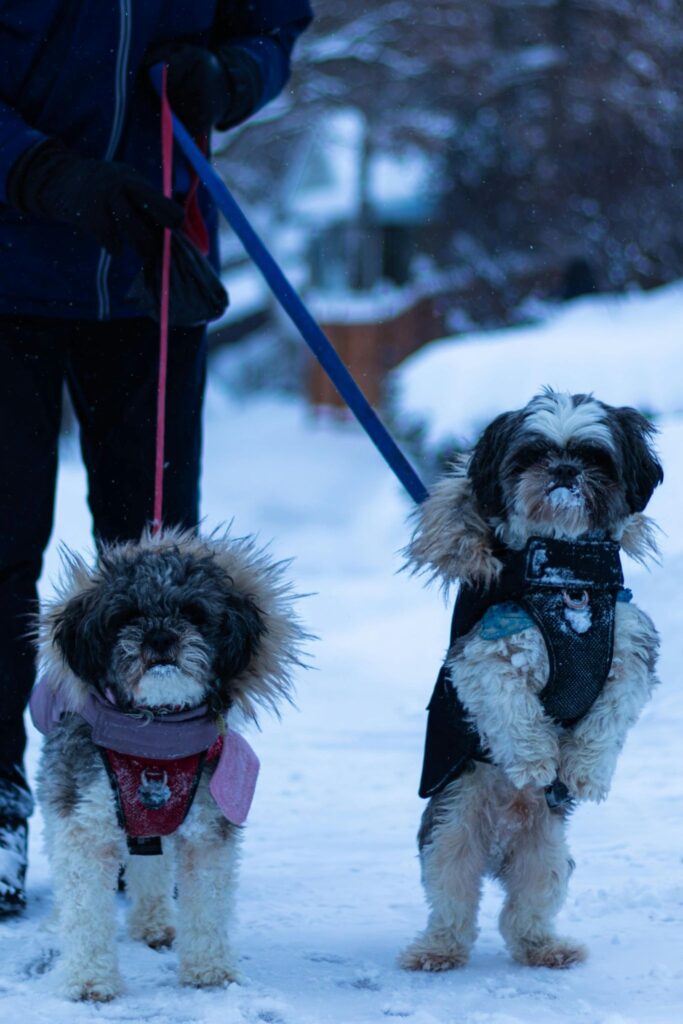
What services does DogPlay offer?
DogPlay offers dog daycare, overnight boarding, and professional grooming, all under one fully indoor, climate-controlled roof. We’re open 365 days a year, including holidays.
Are dogs ever left alone at DogPlay?
Never. DogPlay operates with a structured supervision model where dogs are always in the care of staff. Our team is FetchFind certified and trained in Canine First Aid.
How do I book a visit or tour at DogPlay?
You can book directly through the DogPlay grooming services page or explore all available services on the DogPlay website. We welcome new clients and their dogs for a meet and greet before their first stay.