
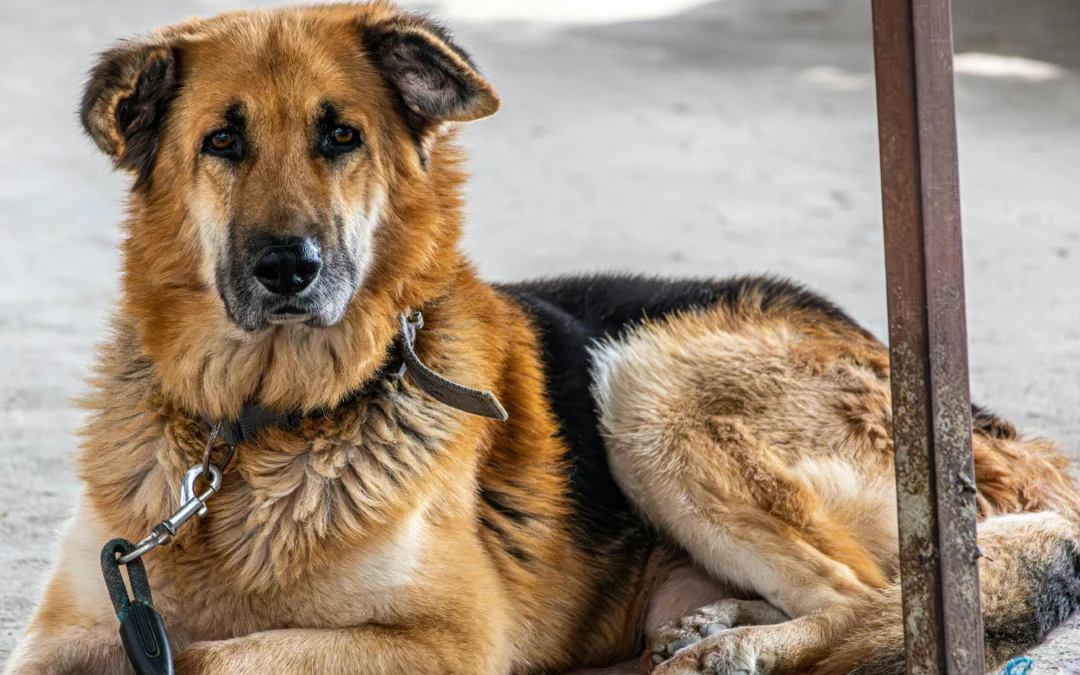
Are german shepherds good family dogs? Yes, genuinely, but the more useful answer is that they are one of the most rewarding breeds a family can choose and one of the most mismatched when the fit is wrong. The answer depends almost entirely on your household, your lifestyle, and your willingness to understand what this breed actually needs day to day. At DogPlay, we work with German Shepherds every week, and what we observe tells a more complete story than any breed profile. If you are already exploring the best doggy daycare as part of your plan, you are already thinking about this the right way.
Key Takeaways
- Are German Shepherds Good Family Dogs? German Shepherds are loyal, intelligent, and protective, but they require consistent training and early socialisation to genuinely thrive in a family home
- Shepherd traits like deep bonding, high intelligence, and natural watchfulness make them exceptional family dogs when their needs are met
- German shepherd health problems including hip dysplasia are manageable with responsible breeding and regular veterinary care
- Urban families in Vancouver can make GSD ownership work beautifully with the right daily routine and commitment
- Early socialisation is the single most important investment a new GSD owner can make in the first months
Are German Shepherds Good Family Dogs? The Honest Answer
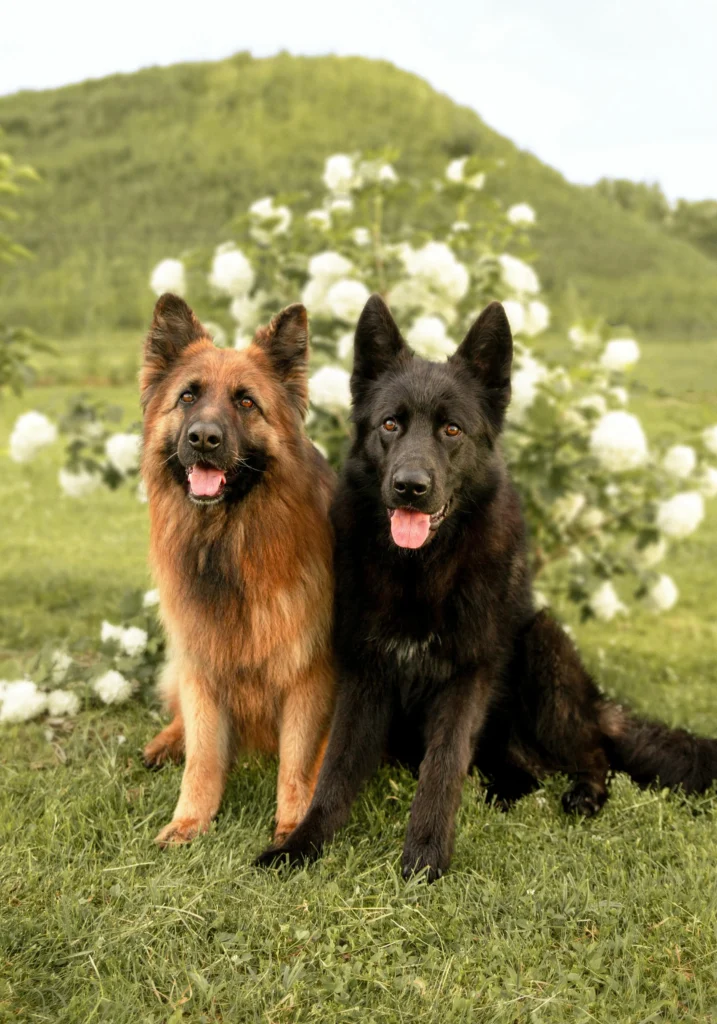
The short answer to the question “Are German Shepherds Good Family Dogs?” is yes. The more useful answer is that a great outcome for your family is entirely possible, but only when you go in with a clear picture of what this breed actually requires.
What Makes Them Stand Out
German Shepherds bring a combination of qualities that are genuinely hard to find in a single breed:
- Fierce loyalty to the people they live with
- Deep bonds that form quickly and last a lifetime
- High intelligence that makes them responsive, trainable, and engaged
- Natural watchfulness over the household without being prompted
When those qualities are channelled through consistent training, regular exercise, and early socialisation, the result is a family dog that is genuinely hard to match. What they are not is low maintenance, and that distinction matters enormously before you commit.
What You Actually See in a Group Setting
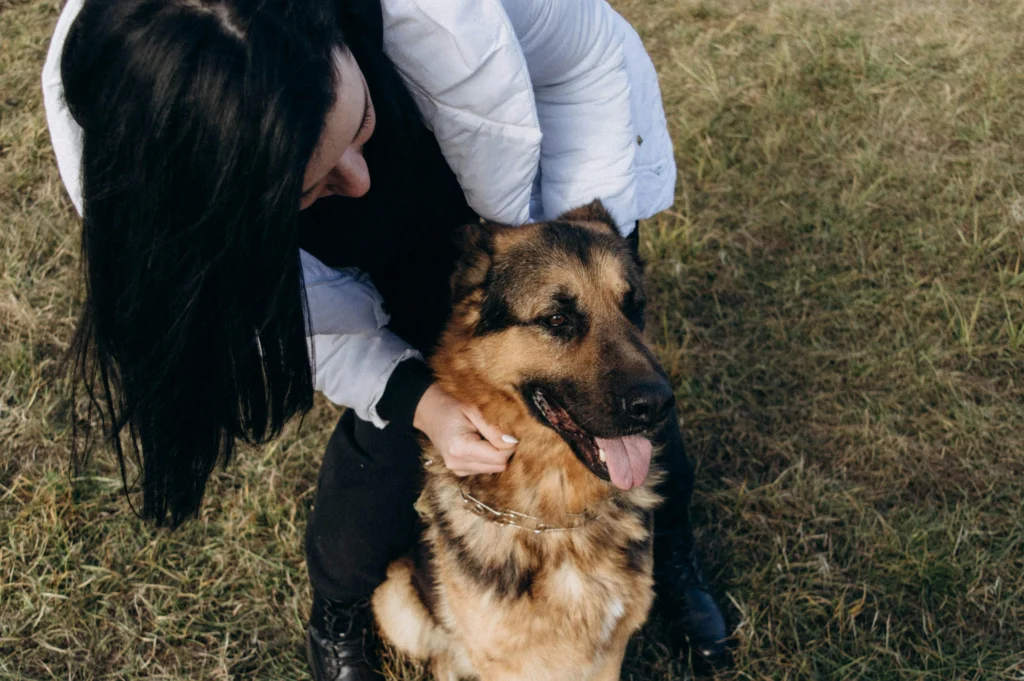
At DogPlay, German Shepherds come through the door in one of two ways.
The Confident Arrival
The first type walks in carefully, scanning the room, assessing the other dogs, taking its time before engaging. That is healthy German Shepherd puppy characteristics behaviour carried into adulthood, and it is the sign of a thoughtful, confident dog.
The Overwhelmed Arrival
The second type arrives overwhelmed, either shutting down completely or becoming reactive to everything around it. The owners of that second dog are almost always surprised, because their dog seemed perfectly fine at home.
Home is a GSD’s controlled territory. A group environment with unfamiliar dogs and unfamiliar smells is a completely different ask, and it reveals very quickly what kind of foundation the dog has been given.
Why German Shepherds Bond So Deeply With Families
Why German Shepherds are good family dogs comes down to how they were built. They were bred to work closely alongside one handler through demanding and often unpredictable situations.
A Working Breed at Heart
That working relationship translated, over generations, into a breed that forms exceptionally deep bonds with the people it lives with. At DogPlay, we see this in how GSD clients consistently check in with their owners before engaging with anything new.
That attentiveness is not clinginess. It is the expression of a dog that considers its family its entire world, and acts accordingly.
German Shepherd Breed History and the Shepherd Traits That Define Them

Understanding german shepherd breed history helps explain why these dogs behave the way they do in a family setting. The breed was developed in Germany in 1899 by Captain Max von Stephanitz, who believed above all else that dogs should be bred for working ability. The result was a herding and guarding dog of exceptional intelligence, physical endurance, and loyalty. Those qualities remain the defining shepherd traits of the breed today, and they shape everything about what GSD ownership actually looks like at home.
How Breed History Shapes Day-to-Day Family Life
That working heritage has direct implications for family ownership. A GSD does not switch off. It is always observing, always processing, always looking for something to engage with. In roles that give it purpose, police work, search and rescue, therapy, competitive sport, that quality makes the breed extraordinary. In a family home, it means the dog needs a structured daily life rather than passive companionship. A German Shepherd that is bored and under-stimulated will find its own outlets, and those outlets rarely improve the furniture situation.
Shepherd Traits Across Different Types
Families sometimes ask specifically are black german shepherds good family dogs, and the honest answer is that coat colour has no meaningful impact on temperament. Black GSDs carry the same traits as any other colouring. On the question of are male german shepherds good family dogs, males tend to be slightly larger and can be more assertive, which makes consistent training from an early age particularly important. Females are often described as slightly more intuitive and quicker to read family dynamics, though individual temperament varies far more than gender alone accounts for.
Are german shepherd mixes good family dogs? Many are, particularly mixes that pair GSD intelligence and loyalty with the calmer energy of breeds like the Labrador or Golden Retriever. The key with any mix is to understand both contributing breeds honestly and socialise the dog extensively from the very beginning.
German Shepherd Health Problems, Lifespan, and What Families Should Know
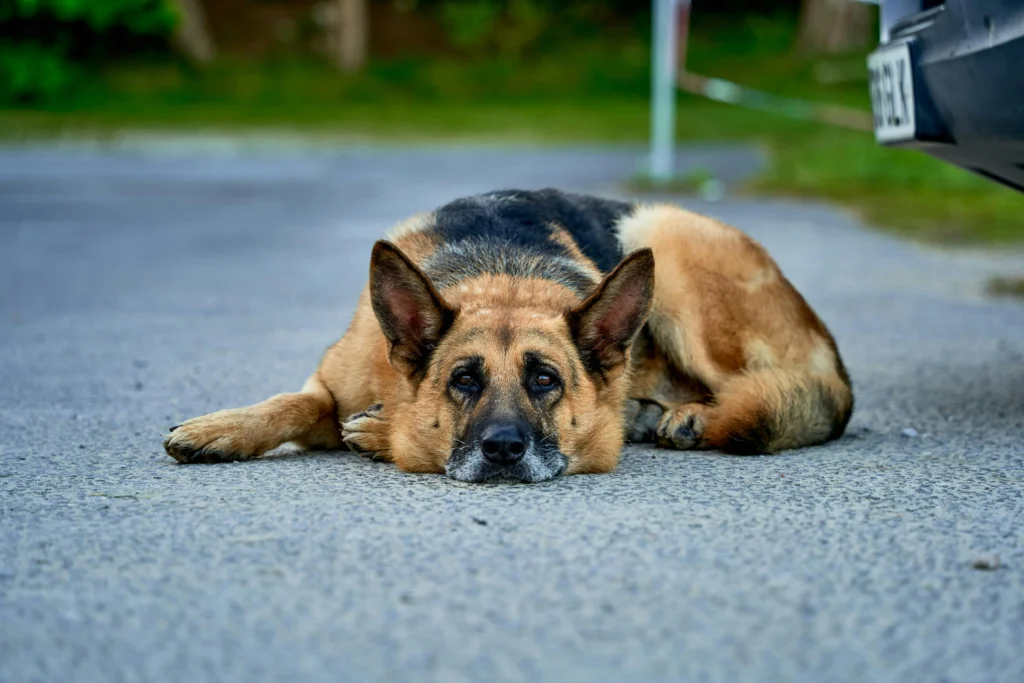
The lifespan of a shepherd typically falls between 9 and 13 years, which makes a GSD a significant long-term commitment for any family.
Common German Shepherd Health Problems
German shepherd health problems are largely concentrated in the musculoskeletal system. Hip dysplasia, elbow dysplasia, and degenerative myelopathy are all well-documented health concerns in the German Shepherd breed, and understanding them before you commit puts your family in a far stronger position from day one.
Regular veterinary check-ups, a high-quality diet appropriate to life stage, and exercise that does not overwork growing joints all contribute meaningfully to a longer, healthier life. Booking regular grooming appointments that include full coat care also supports skin health, which is particularly relevant for the GSD’s dense double coat that sheds consistently year-round.
What Families Should Realistically Budget and Plan For
A German Shepherd is not an inexpensive dog to own well. Beyond food and routine vet care, families should account for training classes, regular grooming, potential orthopaedic costs as the dog ages, and the ongoing investment in enrichment and socialisation.
Overnight boarding at a facility your dog knows well also becomes an important practical consideration for families who travel. A GSD boarded somewhere unfamiliar without preparation can find the experience genuinely stressful, so building that relationship early makes life considerably easier for everyone down the line.
Titan, Marcus, and What Great GSD Ownership Looks Like in Vancouver
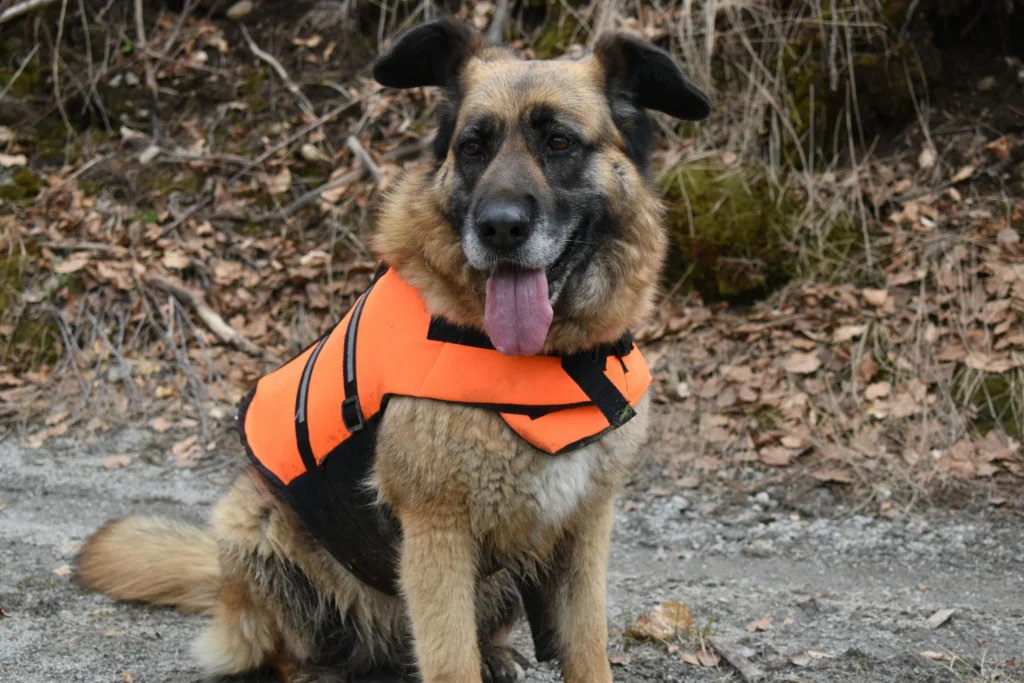
Vancouver is genuinely well-suited to GSD ownership for active families. Pacific Spirit Park, Charleson Park’s off-leash areas, the trails across the North Shore, the infrastructure for a high-activity dog exists here in abundance. Finding a trusted dog daycare in Vancouver to anchor your dog’s weekly routine is one of the most practical steps an urban GSD owner can take. The question is always whether the owner is honest about their actual week before they commit to the breed.
Two solid walks daily, regular daycare for socialisation and physical output, weekend hikes, and mental enrichment at home form the practical foundation of urban GSD life done well. For families still in the decision phase, thinking carefully about whether your lifestyle is genuinely ready for a dog before committing to a breed as demanding as a German Shepherd is time extremely well spent.
A Dog That Will Give You Everything. Make Sure You Can Return It.
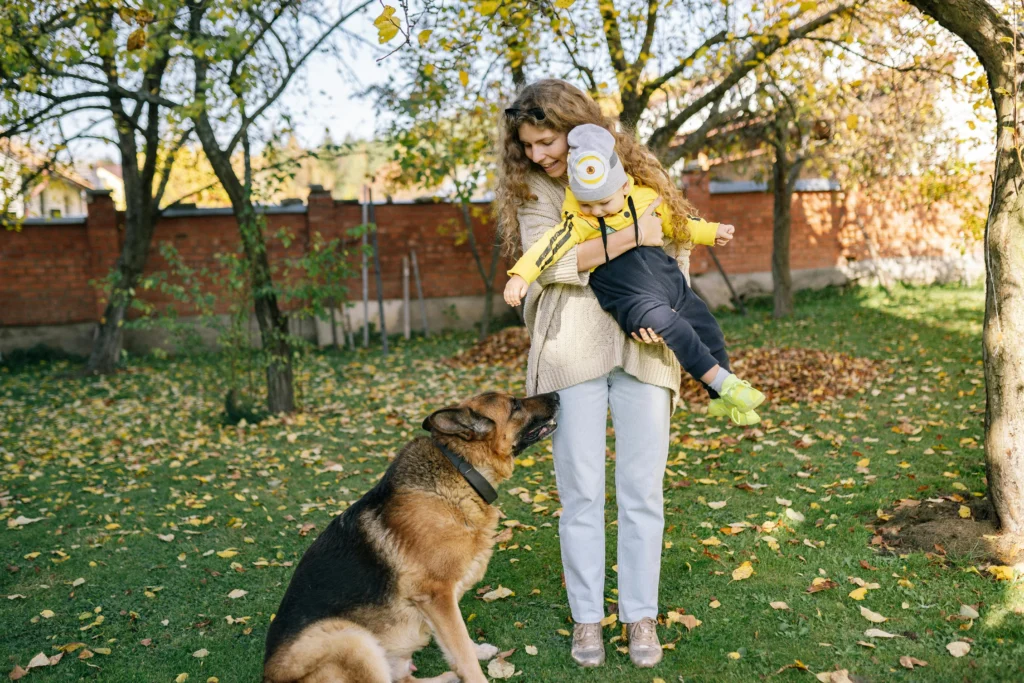
So, are German Shepherds Good Family Dogs? German Shepherds do not give partial commitment. When they are in, they are completely in, and the families that match that energy are rewarded with a level of loyalty, companionship, and steady protection that very few other breeds can offer.If you are in Vancouver and thinking seriously about bringing a GSD into your home, come and talk to our team at DogPlay in Marpole. We work with German Shepherds every week, we have watched dozens of them become extraordinary family dogs, and we know firsthand what the right preparation, the right routine, and consistent early socialisation does for this breed. We would love to be part of your dog’s story from the very beginning.