

The right senior dog food addresses aging joints, slowing metabolism, and shifting taste preferences before problems develop. If your dog is becoming pickier at mealtime, losing muscle tone, or moving a little slower than they used to, their current food may no longer be meeting their needs. At our dog daycare in Marpole, we see the difference good nutrition makes every single day.
Choosing the right food doesn’t require a nutrition degree, but it does require knowing what to look for. This guide breaks down the key nutrients, the warning signs to watch for, and how to make a diet change without upsetting your dog’s stomach.
Key Takeaways
- Senior Status Depends on Breed and Size. A dog is considered “senior” based on their specific breed and individual health rather than a set birthday. Giant breeds may reach this stage by age 5, while smaller dogs often stay in the adult category until age 10 or 11.
- Prioritize Protein, Omega-3s, and Antioxidants. These three nutrients are the core pillars of aging nutrition. High-quality protein maintains muscle mass, omega-3 fatty acids reduce joint inflammation, and antioxidants support a weakened immune system.
- Don’t Rely Solely on “Senior” Labels. There is no legal definition for “senior dog food,” so marketing can be misleading. Always check for an AAFCO statement to ensure the recipe is balanced, and look for specific ingredients like glucosamine.
- Commit to a 7 to 10 Day Transition. Rushing a diet change can cause significant digestive upset in older dogs. A slow transition over at least a week allows their metabolism and gut health to adjust to the new formula.
- Watch for Subtle Physical and Energy Shifts. Keep a close eye on your dog for signs like a dull coat, visible muscle loss, or a drop in energy. These physical changes often point to nutritional gaps that a change in diet can help resolve.
When Is a Dog Actually a Senior?

The answer depends more on your dog’s size than any number on a calendar. Understanding where your dog sits developmentally is the first step toward making a genuinely informed nutrition decision.
Size Changes Everything
There is no universal answer, and that surprises a lot of owners. Giant breeds like Great Danes can enter senior territory as early as age 5, while a Chihuahua might not get there until 10 or 11. Medium and large breeds typically hit the senior stage around 7. What matters more than the number is how your individual dog is actually aging.
What We Notice at DogPlay
We tend to see the shift gradually. Bigger dogs start taking longer rest breaks between play sessions and become more selective about their playmates. Smaller dogs often stay surprisingly energetic well into their senior years. Sometimes the signs are subtle: a coat that has lost a bit of its shine, or a dog who used to sprint to the door and now trots.
Senior Dog Food: What the Label Should Actually Tell You

Packaging can be genuinely misleading, and the marketing language used on dog food brands rarely tells the full story.
One of the most overlooked facts about dog food is that no legal definition governs what qualifies as a “senior” formula. Some brands focus on joint support, others on kidney health, and others on weight management. The label alone tells you very little about whether the food actually suits your dog’s needs.
AAFCO Compliance Is the Starting Point

Look for an AAFCO statement confirming the dog food is complete and balanced for your dog’s life stage. This confirms the recipe has been evaluated against nutritional standards developed by veterinary professionals. If that statement is not on the bag, keep looking.
Why Nutritional Needs Change With Age Through Senior Dog Food

As dogs age, metabolism slows and activity levels drop. Muscle mass naturally decreases, digestion becomes less efficient, and the immune system loses some of its resilience. Senses of smell and taste also weaken, which directly affects appetite and food preferences. Pet food for senior dogs is formulated to address these changes, with nutrient profiles that support aging bodies without loading in excess calories.
Protein, Omega-3s, and the Nutrients That Matter Most
A good senior formula earns its worth by getting the core nutrients right. These are the ones doing the heaviest lifting as a dog ages.
Why Protein Stays Non-Negotiable
Senior dogs lose muscle mass as they age, and inadequate protein accelerates that process. High-quality, digestible protein from chicken, turkey, salmon, or lamb helps preserve muscle and support overall strength. For dogs with kidney or liver disease, lower-protein diets may be necessary, so always discuss any changes with your vet first.
Omega-3 Fatty Acids for Brain and Joint Health
EPA and DHA reduce inflammation and support cognitive function in ageing dogs. Natural sources include fatty fish, salmon oil, and flaxseed. At DogPlay, we have seen this firsthand. Boomer, a 9-year-old Golden who arrived looking stiff and sluggish, noticeably improved in both energy and coat condition after his owner switched to a higher omega-3 formula on their vet’s recommendation. His owner told us they wished they had made the change sooner.
Antioxidants, Fibre, and What Often Gets Overlooked
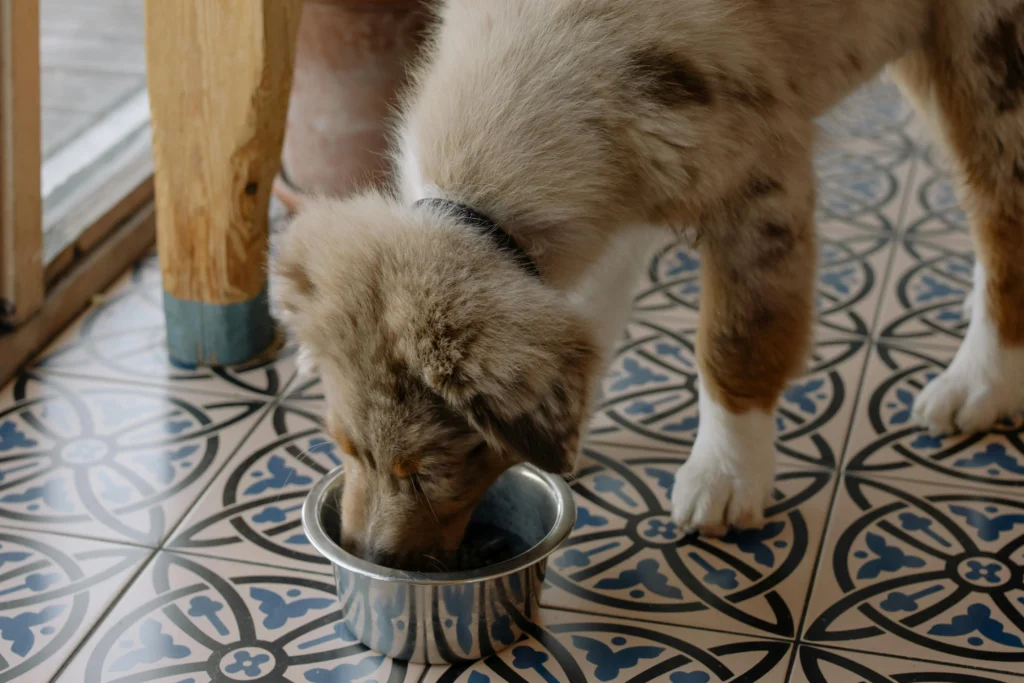
Protein and omega-3s get most of the attention, but antioxidants and fibre contribute significantly to daily quality of life for ageing dogs.
Antioxidants Protect an Ageing Immune System
As dogs age, their immune systems weaken. Antioxidants from blueberries, vitamin C, vitamin E, and leafy greens help support immune defence and cognitive health, and they are worth looking for on any ingredient list.
Fibre Keeps Digestion Running Smoothly
Senior dogs are prone to digestive slowdown. Fibre from pumpkin, sweet potatoes, oatmeal, and brown rice helps regulate digestion and maintain a healthy gut. A lot of senior dog food formulated for seniors also include prebiotics and probiotics for added digestive support.
Joint Health and Weight Management
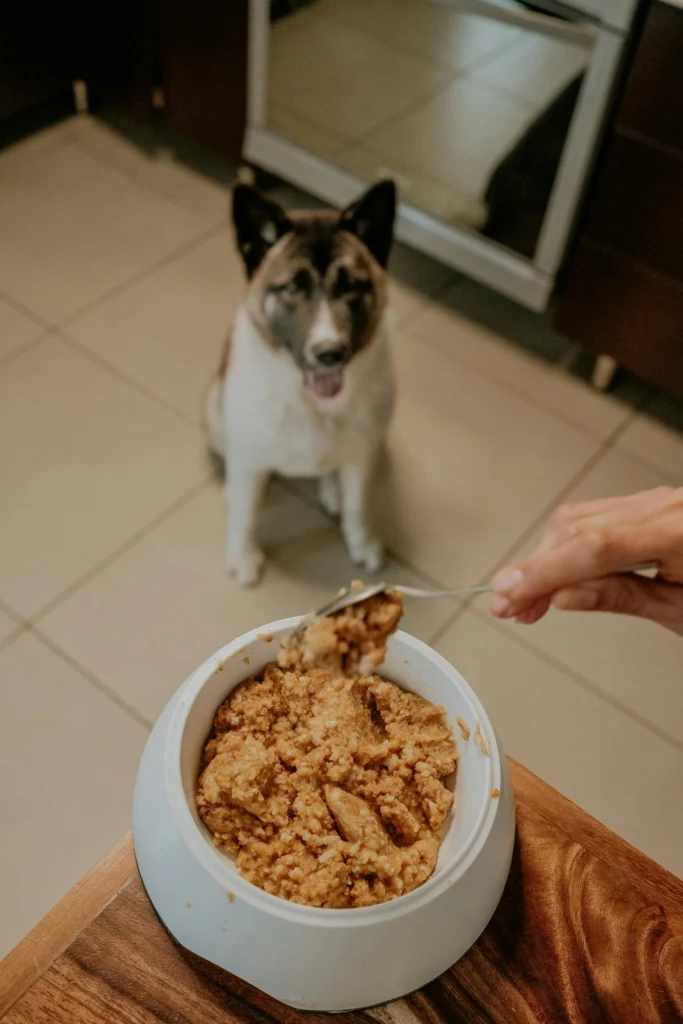
Two of the most common challenges for senior dogs are joint deterioration and weight gain, and both are directly influenced by what goes in the bowl.
Glucosamine and Chondroitin
Arthritis is one of the most common conditions in aging dogs. Dog food for senior dogs that includes glucosamine and chondroitin can help manage inflammation and support joint mobility. These are clinically recognized compounds that veterinary professionals regularly recommend, not just marketing additions on a label.
Why Weight Control Matters More With Age
Because older dogs are less active, weight gain becomes a real health risk. Obesity puts added strain on already vulnerable joints and raises the risk of diabetes and heart disease. Senior dog food formulas are generally calorie-controlled without sacrificing the nutrient density aging dogs still need.
Dry, Wet, or Fresh Senior Dog Food: What Format Works Best

Format matters less than most owners expect, but it does influence whether a senior dog will consistently eat what you put in front of them.
There Is No Clear Winner
The science does not favour fresh senior dog food over dry kibble for senior dogs. Both can be nutritionally complete when well-formulated. Ingredient quality and AAFCO compliance matter far more than format alone.
Palatability Becomes More Important With Age
As smell and taste fade, dry kibble can lose its appeal. Wet dog food and fresh dog food are more aromatic and often more enticing to senior dogs. Meal toppers can bridge the gap for dogs becoming pickier, without requiring a full diet overhaul.
How to Transition Your Dog to New Senior Dog Food

Rushing a senior dog food switch often results in digestive upset that gets blamed on the new formula rather than the pace of the transition. Veterinary professionals recommend a minimum of 7 to 10 days, replacing about 25% of the old food at a time while monitoring for loose stools or changes in appetite.
Whether you are choosing a dog food for dogs with joint issues or simply a well-rounded senior formula, patience through the transition gives it a fair chance to work. At DogPlay, we follow owner-provided feeding instructions precisely during overnight boarding stays. Any transition should be completed before a dog comes in overnight, so we can maintain their routine without disruption.
Signs Your Senior Dog May Not Be Getting the Right Nutrition

Nutritional gaps often develop gradually, which is exactly why they are easy to miss at home.
What to Watch at Home
A dull, flaky, or rough coat often points to an omega-3 deficiency. Noticeable muscle loss over a few months can suggest the diet is not providing enough quality protein. A dog who seems persistently hungry and restless may not be getting nutritional satisfaction from their current dog food brands.
What We Watch at Daycare
Chronic digestive upset, low energy, and reduced social engagement can all trace back to what’s in the bowl. We’ve flagged these patterns to owners before. One senior dog was losing visible muscle mass over several months of visits. We raised it gently with the owner, they brought it to their vet, and it turned out the dog had been undereating because a new low-calorie formula wasn’t satisfying them. A vet-adjusted plan made a real difference.
How Nutrition Shows Up on the Daycare Floor
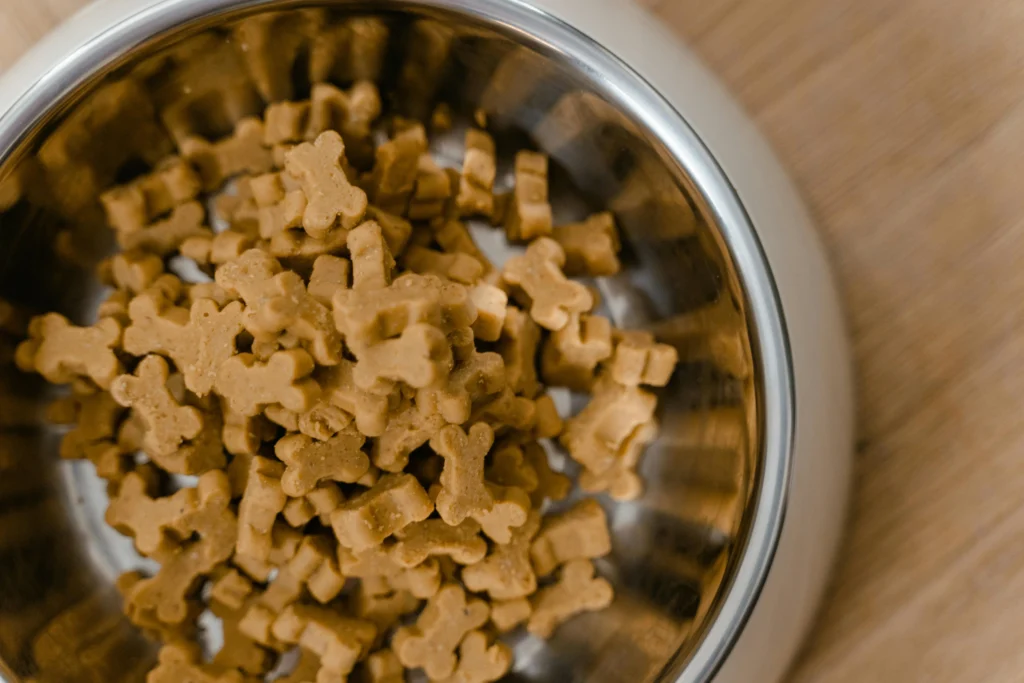
Spending hours each day with these dogs means we often notice nutritional shifts before owners do at home. Dogs eating well are more engaged, more resilient after play, and more socially confident. A dog uncomfortable from joint pain or digestive issues shows up differently in a group: more reactive, more withdrawn. For dogs who come in for professional grooming alongside their regular visits, coat condition is often the first visible clue that something nutritional may need attention, and we always share those observations with their families.
Navigating Senior Dog Food Brands in Canada

With so many options on shelves and online, finding quality pet food for senior dogs in Canada can feel overwhelming. A few guiding principles make the process more manageable.
What to Look for in Canadian Options
When searching for the best dog food in Canada, the same principles apply regardless of where you shop: AAFCO compliance, high-quality animal protein as the first ingredient, and a nutrient profile suited to your dog’s specific health needs. The best Canadian dog food options are widely available at independent pet retailers and larger chains throughout Vancouver.
Vet Guidance Over Marketing
Top dog foods in Canada rankings often reflect advertising budgets as much as actual quality. Authority food for dogs claims on packaging are largely unregulated, and recommended senior dog food Canada lists should be treated as a starting point rather than a final answer. The best senior dog food in Canada searches are a useful first step, but your vet remains the most reliable filter. Understanding how to choose the best diet for your pet in Canada can help you evaluate label claims with far more confidence.
Your Senior Dog Has Earned More Than Guesswork
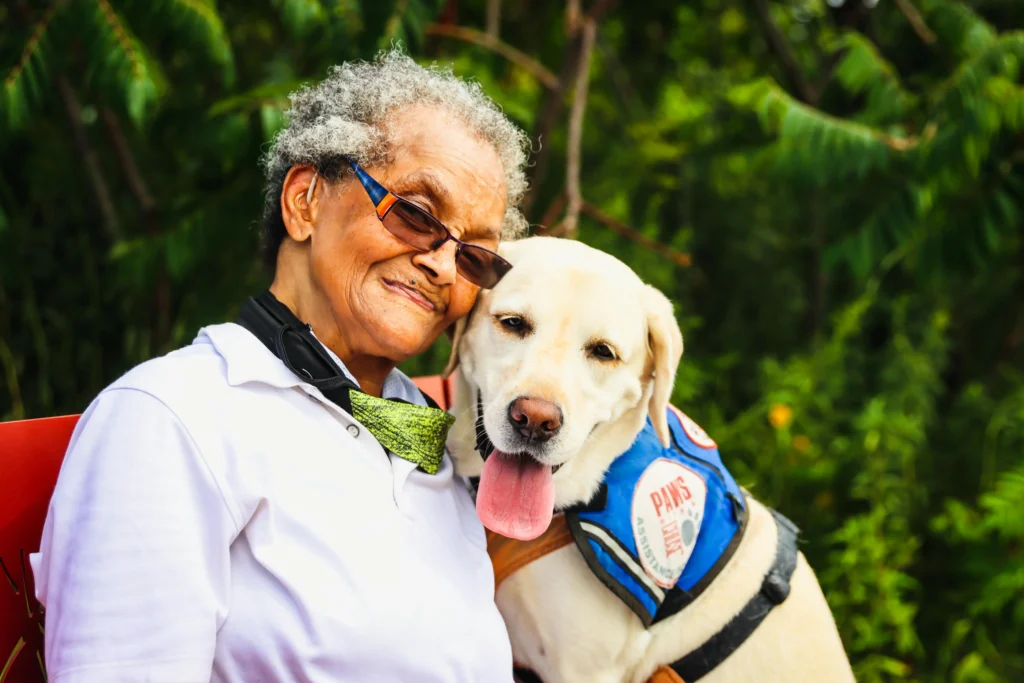
Senior dogs give everything they have for the majority of their lives, offering years of loyalty and companionship. Ensuring their nutrition is precisely tuned to their aging bodies during these golden years is one of the most meaningful ways you can give back to them. Proper fuel does more than just fill a bowl; it preserves the mobility they need for walks in the park and the cognitive clarity they need to stay engaged with their families.
If you are not sure where to start with a new diet, your veterinarian is always the best first call to rule out underlying medical issues. However, if your senior dog spends time with us at DogPlay, know that we are acting as an extra set of expert eyes. We pay close attention to subtle shifts in coat condition, fluctuating energy levels, and how they socially engage with the rest of the pack. Often, a change in how a dog moves on our daycare floor is the first sign that their current nutrition needs an adjustment.
We are a dog daycare in Vancouver that cares about the whole dog. Whether your senior is joining us for daycare, boarding, or a grooming visit, our team is always happy to hear about your dog before their first visit. We are always happy to discuss your dog’s specific needs, dietary restrictions, or mobility concerns to ensure they feel right at home.
Book today and let us help keep your senior comfortable, healthy, and well looked after in every stage of their golden years.
FAQ About DogPlay
Do you provide food for senior dogs during boarding?
No. We ask all owners to bring their dog’s own food, and we follow feeding schedules, portion sizes, and supplement instructions exactly as provided. For senior dogs on prescription or specialty diets, consistency is especially important and we take that seriously.
Can my senior dog still attend daycare?
Absolutely. Senior dogs are very welcome at DogPlay daycare and we make sure they have appropriate rest opportunities and a pace that suits where they are in life.
What should I share about my senior dog’s diet when I book?
Feeding times, portion sizes, any supplements or medications, and any prescription diet notes. You can share all of this through our contact page or at drop-off. The more detail, the better prepared we are.
Have you seen nutrition affect a dog’s behavior at daycare?
Yes, regularly. Dogs who are well-nourished and comfortable tend to be calmer, more social, and more resilient during group play. When a senior dog’s behavior shifts noticeably, nutrition is often one of the first things we consider.
FAQ About Senior Dog Food
When should I switch my dog to senior food?
There’s no single age trigger. Watch for signs like reduced activity, weight changes, stiffness, muscle loss, or a shift in appetite, then talk to your vet about whether a dietary change makes sense for your individual dog.
Is wet food better than dry food for senior dogs?
Not inherently. Wet and fresh food can be more palatable for dogs with weakening senses of smell and taste and add hydration, but a well-formulated dry kibble can be equally nutritious. Quality of ingredients matters more than format.
How do I know if a senior dog food is high quality?
Look for an AAFCO compliance statement, high-quality animal protein as the first ingredient, and added omega-3 fatty acids, antioxidants, and joint-supporting compounds like glucosamine and chondroitin.
Can senior dogs eat the same food as adult dogs?
It depends on the individual dog. Some adult formulas meet senior needs adequately. Others don’t address the specific concerns of aging. Your vet is the right person to assess whether a switch is warranted.
How long does a food transition take?
Seven to ten days minimum, increasing the new food by about 25% at a time while monitoring digestion throughout the process.