Watching a puppy grow is like watching a time-lapse video in real life. One week, they fit in the palm of your hand, and the next, they are taking up half the sofa. At DogPlay, we see this transformation every day, and the most frequent question we get from new pet parents is: When do dogs stop growing?
Understanding this timeline is about more than just knowing when to buy a bigger bed; it’s about tailoring their nutrition, exercise, and responsible pet ownership and thoughtful care to ensure they have a healthy foundation for life.
Key Takeaways
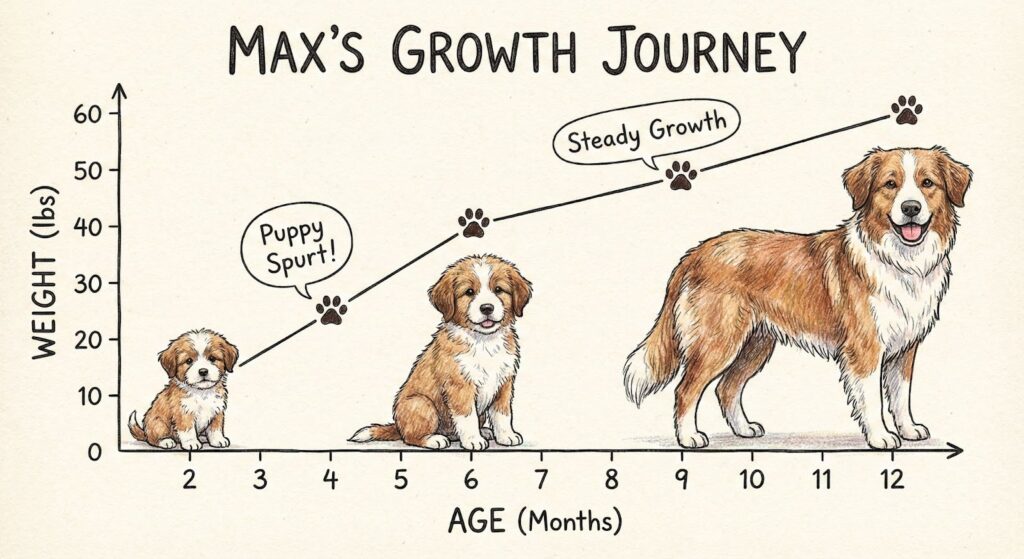
- Size Matters: Smaller breeds finish growing much earlier (6–12 months) than giant breeds (18–24 months).
- Growth Plates are Key: Height growth stops when the growth plates at the ends of the bones calcify and “close.”
- Avoid Over-Exercise: High-impact activities should be avoided until skeletal maturity is reached to prevent joint issues.
- Balanced Nutrition: Large breed puppies need specific formulas to prevent them from growing too quickly.
When Do Dogs Stop Growing and Why Does It Vary?
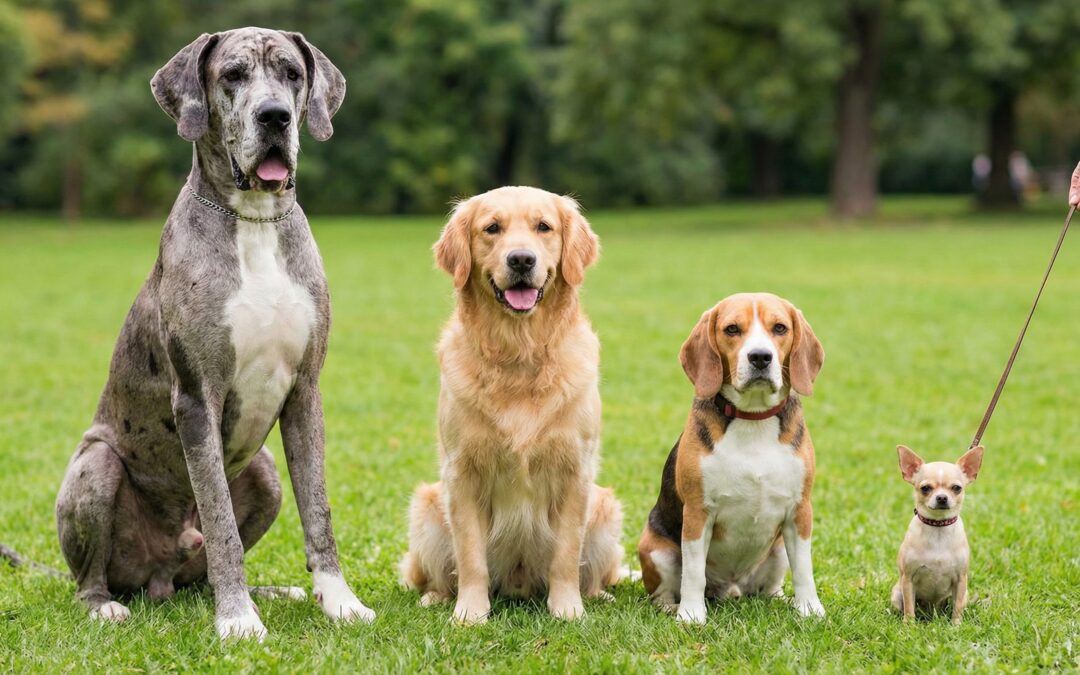
Every dog follows their own internal clock, but the biggest predictor of when a dog stops growing is its breed and expected adult size. Biology prioritizes different things for different dogs. A Chihuahua needs to develop a small, light frame quickly, whereas a Saint Bernard has to build massive bone density and muscle mass to support a hundred-pound-plus body.
The Role of Genetics and Sex
While breed is the primary driver, genetics within a litter can also play a role. Males often grow slightly larger and may take a few weeks longer than females to reach their full height. When you are looking at a growth of puppies chart, remember that these are averages. Some dogs are simply “late bloomers,” while others hit their peak height early and spend the rest of their second year just filling out.
The Science of Growth Plates: How Puppies Become Adults
To understand when a dog will stop growing, we have to look at the anatomy of their bones. Puppies have areas of soft, developing tissue near the ends of their long bones called growth plates. These plates are flexible and produce new bone tissue as the puppy ages.
Understanding Calcification and Bone Maturity
As the puppy matures, this soft tissue eventually calcifies and turns into hard bone. Once this process is complete, the growth plates are said to be “closed.” At this point, the dog has reached its final adult height. Even after the bones stop lengthening, your dog isn’t necessarily “finished.” They will continue to develop muscle mass and fat, much like a human does after their teenage years.
Small But Mighty: When Do Small Breeds Finish Growing?
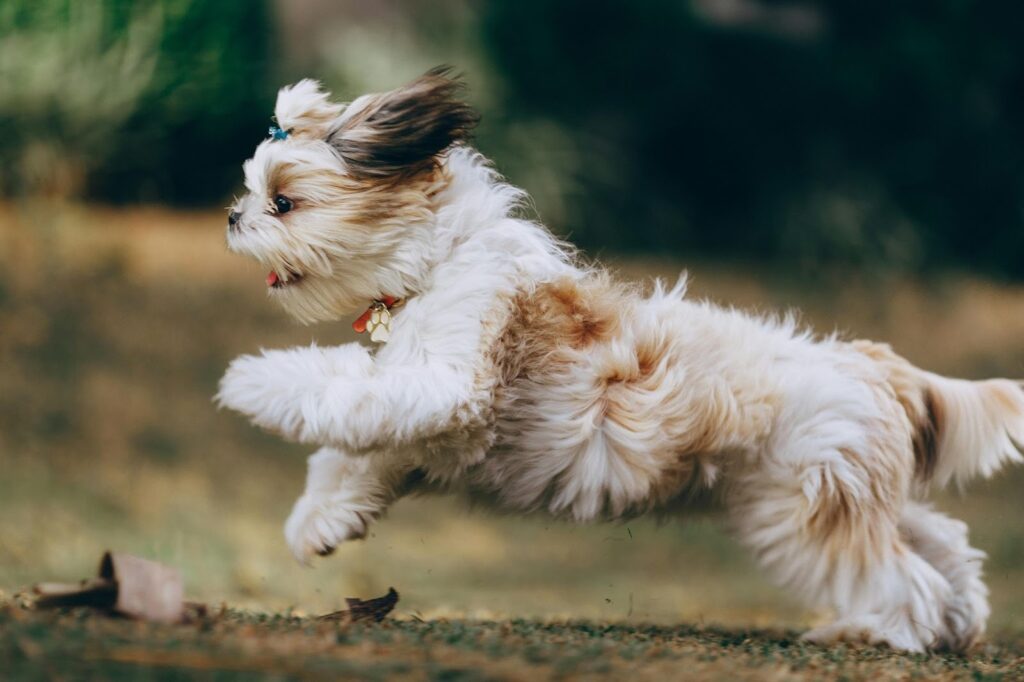
If you have a toy or small breed, you might notice they seem “done” much sooner than your neighbour’s Lab. Small breeds are the sprinters of the dog world when it comes to development. Most small breeds typically stop growing by the time they are 6 to 10 months old.
By the time a Pomeranian or a Yorkie hits their first birthday, they have usually been at their adult height for several months. Because their bones finish developing so early, you can often switch them to adult food and increase their exercise intensity sooner than you could with a larger dog.
The Long Haul: When Do Large Breeds Stop Growing?
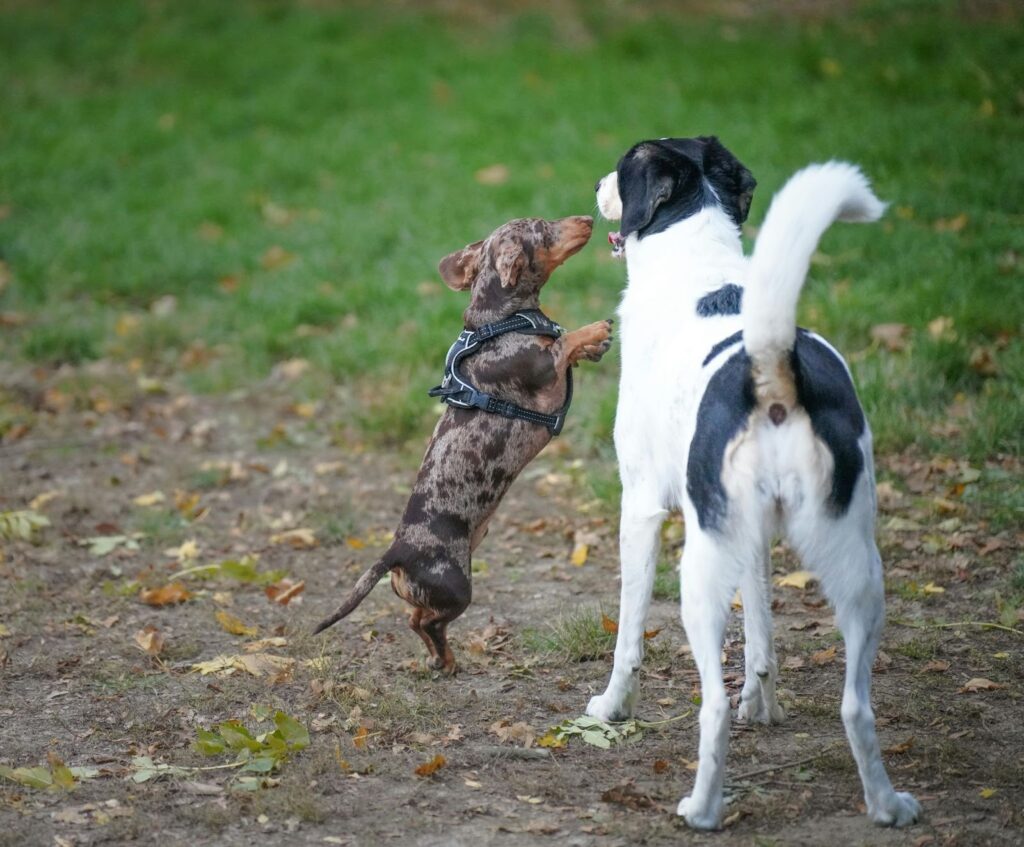
On the other end of the spectrum, large and giant breeds are the marathon runners. When owners ask, “What age do dogs stop growing?” for breeds like Mastiffs or Great Danes, the answer can be as long as two years. These dogs have a massive amount of skeletal structure to build, and rushing that process can lead to structural weaknesses.
The Special Needs of Giant Breeds
Because they grow for so long, giant breeds remain “puppies” in a physical sense for much longer. Their growth plates stay open and vulnerable well into their second year. This is why we are so careful during our overnight dog boarding stays to ensure large pups aren’t over-exerting themselves on slippery floors or jumping from high distances.
Using a Puppy Size Growth Chart to Predict Adult Weight
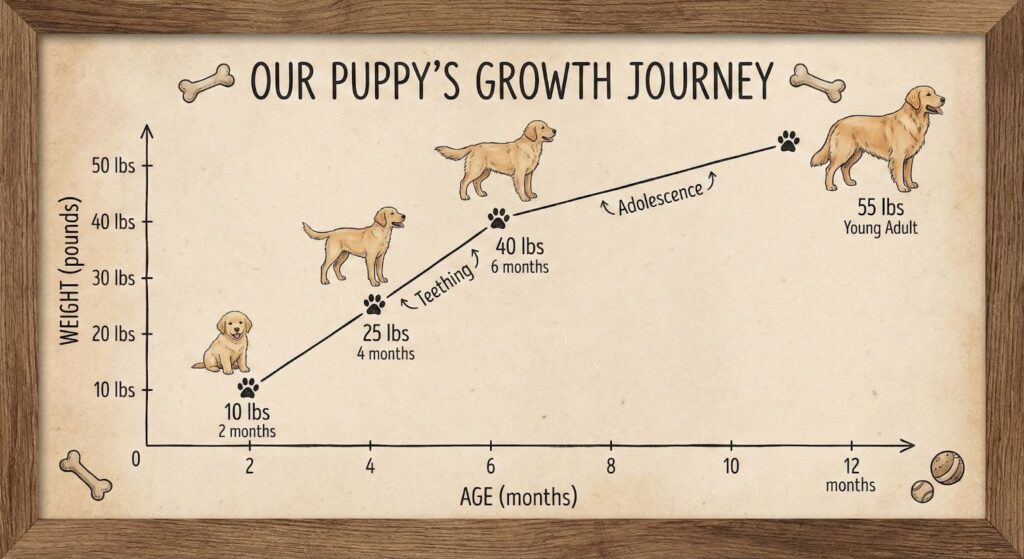
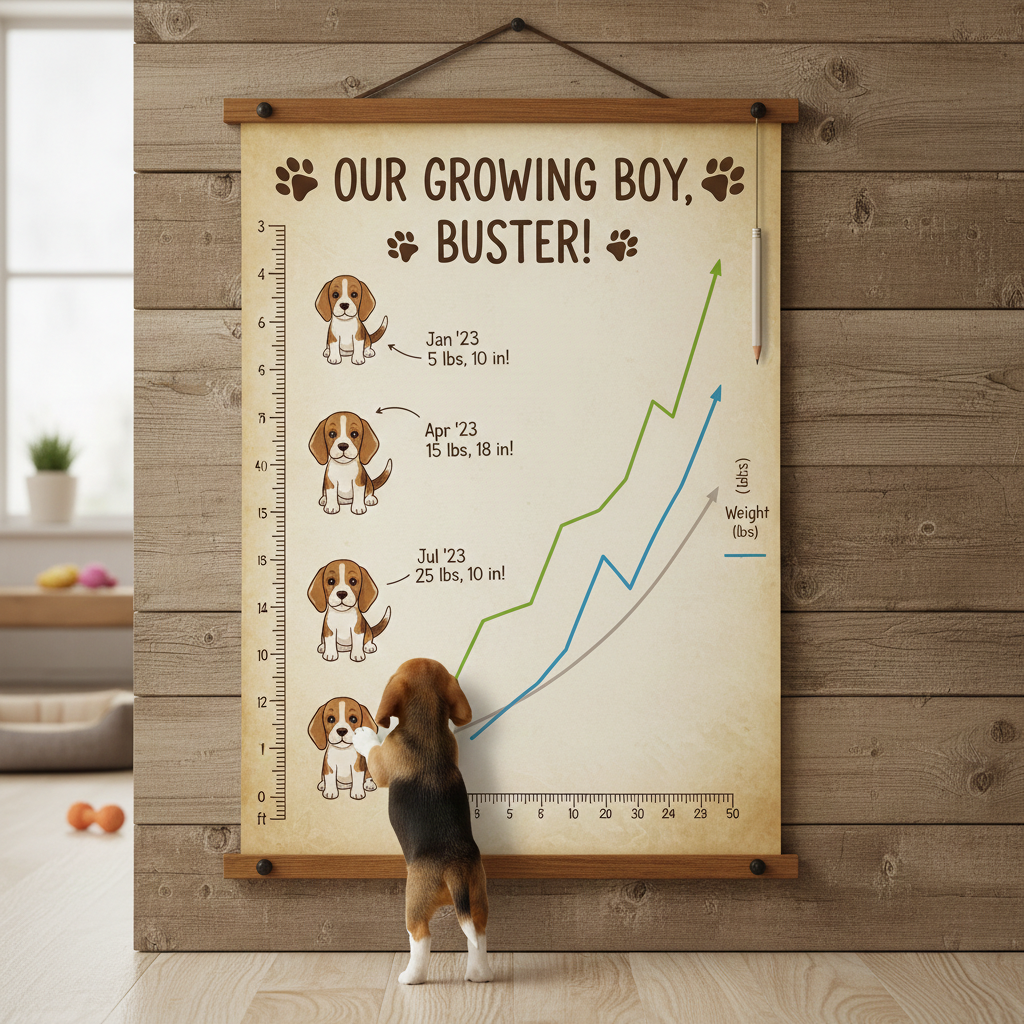
Many owners find themselves staring at their dog’s paws and wondering, “How big will my dog get?” While it’s not an exact science, a puppy size growth chart can provide a helpful estimate. A common rule of thumb is that a puppy is roughly 75% of its adult height at six months old, though this percentage is lower for larger breeds.
The Paw and Rib Indicators
If your puppy’s paws look comical and oversized for their body, they almost certainly have more growing to do. Another trick is to feel their rib cage; if you can still feel prominent “knobs” on the ribs, those are the growth plates of the ribs still hard at work, meaning the dog is still increasing in size.
Nutrition and Its Impact on When a Puppy is Full-Grown
Nutrition is the fuel for growth, but more isn’t always better. When considering when a puppy is full-grown, we have to be careful not to speed up the process with too many calories. Pushing a dog to grow faster than their bones can handle is a recipe for orthopedic disaster.
Preventing Over-Nutrition in Large Pups
Large breed puppy food is specifically designed to have a lower energy density and a controlled calcium-to-phosphorus ratio. This ensures the dog grows at a steady, healthy rate rather than a dangerous “explosion” of size. We always advocate for keeping puppies on the leaner side; a “chubby” puppy might be cute, but that extra weight puts immense pressure on soft, developing joints.
Safe Exercise Limits: When Do Dogs Quit Growing Enough to Jog?
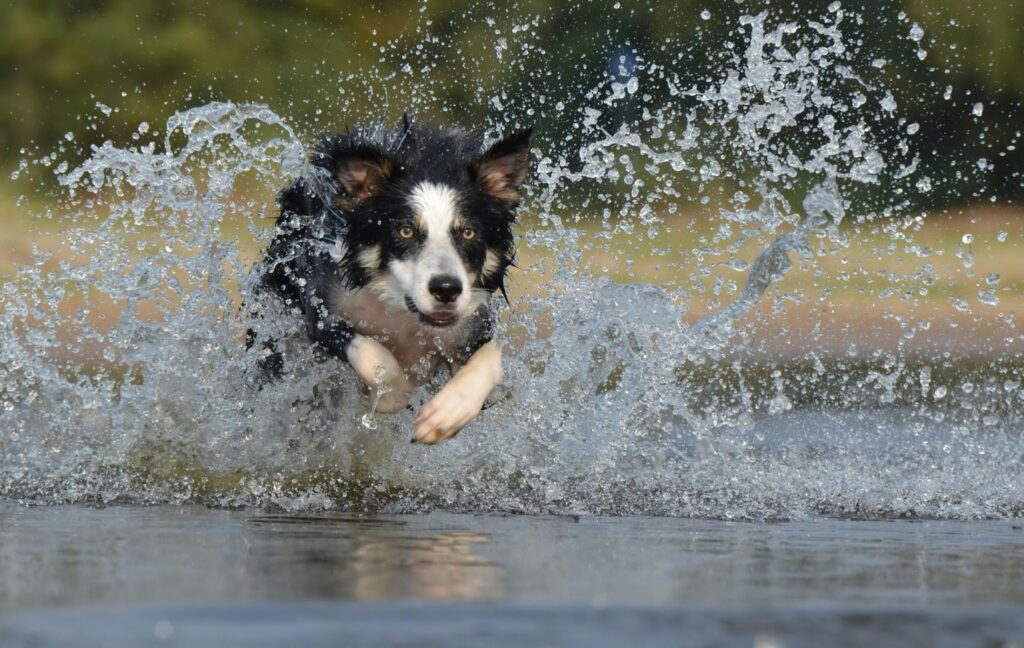
Exercise is vital for muscle development, but there is a limit. Many active owners want to know when dogs quit growing so they can finally take them on long runs or hikes. High-impact exercise on hard surfaces (like jogging on pavement) is extremely detrimental to a dog whose growth plates haven’t fused.
For most dogs, it is best to wait until they are at least 14 to 18 months old before starting a jogging routine. Until then, keep walks moderate and try to play on soft surfaces like grass or sand. At DogPlay, our dog daycare for supervised play and socialization environments uses specialized flooring to help protect those sensitive joints during play.
Beyond the Bones: When Are Dogs Fully Grown Mentally?
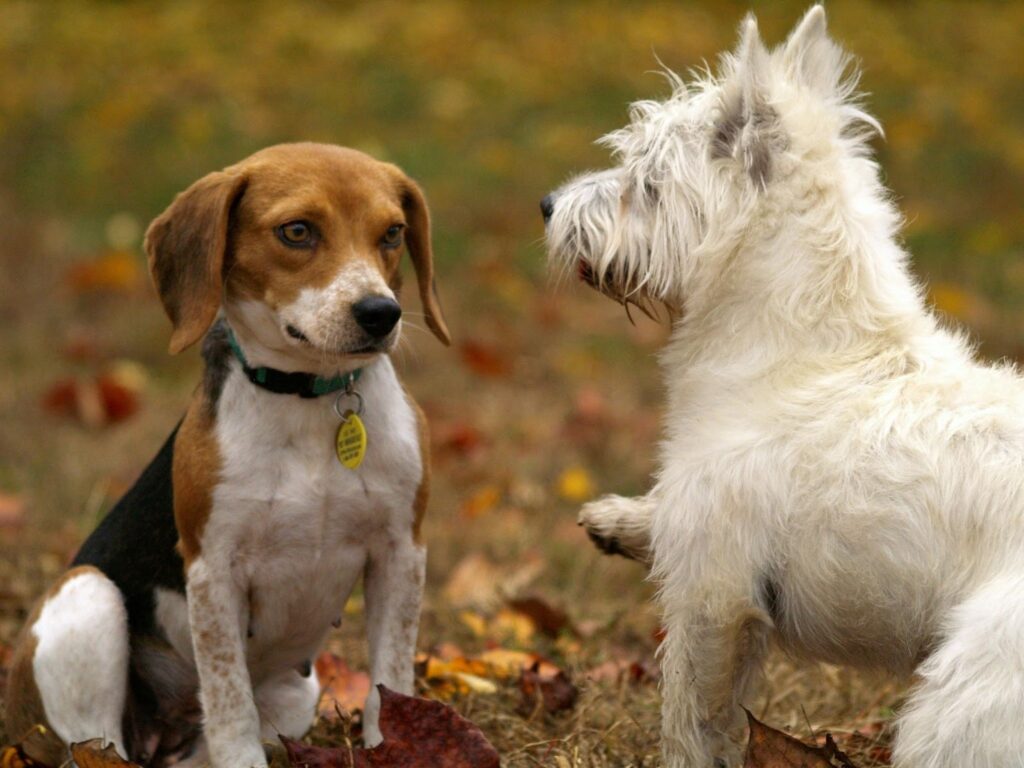
Physical height is only one part of the equation. Many owners ask, ”When are dogs fully grown?” because they are waiting for that “puppy energy” to subside. Social and mental maturity often lags behind physical growth. A dog might look like an adult at 12 months, but their brain is still very much in a “teenage” phase.
This adolescent period can involve testing boundaries and sudden “forgetfulness” regarding training. Consistent socialization and mental stimulation are key during this time. We often suggest identifying and managing dog separation anxiety during this phase, as a bored, growing dog is more likely to develop destructive habits.
How Big Will My Dog Get? Tips for Mixed-Breed Owners
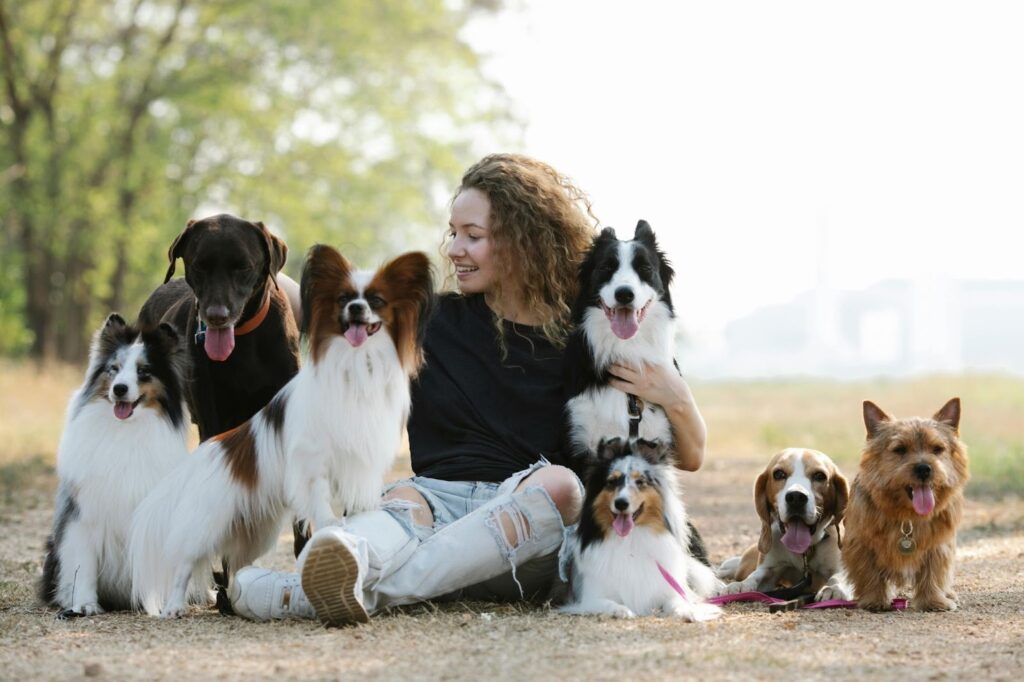
If you have a “Potcake” or a rescue with a mysterious background, figuring out when dogs finish growing is a bit of a guessing game. Without knowing the parents, we have to look at physical clues. A puppy height chart can only do so much when you don’t know the breed mix.
In these cases, veterinarians often look at the dog’s weight at four months. For medium-to-large breeds, doubling the weight they were at four months often gives a surprisingly accurate estimate of their final adult size. It’s also important to check official veterinary growth standards to ensure your mixed breed is hitting its weight milestones healthily.
Moving Toward Adulthood: Transitioning Your Pup’s Care
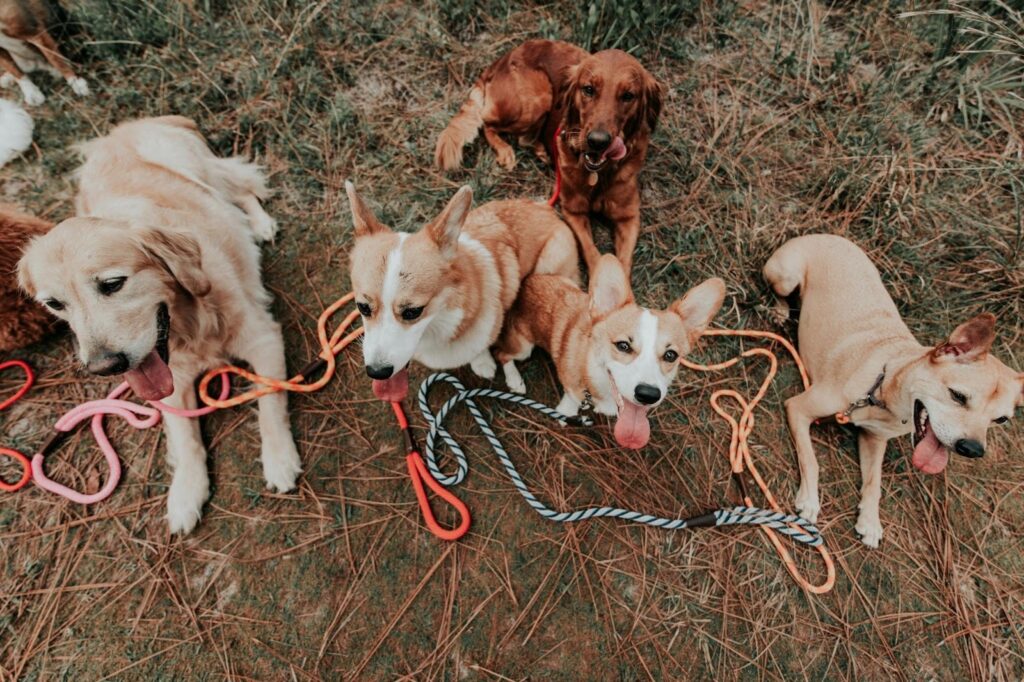
Reaching the finish line of growth is a major milestone. Once your veterinarian confirms that your dog is fully mature, you can begin the transition to adult maintenance food and more vigorous physical activities. This is also a great time to refresh their grooming routine. A professional dog grooming bath and brush-out can help remove the last of that fuzzy puppy coat and get their adult fur looking its best.
Ready to support your pup through every stage?
Whether your dog is a tiny sprout or a growing giant, they deserve an environment that understands their specific developmental needs. From our safe play zones to our attentive overnight care, our professional dog daycare in Vancouver is here to help your dog grow into a happy, healthy adult. Contact us today to book a tour of our Marpole facility or to schedule your pup’s next daycare session!