Dogs and Dry Nose: Quick Recap
- Dryness alone is usually normal. A dog’s nose naturally shifts between moist and dry throughout the day due to sleep, weather, hydration, and environment.
- Behavior matters more than texture. Energy, appetite, hydration, and mood are far more reliable health indicators than nose moisture.
- Watch for additional symptoms. Cracking, discharge, lethargy, appetite loss, vomiting, or behavioral changes warrant closer attention.
- Dehydration signs go beyond the nose. Sticky gums, low energy, and reduced skin elasticity are stronger indicators than dryness alone.
- Consistent observation provides reassurance. Structured daycare environments like DogPlay help monitor overall well-being and identify subtle changes early.
You reach down to pet your dog and pause. Their nose feels dry instead of cool and damp.
It’s a small detail, but it can trigger big concern.
When it comes to dogs and dry nose worries, most fear comes from a common myth that a healthy dog must always have a wet nose. In reality, moisture changes throughout the day. Dryness alone rarely signals illness. Context matters far more than texture.
Understanding what’s normal, what’s temporary, and when to worry about dry dog nose symptoms allows you to respond calmly instead of assuming the worst.
And if long workdays mean you cannot always monitor subtle shifts, having trained caregivers like DogPlay observing your dog’s behavior during daycare, boarding, and grooming, adds reassurance and early communication if anything seems off.
What a Healthy Dog Nose Is Designed to Do
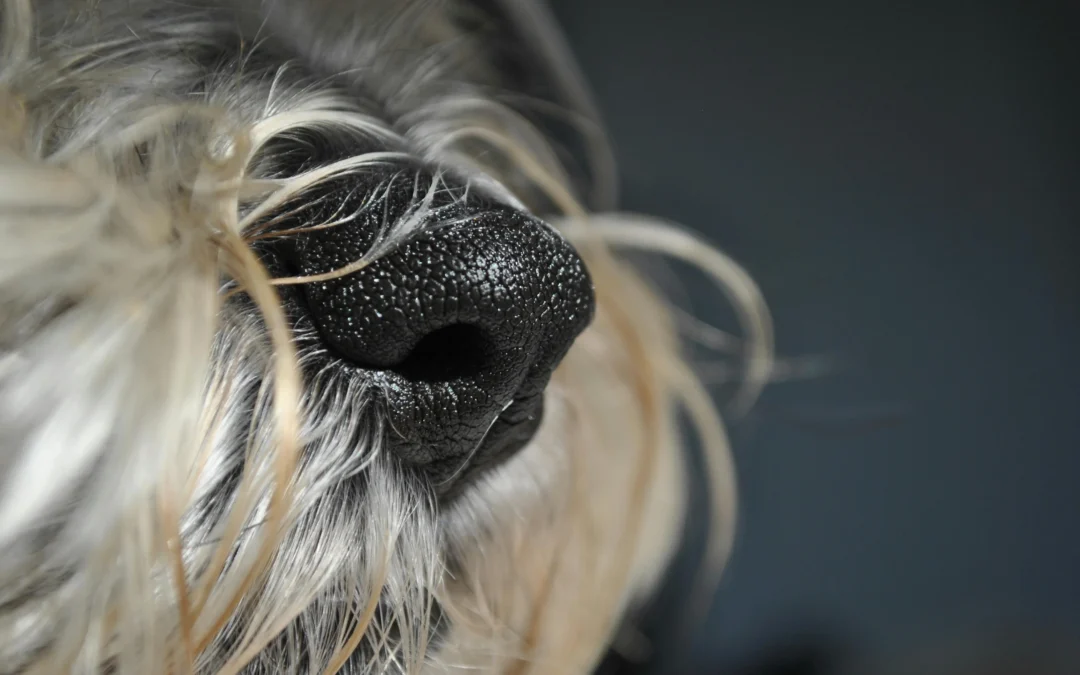
A healthy dog nose helps trap scent particles, strengthening an already powerful sense of smell. Dogs also lick their noses throughout the day, redistributing moisture and supporting temperature regulation.
Moisture levels naturally fluctuate. After sleeping, a dry nose on a dog is common because they have not been licking it. Later, after activity or hydration, that same nose may feel cool again.
That is why observations on dogs and dry noses should never be judged in isolation.
Common and Harmless Reasons for Dryness on a Dog’s Nose
Most cases of nose dryness are temporary and caused by normal, everyday factors:
Sleeping
- After naps or overnight rest, a dog’s nose may feel dry since they aren’t licking it while asleep.
Weather Changes
- Cold air, wind, sun exposure, and seasonal shifts can temporarily dry out sensitive nasal tissue.
Indoor Heating in Winter
- Lower humidity levels inside the home during colder months can contribute to mild dryness.
Normal Daily Variation
- A dog’s nose naturally shifts between moist and slightly dry throughout the day, which is completely normal.
If your dog’s nose feels dry but they are eating normally, acting like themselves, and showing typical energy levels, it is usually not a cause for concern.
Why Is My Dog’s Nose Dry?
This is one of the most common questions pet parents ask.
When someone wonders, “why is my dog’s nose dry?”, the answer is usually routine fluctuation. Temperature, hydration, sleep cycles, and environment all play a role.
Dryness only becomes concerning when paired with other symptoms. Texture alone is rarely diagnostic.
When Dogs and Dry Nose Situations Need Attention
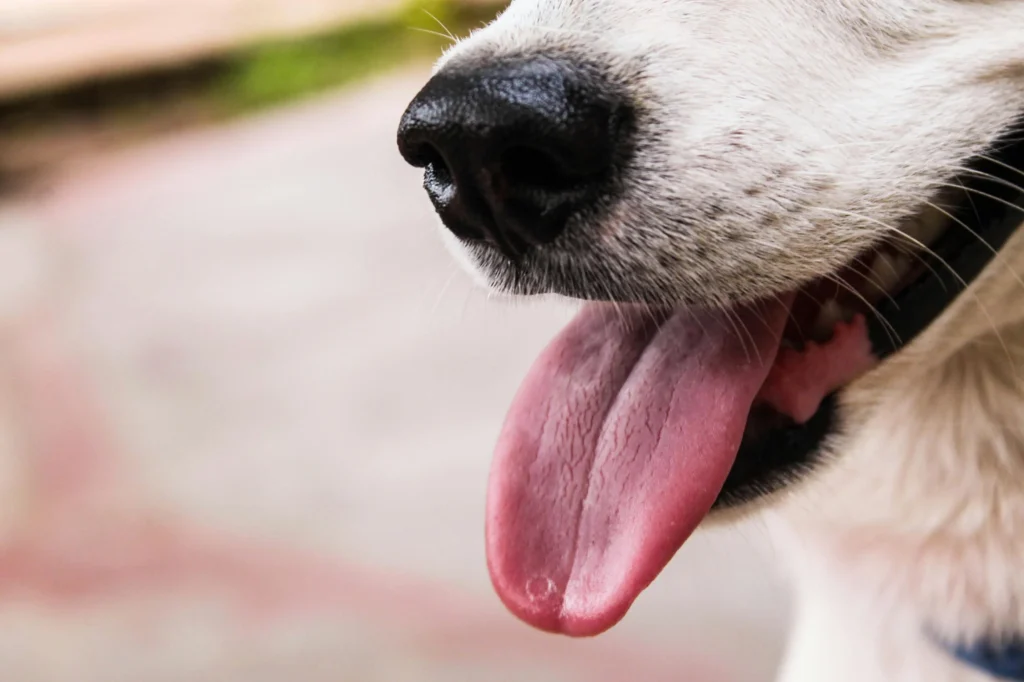
Dryness matters more when it appears alongside additional changes.
Watch for:
- Cracking or bleeding
- Thick or colored discharge
- Swelling
- Lethargy
- Appetite loss
- Vomiting or diarrhea
- Noticeable behavioral shifts
If you notice a cracked dog nose combined with discomfort, that deserves closer evaluation. Persistent cracking may indicate hyperkeratosis, infection, or immune-related issues.
This is where dog nose health becomes part of a bigger picture assessment rather than a single symptom focus.
Dog Nose Dehydration Signs Every Pet Owner Should Know
Mild dehydration can sometimes contribute to dryness. However, dryness alone does not confirm dehydration.
Look for broader dog nose dehydration signs, including:
- Tacky or sticky gums
- Reduced skin elasticity
- Lower energy
- Decreased appetite
Hydration impacts overall health far more than surface moisture.
Less Common Medical Causes of a Persistently Dry or Cracked Dog Nose
While most nose dryness is temporary and harmless, persistent cracking, thickening, or visible discomfort may point to an underlying condition.
Nasal Hyperkeratosis
- A condition where excess keratin builds up on the nose, causing thick, crusty, or rough tissue.
- It can make the nose appear hardened or uneven and may require veterinary guidance to manage safely.
Autoimmune Disorders
- Certain rare immune-related conditions can affect nose pigmentation, texture, or skin health.
- You may notice color changes, sores, or areas that appear inflamed.
Infections
- Bacterial or fungal infections may cause discharge, swelling, redness, odor, or visible discomfort.
- Dogs may lick, paw at, or rub their nose more than usual.
These causes are uncommon. In many cases, changes in behavior — such as lethargy, reduced appetite, or visible irritation — appear before nose texture becomes severely affected.
Seasonal Dryness in Colder Climates
In regions with long winters, indoor heating significantly lowers humidity levels, which can dry out sensitive nasal tissue — even in otherwise healthy dogs.
You can help minimize seasonal dryness by:
- Providing constant access to fresh water
- Using a humidifier indoors during winter months
- Applying a veterinarian-approved nose balm if mild cracking develops
- Limiting prolonged exposure to cold wind
Summer heat and extended sun exposure can also temporarily dry the nose.
In most cases, simple environmental adjustments resolve mild seasonal dryness without medical intervention.
Should You Use Nose Balm For Your Dog’s Dry Nose?
If your dog’s nose appears cracked, peeling, or mildly irritated, a veterinarian-approved nose balm can help soothe and protect the surface.
Nose balm may be appropriate when you notice:
- Visible dryness with light flaking
- Small surface cracks
- Rough or thickened texture
- Mild sensitivity without other symptoms
Choose products specifically formulated for dogs. Avoid human lotions, petroleum-based products, essential oils, or medicated creams unless your veterinarian recommends them, as some ingredients can irritate sensitive tissue or be harmful if ingested.
If dryness is severe, bleeding, spreading, accompanied by discharge, or not improving despite environmental adjustments, consult your veterinarian before attempting further treatment.
Mild dryness often improves with simple hydration and humidity support, so balm is typically a supportive measure — not a cure for underlying medical conditions.
Why Changes in Behavior Matter More Than Nose Texture
A wet nose does not automatically mean a dog is healthy, and a dry nose does not automatically mean something is wrong.
Nose moisture naturally fluctuates throughout the day and is not a reliable standalone health indicator. Behavioral changes are often the first and most important sign that something may need attention.
Pay attention if your dog:
- Becomes less playful or unusually lethargic
- Withdraws from interaction
- Refuses food or water
- Pants excessively or breathes differently
- Licks, paws at, or rubs their nose repeatedly
If your dog’s energy, appetite, and mood remain normal, mild dryness is usually not concerning.
Nose texture is a small detail. Overall behavior provides the clearest picture of your dog’s health.
When to Monitor a Dry Dog Nose vs. Call Your Veterinarian
If you notice dryness, use this quick checklist to assess whether it’s likely harmless or worth a closer look:
Ask yourself:
- Is my dog eating normally?
- Are energy levels consistent with their usual behavior?
- Is water intake steady?
- Do the gums feel moist and healthy (not dry or tacky)?
- Is breathing normal?
- Is overall behavior typical?
If the answer to all of these is yes, mild nose dryness can usually be monitored calmly at home.
If you notice multiple changes — especially lethargy, refusal to eat, vomiting, diarrhea, discharge from the nose, or visible discomfort — contact your veterinarian for guidance.
Frequently Asked Questions About Dogs and Dry Nose
Is a dry nose on a dog always a sign of illness?
No. Temporary dryness is common and often caused by sleep, weather, or normal daily fluctuation. A dry nose alone is rarely a reliable sign of illness unless it appears alongside other symptoms.
Why is my dog’s nose dry but they seem fine?
If your dog’s nose is dry but acting normal, they are likely experiencing a natural change due to sleep, indoor heating, sun exposure, or mild environmental dryness. If energy, appetite, and behavior remain typical, it is usually not concerning.
What are dog nose dehydration signs I should watch for?
More reliable dehydration signs include sticky or dry gums, reduced energy, decreased appetite, sunken eyes, and changes in urination. Nose moisture alone is not a dependable indicator of hydration status.
When should I worry about dry dog nose symptoms?
Concern increases if dryness is persistent, severely cracked, bleeding, or accompanied by discharge, swelling, lethargy, vomiting, diarrhea, or noticeable behavioral changes.
Does DogPlay monitor overall dog health during daycare?
Yes. While nose moisture alone is rarely significant, DogPlay staff monitor behavior, appetite, energy levels, and physical condition throughout the day and communicate promptly if anything seems unusual.
The Value of Structured Daycare in Early Health Awareness
Subtle changes in a dog’s health are often easier to detect through consistent, daily observation.
Busy schedules can make gradual shifts harder to spot at home. In a structured daycare environment, trained caregivers see your dog regularly and recognize patterns in:
- Energy levels
- Social interaction
- Appetite
- Engagement in play
- Overall demeanor
Because staff observe your dog consistently, even small differences from their usual behavior are easier to identify and communicate early.
At DogPlay, team members monitor overall well-being throughout the day and keep owners informed if anything feels out of the ordinary. That familiarity adds an extra layer of awareness — and reassurance.
If you’re looking for a dog daycare in Vancouver where your dog is not only exercised and socialized but attentively observed, DogPlay provides daily structure, stimulation, and informed care.
You can start with a trial day to see how your dog adjusts to the environment and experience the difference firsthand.
Peace of mind comes from consistent observation and trusted communication.