
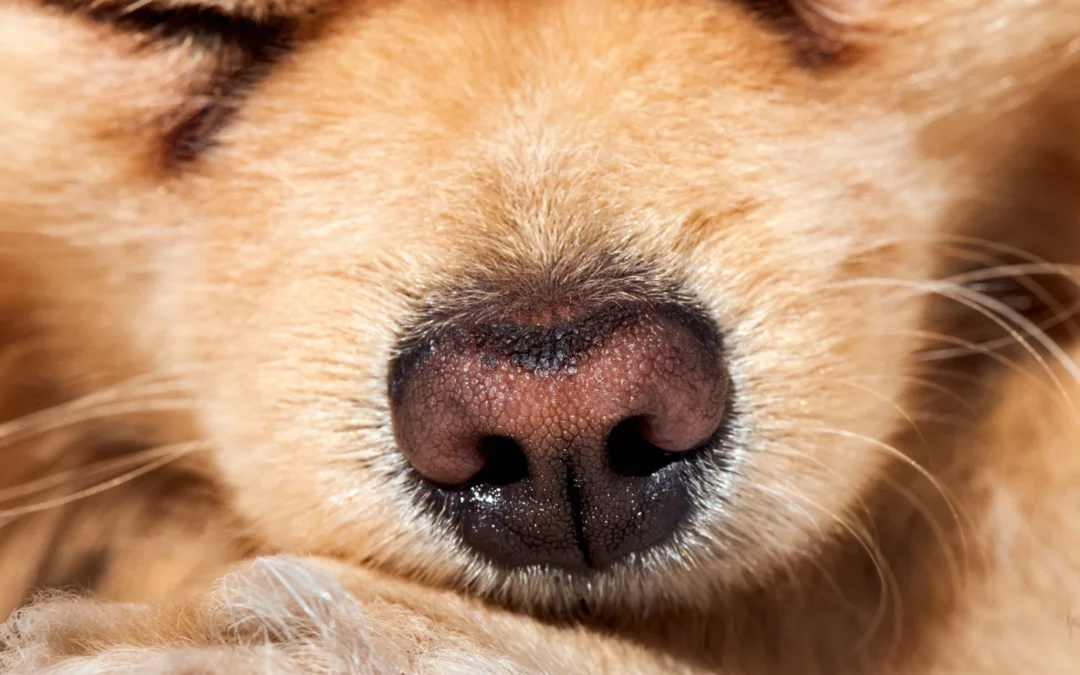
Why Do Dogs Have Whiskers? A Quick Breakdown
- Dog whiskers are specialized sensory hairs that help dogs judge distance, detect movement, and navigate their surroundings safely.
- Whiskers respond to air currents and vibrations, giving dogs important environmental information before physical contact happens.
- Because whiskers are highly sensitive, they play a role in confidence, balance, and comfort—especially in low light or busy spaces.
- Trimming or removing whiskers can temporarily disrupt a dog’s spatial awareness and increase hesitation or stress.
- Understanding why dogs have whiskers helps dog parents make better decisions around grooming, handling, and daily care.
It’s easy to overlook dog whiskers as just another facial feature, but they play a major role in how dogs move through the world. Whiskers help dogs judge distance, avoid obstacles, and feel secure in unfamiliar or busy environments. They support everything from confident movement to quick reflexes, especially in low light or close quarters. Understanding why do dogs have whiskers helps dog parents make smarter choices around grooming, handling, and daily care. At DogPlay, this kind of attention to canine behaviour shapes how dogs are cared for during daycare, boarding, and grooming—so they feel safe, comfortable, and supported, just like they would at home.
What Are Dog Whiskers And What Do They Do?
Dog whiskers are specialized sensory hairs called vibrissae that grow in specific areas of the face—above the eyes, along the muzzle, on the cheeks, and under the chin. Unlike regular fur, whiskers are thicker, rooted deeper in the skin, and connected to complex sensory systems. This design explains what do dog whiskers do and why their role goes far beyond appearance.
Dog whiskers function as early-detection tools. When a dog moves, whiskers respond to air currents and vibrations, sending information to the brain about the size, shape, and distance of nearby objects. This allows dogs to understand what’s around them without needing to make physical contact first. It’s also a key part of how dog whiskers work, especially in dynamic environments like play areas, hallways, or boarding suites.
Are Dog Whiskers Sensitive?
Yes, dog whiskers are sensitive. Whiskers themselves aren’t nerves, but the follicles are surrounded by dense dog whisker nerve endings that communicate directly with the brain. Even the slightest bend or vibration sends sensory information that helps a dog react quickly. This sensitivity matters during social play, rest time, and transitions between spaces, which is why environments that respect sensory input, such as a dog daycare in Vancouver, can help dogs feel calmer and more confident.
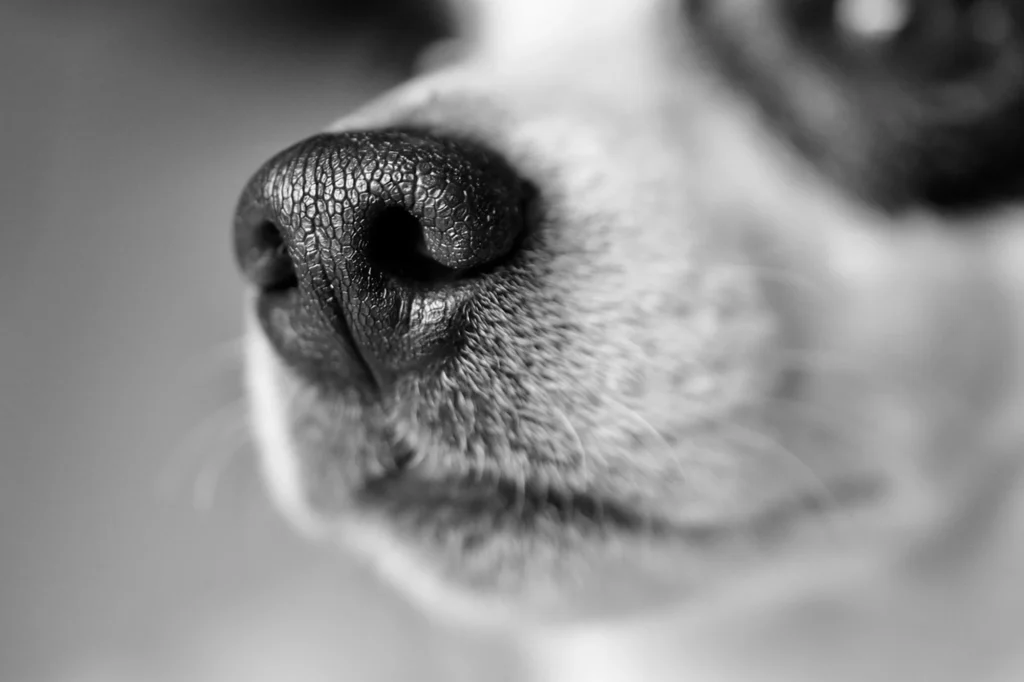
Should You Cut Dog Whiskers?
No — trimming whiskers doesn’t cause pain, but it does remove valuable sensory input that dogs rely on to move comfortably and safely. Whiskers are not a grooming preference, they’re a functional part of how dogs experience the world. Responsible grooming practices leave whiskers intact, focusing on cleanliness and comfort rather than cosmetic changes.
What Happens If You Cut Off A Dog’s Whiskers?
When people ask what happens if you cut dog whiskers, the effects are usually subtle but real. Dogs may move more cautiously, misjudge distances, or seem less confident, particularly in unfamiliar settings. While whiskers will grow back over time, trimming them can temporarily interfere with how a dog interprets their surroundings.
Can A Dog Walk Without Whiskers?
Technically, can a dog walk without whiskers? Yes. But walking isn’t the same as navigating comfortably. Without whiskers, dogs lose a layer of environmental feedback that helps them avoid obstacles and assess space. This can matter most for puppies, senior dogs, or dogs spending time in stimulating places like group play or overnight boarding.
Dangers Of Removing Dog Whiskers
Removing whiskers entirely increases stress and uncertainty. Dogs may hesitate more in dim light, react slower to nearby movement, or struggle with spatial awareness. This is why many animal welfare professionals view whisker removal as a functional loss rather than a cosmetic choice. Environments designed around dog behavior, like thoughtfully structured daycare and boarding spaces, take these sensory needs seriously.
Do Dog Whiskers Fall Out?
Do dog whiskers fall out naturally? They can. Whiskers shed just like other hair, and occasional loss is normal. Consistent or excessive whisker loss, however, may signal underlying issues like stress, skin conditions, or health concerns, and should be discussed with a veterinarian.
Book Care At DogPlay And Give Your Dog A Safe, Supervised Space To Play And Rest
Understanding small details like whiskers reflects a bigger commitment to thoughtful dog care. At DogPlay, dogs are supported in environments that respect their sensory needs, with trained staff on-site 24/7 and daycare, grooming, and overnight care all under one roof near YVR. From Burnaby Dog Daycare to all over the Fraser Valley, we have you covered! If you’d like to keep learning more about your dog and how to care for them with confidence, explore our blog for dog-parent–friendly resources—and when you’re ready, book a trial day at DogPlay to see the difference thoughtful care can make.