
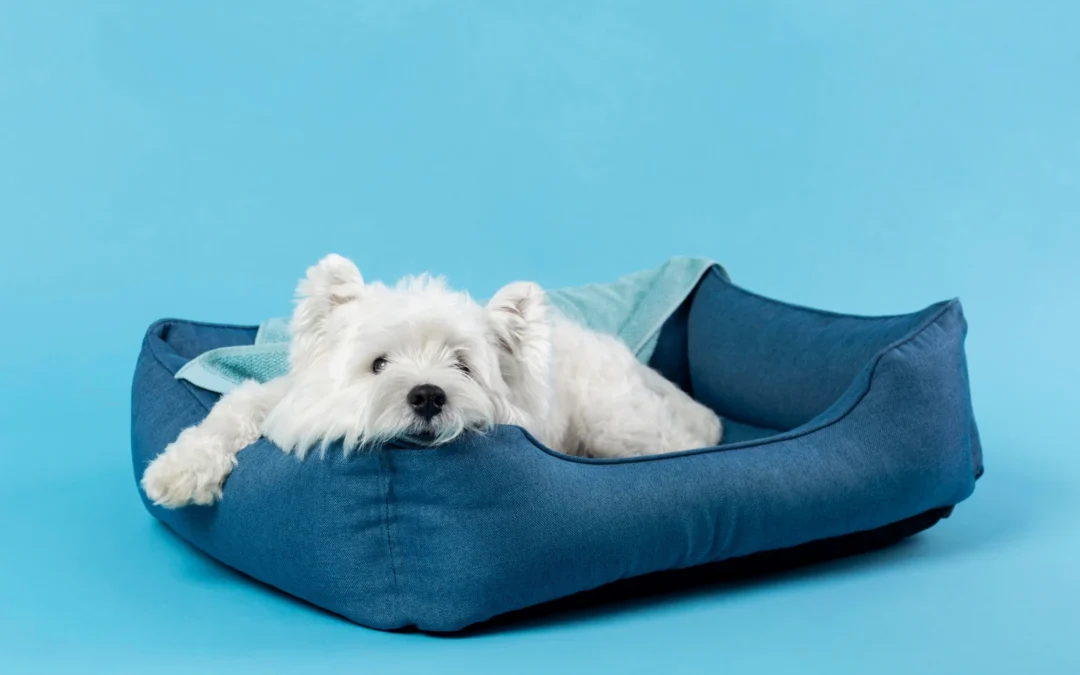
Quick Summary On Dog Bed Essentials And Why The Right Dog Bed Matters
- The right dog bed supports joint health, muscle recovery, and emotional comfort, helping dogs sleep more deeply and move more easily day to day.
- Choosing the best dog bed depends on your dog’s size, age, and sleep style—not appearance or trends.
- Puppies, adult dogs, and senior dogs all have different needs, from washability and durability to low-profile, joint-friendly support.
- Bed type, materials, and features like orthopedic support, breathability, and easy cleaning all affect long-term comfort and usability.
- Proper placement of a dog bed in a quiet, predictable space can improve rest quality and help dogs settle more quickly.
Choosing the right dog bed isn’t about trends, price tags, or matching your décor. It’s about how your dog actually rests, recovers, and feels safe at the end of the day. Dogs spend more hours sleeping than we do, and the surface they sleep on directly affects joint health, muscle recovery, stress levels, and long-term comfort. The wrong bed can lead to restless nights, stiffness, and dogs constantly shifting to couches or floors in search of relief.
At DogPlay, we see the difference proper rest makes every single day. Dogs come in for full days of play, socialization, and enrichment, then settle into deep, relaxed sleep when their bodies are supported properly. The same principle applies at home. This guide breaks down exactly how to choose the best dog bed for your dog’s size, age, sleep style, and lifestyle.
How To Choose The Best Dog Bed For Your Dog Based On Size, Age, And Sleep Style
The most common mistake dog parents make is buying a bed based on appearance instead of function. The right dog bed should match how your dog’s body moves, how they sleep, and where they are in life.
Choosing A Dog Bed For Small, Medium, And Large Dogs
Size determines how well a bed supports your dog’s spine and joints. A dog bed for small dogs should feel cozy without being restrictive, giving smaller bodies warmth and security. A dog bed for medium dogs needs enough surface area for repositioning throughout the night without collapsing under weight. A dog bed for large dogs must provide thicker support to prevent pressure points, especially in shoulders and hips.
A large dog bed that’s too thin will flatten quickly and force joints against hard floors. Larger dogs also tend to stretch fully when they sleep, which means sizing up—rather than squeezing into the minimum recommended size—often leads to better rest and less joint strain over time.
Dog Beds For Puppies, Adult Dogs, And Senior Dogs

A dog bed for puppies should prioritize washability and durability above all else. Accidents are common during training, chewing phases come and go, and beds tend to get dragged, nested in, and tested. Removable covers, waterproof liners, and materials that can handle frequent washing matter far more at this stage than plushness or aesthetics.
Adult dogs benefit from balanced support that allows their muscles and joints to recover comfortably overnight. As activity levels increase with age and routine, a bed that maintains its shape and provides consistent cushioning helps prevent stiffness and supports deeper, uninterrupted sleep.
A dog bed for senior dogs should reduce joint strain and make daily movement easier. Beds that sit closer to the ground are often more comfortable for aging dogs, as they require less effort to step on and off and place less pressure on hips and knees. Dogs with arthritis or mobility challenges do best on a bed for dogs with arthritis that offers steady support without sinking too deeply, helping joints stay aligned while remaining easy to access. A truly supportive dog bed can make a noticeable difference in comfort, mobility, and independence as dogs age.
Matching A Dog Bed To How Your Dog Sleeps
Dogs sleep in patterns. Curlers tuck into themselves. Sprawlers stretch flat. Nesters lean against edges. Matching bed shape to sleep style improves rest quality and reduces nighttime repositioning. Many dogs shift positions more once their bodies fully relax.
Dog Bed Types And Materials Explained
Understanding construction helps you choose function over marketing.
Orthopedic And Memory Foam Dog Beds
An orthopedic dog bed distributes weight evenly and reduces stress on joints. A memory foam dog bed contours to the body, offering pressure relief for dogs that experience stiffness or soreness. These beds aren’t just for seniors—highly active dogs benefit from orthopedic support as well, especially after long days of movement and play.
Bolster, Donut, Flat, And Crate Dog Beds
A bolster dog bed provides raised edges for dogs that lean or seek security. A donut dog bed creates a nest-like shape ideal for anxious or cold-seeking sleepers. A flat dog bed suits stretchers who prefer open space, while a crate dog bed offers structure and comfort for crate-trained dogs or travelers.
Common Dog Bed Fill Materials And What They Feel Like
Foam density, shredded fill, and polyfill all feel different under a dog’s body. High-density foam maintains shape longer, while softer fills feel plush but compress faster. Breathability, rebound, and durability should guide material choices, not softness alone.
Dog Bed Features That Matter In Everyday Life
Daily use separates good beds from frustrating ones.
Washable, Waterproof, And Durable Dog Beds
A washable dog bed makes hygiene manageable by allowing covers to be cleaned regularly, which helps control shedding, odors, and everyday dirt.
A waterproof dog bed protects the inner materials from accidents, spills, and moisture, preventing odors and helping the bed maintain its structure over time.
A durable dog bed is built to withstand daily use, including digging, circling, and frequent washing, without flattening or breaking down prematurely.
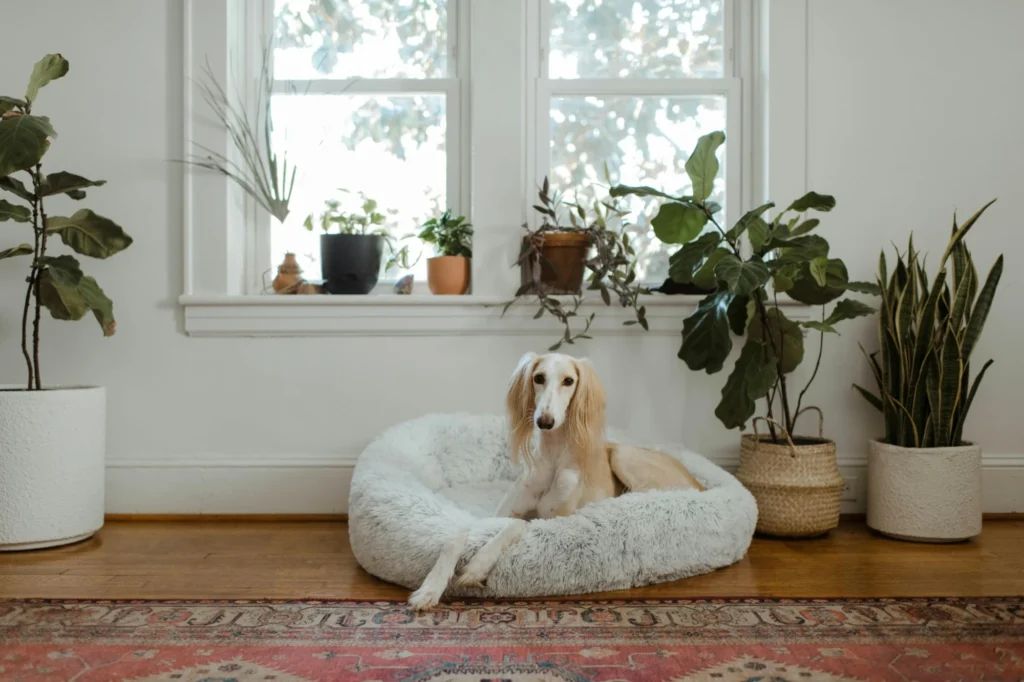
Cooling, Breathable, Elevated, And Outdoor Dog Beds
A cooling dog bed helps heat-sensitive dogs regulate body temperature by drawing heat away from the body rather than trapping it, making rest more comfortable for dogs that tend to overheat.
A breathable dog bed improves airflow by using open-cell foams, mesh panels, or woven fabrics that allow heat and moisture to dissipate instead of becoming trapped beneath the dog.
An elevated dog bed or raised dog bed keeps dogs off hard or damp surfaces by lifting the sleeping surface several inches above the ground, which can also help promote airflow underneath the bed.
An outdoor dog bed is designed to resist moisture and dirt, using materials that can be wiped clean or dry quickly without breaking down.
Where To Place A Dog Bed For Better Rest And Security
Beds placed in quiet, low-traffic areas encourage deeper rest. Dogs sleep best when they can observe without being disturbed. Predictable placement reinforces routine, which is why professional care environments like DogPlay use consistent rest zones during daycare and boarding.
Book A Trial Day At DogPlay And Support Your Dog’s Daily Rest And Routine
The right dog bed plays an important role in rest, but daily movement, mental stimulation, and routine matter just as much. At DogPlay, dogs spend their days playing, socializing, and settling into calm rest periods, supported by experienced staff who understand how activity and recovery work together. For dog parents looking for a trusted dog daycare in Vancouver, DogPlay offers daycare, boarding, and grooming in one place, helping dogs stay active during the day and relaxed at night.
If you’re curious whether it’s a good fit for your dog, you can register for a trial day and see how structured play and proper rest support overall well-being. And if you’re looking for more practical tips on caring for your dog at home, you can also browse the DogPlay blog for additional guidance.
Looking for more size-specific guidance for your dog? You may also find this helpful: